

Luxury cuisine often hides a surprising past. Many dishes now celebrated in fine dining circles across Ireland and beyond began as cheap survival food, eaten by labourers, prisoners, or farming families who had little else. This history of luxury dining reveals how status, scarcity, and clever reinvention can transform humble ingredients into coveted plates.
How poverty food became luxury dining
The journey from necessity to indulgence usually follows the same pattern: abundance makes a food seem ordinary, then scarcity, restaurant culture, and elite endorsement raise its profile. In today’s luxury dining scene, that shift is easy to spot in several famous examples:
- Polenta moved from peasant cornmeal to a rich restaurant staple finished with butter, cream, and Parmesan.
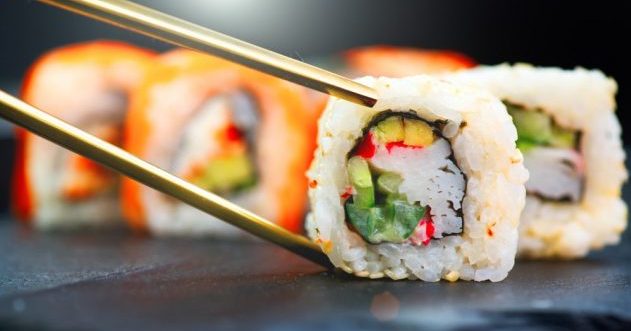
- Sushi evolved from preserved fish and quick street food into precision-led omakase.
- Escargot went from famine protein to a French classic elevated by garlic butter and theatrical service.
- Quinoa changed from a marginalised Andean staple into a premium health ingredient.
- Caviar shifted from a common salty snack to one of the world’s most expensive bites.
From working-class staples to restaurant prestige in Ireland
For readers interested in Ireland, the pattern feels familiar. High-end menus in Dublin and other food-forward destinations often celebrate ingredients with modest roots, presenting them through craft, provenance, and storytelling. That is exactly how luxury dining works: context changes value as much as flavour does.
The best-known transformations
Few examples are more dramatic than oysters and lobster. Both were once plentiful, cheap, and widely eaten by ordinary workers. Overfishing, pollution, and changing tastes turned them into premium seafood. Bouillabaisse, too, started as a fisherman’s scrap stew before becoming a signature dish associated with destination restaurants and culinary tradition.
Why these dishes still matter
These foods remind us that prestige in the kitchen is never fixed. In luxury kitchens and luxury restaurants, yesterday’s ration can become tomorrow’s indulgence when chefs reinterpret it with technique and narrative.
The real takeaway is simple: luxury dining is often built on humble beginnings. For diners in Ireland, that makes every refined plate a little more interesting—and every so-called delicacy a story of reinvention.