Monaco Parcel Bombing Shakes a Luxury Enclave: What the Attack Means for Security in Elite Residential Design
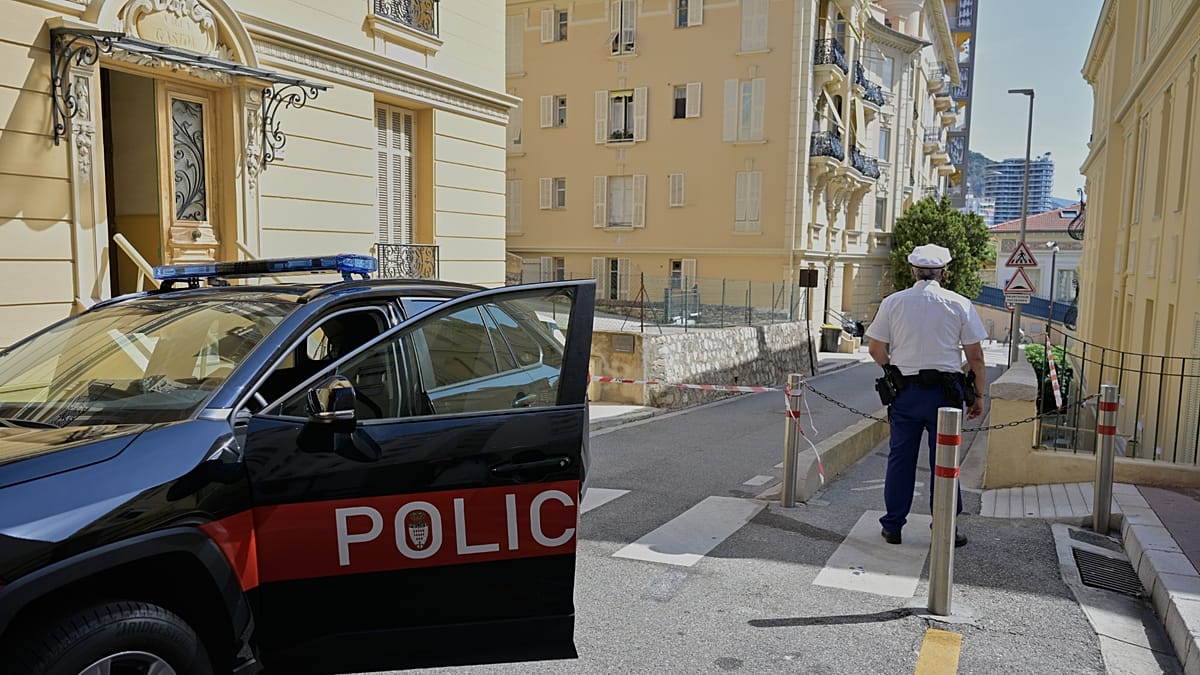
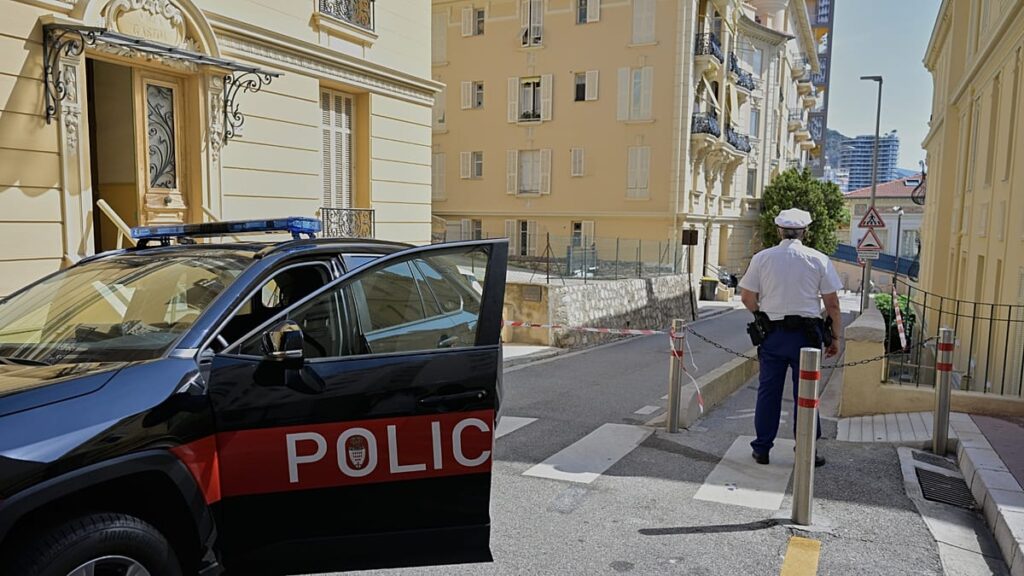
Few places project exclusivity quite like Monaco, where prestige real estate, ultra-prime apartments, and discreet coastal living define the built environment. That image was jolted this week after a Monaco parcel bombing at the entrance of an apartment building left three people injured, raising urgent questions about how security is designed into luxury architecture, luxury interiors, and high-net-worth residential spaces.
According to prosecutors in Monaco, a suspect has now been identified and an arrest warrant issued, with an Interpol Red Notice to follow. Authorities are treating the explosion as an attempted assassination. While investigators continue to analyse the device and establish motive, the incident has already become a stark reminder that even the world’s most protected luxury addresses are not immune to targeted violence.
Monaco Parcel Bombing: What Happened
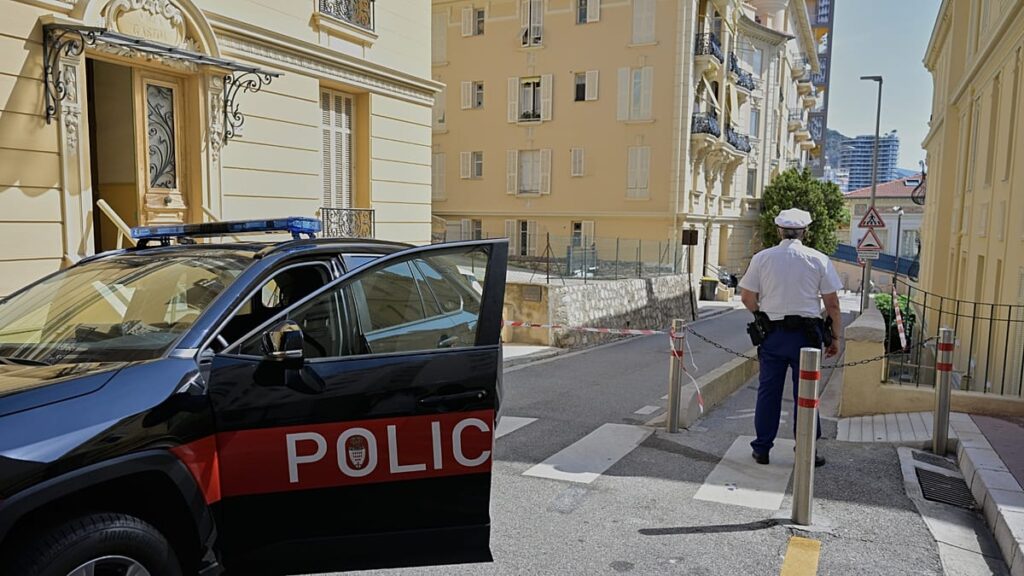
The Monaco parcel bombing took place late Monday at the entrance of an apartment building in the principality. Prosecutors said the victims appeared to have been specifically targeted. Three people were hurt, including a woman and a child, while one victim remains in critical condition and has not yet been questioned.
Media reports identified one of the injured as Vadym Yermolaiev, a Ukraine-born multi-millionaire who was sanctioned by Ukraine in 2023 over alleged ties to Russia. He has previously said he renounced Ukrainian citizenship years ago. Officials have not publicly confirmed the identities of the victims, but the case has attracted intense international attention because of Monaco’s global profile as a destination for wealth, privacy, and luxury property investment.
Authorities briefly detained and later released one individual during the investigation, saying further checks were required. Prosecutors then announced that a suspect had been identified, describing the individual as a foreign national. French authorities are also assisting the probe, underscoring the cross-border complexity often involved in high-profile attacks in the region.
Why the Attack Resonates in Luxury Architecture
The Monaco parcel bombing is not only a criminal investigation; it is also a design and security story. In elite residential markets such as Monaco, architecture is expected to deliver beauty, privacy, and seamless service. Increasingly, it must also provide layers of unobtrusive protection.
Luxury architecture in Monaco typically emphasizes:
- Controlled building access and private lobbies
- Concierge-managed visitor screening
- Integrated surveillance systems
- Secure parking and service entrances
- Discreet circulation between public and private zones
When an attack occurs at a building entrance, it highlights one of the most vulnerable points in any residential design scheme: the threshold between the public realm and the private sanctuary. For architects, developers, and interior designers working at the top end of the market, that threshold is now under sharper scrutiny.
The New Importance of Entrance Security
High-end entry sequences are often designed to impress, using sculptural materials, dramatic lighting, and curated landscaping. But after a case like the Monaco parcel bombing, visual elegance alone is no longer enough. Entry design must now balance aesthetics with risk mitigation.
That can include:
- Package screening protocols for residential deliveries
- Blast-resistant glazing in sensitive areas
- Separated delivery and resident access points
- Smart intercom and biometric verification systems
- Real-time monitoring linked to concierge and security teams
In luxury developments, the challenge is making these measures feel invisible rather than institutional. Owners and residents expect comfort and refinement, not the atmosphere of a fortress.
How Luxury Interiors Are Adapting to Security Risks
The Monaco parcel bombing also points to a wider shift in luxury interiors. Security is no longer limited to guards and cameras; it is becoming part of the interior planning brief from the start.
Designers are increasingly asked to consider how an apartment or penthouse functions during an emergency, without compromising the serene experience that premium clients demand. In practical terms, that can mean integrating protected safe rooms, reinforced internal doors, private lifts, and secure communication systems into residences that still look polished and inviting.
Discreet Design, Stronger Protection
Today’s luxury interiors often conceal advanced infrastructure behind natural stone, lacquered millwork, acoustic wall panels, and custom metal detailing. This allows residences to maintain a calm, sophisticated visual identity while improving resilience.
Common security-led interior upgrades include:
- Concealed access control systems
- Impact-resistant glazing with premium finishes
- Sound-insulated secure rooms
- Redundant power and communications for emergencies
- Private circulation routes for residents and staff
For the luxury design world, this is an important evolution: security features are becoming as fundamental as wellness spaces, bespoke kitchens, and panoramic terraces.
Monaco’s High-End Property Market Faces a Security Reality Check
Monaco has long stood as a symbol of concentrated wealth, tax efficiency debates, and exceptional real estate values. Its compact urban fabric, waterfront glamour, and limited land supply make it one of the most exclusive residential markets in the world. That exclusivity, however, can also make it a focal point for high-profile risk.
The Monaco parcel bombing is likely to intensify conversations among developers, family offices, estate managers, and private clients about security planning in luxury residences. Buyers at the top of the market increasingly evaluate not just finishes and views, but also operational resilience.
Questions now likely to shape the market include:
- How are packages and deliveries screened?
- What security standards exist at residential entrances?
- Are concierge teams trained for suspicious-item protocols?
- How well are building systems coordinated with local authorities?
- Can protective upgrades be introduced without diminishing design value?
These concerns are especially relevant in branded residences, trophy apartments, and family compounds where privacy is a key selling point.
A Turning Point for Luxury Design Strategy
As prosecutors pursue the suspect and investigators continue to examine the explosive device, the full implications of the Monaco parcel bombing are still unfolding. Yet one lesson is already clear: in elite residential environments, security can no longer be treated as a secondary technical layer added after the design is complete.
Instead, security is becoming central to luxury architecture and luxury interiors. The most successful projects will be those that combine elegance, discretion, and protection in equal measure. In a market like Monaco, where status and safety are both paramount, that integrated approach may soon become the new gold standard.
The Monaco parcel bombing is a sobering event for one of the world’s most glamorous addresses. For architects, designers, and property stakeholders, the takeaway is unmistakable: true luxury today is not just about beauty and exclusivity, but about creating homes that are as secure as they are exceptional.