

How Geopolitical Shockwaves Influence Luxury Architecture, Design, and Interiors
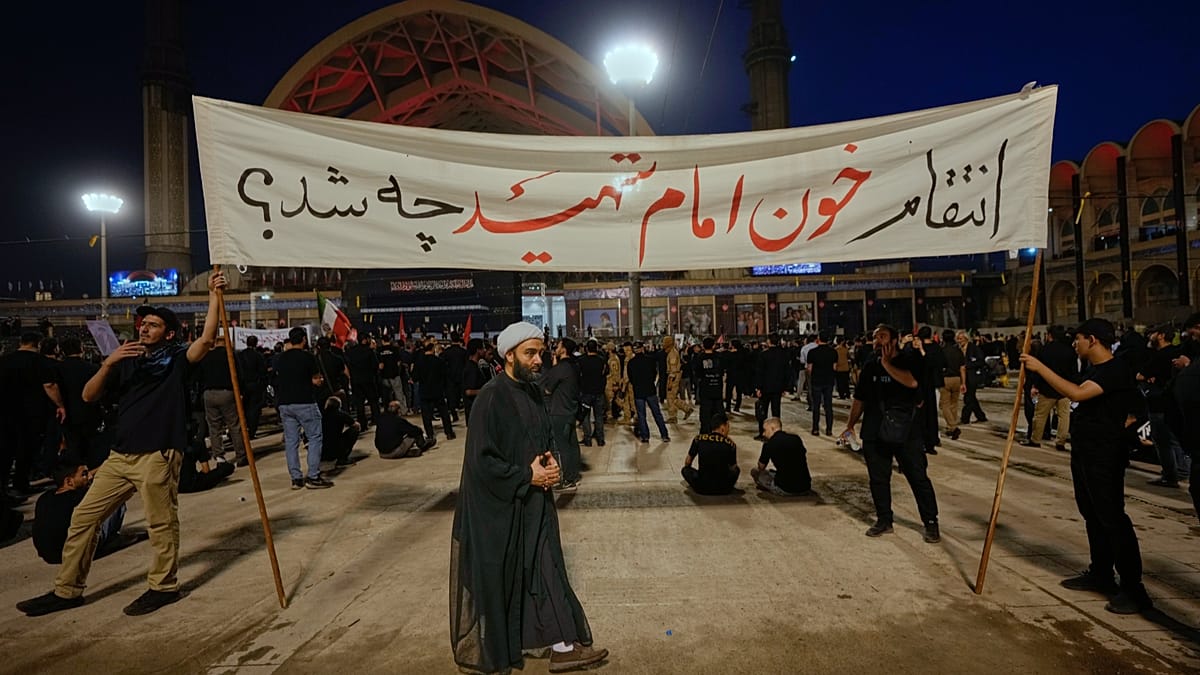
Luxury architecture does not exist in a vacuum. When global headlines turn volatile, from state funerals and diplomatic threats to public calls for retaliation, the ripple effects quickly reach the worlds of high-end real estate, luxury design, and ultra-premium interiors. Recent tensions involving Iran, the US, and inflammatory rhetoric surrounding the funeral of former Iranian Supreme Leader Ali Khamenei offer a stark reminder that geopolitical instability can reshape investor behavior, material sourcing, and the aesthetic direction of elite spaces.
For developers, designers, and wealthy buyers, the connection between global conflict and luxury architecture is no longer abstract. It influences where capital flows, how residences are secured, and which design choices communicate resilience, discretion, and permanence.
Why Luxury Architecture Responds to Global Political Tension
The luxury sector is highly sensitive to uncertainty. When international tensions rise, affluent clients often reassess location strategy, asset protection, and long-term property value. In this environment, luxury architecture becomes more than a visual statement; it becomes part of a broader risk-management strategy.
The latest escalation in rhetoric around Iran and the US, including public threats voiced during a major funeral ceremony in Tehran and counterstatements from Donald Trump, underscores how quickly geopolitical events can heighten market caution. While these developments are political in nature, their influence extends into the built environment in several ways:
- Capital preservation: Wealthy investors tend to favor stable, globally connected property markets.
- Demand for secure compounds: Privacy, surveillance integration, and controlled access become higher priorities.
- Preference for legacy assets: Trophy homes, branded residences, and architect-designed estates often gain appeal during uncertain periods.
- Flight to enduring materials: Stone, bronze, hardwood, and artisanal finishes signal longevity and stability.
In other words, luxury architecture often mirrors the mindset of its buyers: cautious, strategic, and focused on permanence.
Design Trends Shaped by Uncertainty
From Opulence to Protected Elegance
In calmer economic cycles, luxury design may lean heavily into spectacle. During moments of global instability, however, the tone often shifts toward what might be called protected elegance. This approach blends sophistication with subtle fortification.
Examples include:
- Setback entrances and concealed security gates
- Impact-resistant glass that preserves panoramic views
- Private wellness suites and self-contained amenities
- Integrated backup power, water filtration, and smart-home redundancy
- Landscaping that enhances privacy without sacrificing beauty
These features are increasingly baked into luxury architecture from the earliest planning stages, especially in regions where political uncertainty affects buyer psychology.
The Rise of Discreet Luxury Interiors
Luxury interiors are also evolving. In periods marked by conflict headlines and diplomatic strain, many high-net-worth clients move away from overt extravagance and toward quieter expressions of wealth. This means fewer flashy gestures and more emphasis on craftsmanship, acoustic comfort, tactile materials, and cocooning spaces.
Designers are responding with interiors that prioritize:
- Privacy: Layered layouts, hidden service areas, and sound-insulated rooms
- Comfort: Rich textiles, warm lighting, and calming palettes
- Resilience: Durable finishes and systems designed for continuity
- Emotional refuge: Spaces that feel secure, restorative, and deeply personal
In this sense, luxury interiors become a form of psychological architecture, helping residents feel shielded from an unpredictable world.
Supply Chains, Craftsmanship, and the Future of Luxury Architecture
Another major impact of geopolitical turmoil is pressure on global supply chains. Sanctions, transport disruptions, diplomatic breakdowns, and regional instability can delay or inflate the cost of imported stone, metals, lighting, textiles, and bespoke furnishings. For projects at the top end of the market, these disruptions can significantly influence timelines and final budgets.
As a result, luxury architecture is seeing a renewed appreciation for localized sourcing and regional craftsmanship. Rather than relying exclusively on far-flung suppliers, many firms are:
- Partnering with local artisans for millwork, plaster, and custom furniture
- Selecting domestically quarried stone or regionally available timber
- Reducing dependence on single-source international vendors
- Prioritizing timeless design over trend-driven imports
This shift can actually enhance exclusivity. Homes feel more rooted, more authentic, and less vulnerable to geopolitical bottlenecks.
What Affluent Buyers Want Now
Today’s luxury client is thinking beyond square footage and prestige alone. Security, continuity, and flexibility now sit alongside beauty and brand value. Events such as heightened US-Iran tensions remind elite buyers that homes must perform under pressure, not just photograph well.
Current buyer preferences often include:
- Residences in politically stable gateway cities
- Multi-property portfolios across jurisdictions
- Homes with wellness, security, and remote-work infrastructure
- Interiors that support long stays in comfort and privacy
- Architecture that balances openness with controlled access
That is why luxury architecture increasingly intersects with intelligence-led planning. Estate design now considers not just sunlight, views, and circulation, but also resilience, retreat, and operational independence.
Luxury Design as a Signal of Stability
At the symbolic level, luxury design has always communicated power, taste, and identity. In unsettled times, it also communicates stability. A well-crafted residence, hotel, or private retreat can project calm in the face of noise. Materials that age beautifully, layouts that support self-sufficiency, and interiors that soothe rather than overwhelm all speak to a new definition of status.
This does not mean luxury becomes minimal or defensive. Instead, the best luxury architecture now combines grandeur with intelligence. It offers serenity without fragility and prestige without unnecessary exposure.
As global politics remain volatile, this design language is likely to deepen across luxury architecture, hospitality projects, branded residences, and bespoke private homes.
Conclusion: Why Luxury Architecture Matters in Uncertain Times
The latest geopolitical tensions tied to Iran, Donald Trump, and the charged funeral atmosphere in Tehran are a reminder that global events can quickly influence how wealth is protected and expressed. In that context, luxury architecture becomes more than design; it becomes a strategic response to uncertainty.
For developers, interior designers, and high-end property buyers, the lesson is clear: the future of luxury architecture lies in combining elegance, security, resilience, and timeless value. When the world feels unstable, the most desirable spaces are the ones designed not only to impress, but to endure.