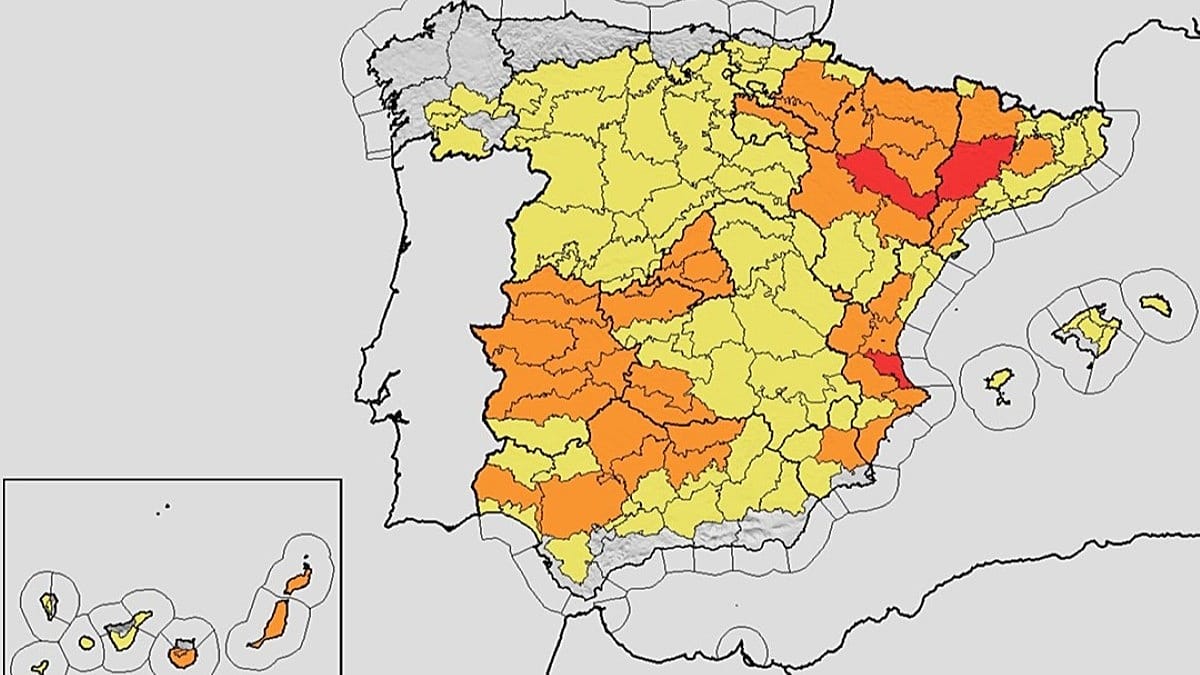
Spain is bracing for another punishing surge in temperatures, with the latest Spain heatwave expected to push parts of the country to 42–44°C through Tuesday. For the world of luxury architecture, luxury design and luxury interiors, this is more than a weather headline: it is a real-time stress test of how elite homes, villas and hospitality spaces perform under extreme heat.
As orange alerts spread across much of the mainland and the Canary Islands face elevated wildfire risk, the conversation is shifting from seasonal comfort to climate resilience. High-end properties in Spain are increasingly being judged not only by aesthetics, views and materials, but by how intelligently they handle rising temperatures, tropical nights and prolonged exposure to solar gain.
Why the Spain heatwave matters for luxury architecture
The current Spain heatwave, flagged by AEMET as the country’s second major heat event of summer 2026, is expected to hit hardest in Andalusia, the south-western river valleys, the Ebro valley and inland zones where temperatures may climb above 40°C. Even coastal and island destinations known for lifestyle appeal, including parts of the Balearics and Canaries, are facing uncomfortable highs.
For luxury architecture, this changes the brief. Homes designed primarily around openness, glass and visual drama can quickly become energy-intensive liabilities when heat becomes sustained and nighttime cooling is limited. Minimum temperatures of 20–26°C, with some areas staying even warmer overnight, mean buildings have less chance to naturally release stored heat.
That has major implications for:
- Facade design and solar control
- Insulation and thermal mass
- Natural cross-ventilation strategies
- Shading systems for terraces and glazing
- Landscape planning around wildfire and water stress
- Cooling efficiency in large-format residences
In luxury markets, buyers and investors increasingly expect homes to deliver both beauty and bioclimatic performance. The Spain heatwave highlights why passive design is no longer optional prestige detailing, but core infrastructure.
How extreme heat is reshaping luxury design priorities
From visual minimalism to climate intelligence
For years, many luxury properties in Mediterranean markets leaned into expansive glazing, double-height spaces and uninterrupted indoor-outdoor transitions. While these features remain desirable, the latest Spain heatwave underlines the need to balance visual lightness with thermal control.
Designers are now prioritising solutions such as recessed windows, brise-soleil, adjustable louvers and deep overhangs that reduce solar gain without compromising the architecture. Exterior materials are also under closer scrutiny. Light-toned stone, limewash, ceramic surfaces and heat-reflective finishes can help reduce surface temperature and improve overall comfort.
Cooling without compromising luxury
Today’s premium design challenge is to make cooling feel seamless, quiet and invisible. In a Spain heatwave, mechanical systems matter, but so does how they integrate with the experience of the space.
Top luxury design responses include:
- Zoned climate control to cool occupied areas more efficiently
- Radiant cooling systems for discreet thermal regulation
- Smart blinds and automated shading linked to sun exposure
- Ventilated facades that reduce heat absorption
- Advanced glazing with solar-control coatings
The result is a more sophisticated type of luxury: one defined not just by appearance, but by environmental performance and wellbeing.
Luxury interiors in a Spain heatwave: comfort becomes the ultimate status symbol
Inside the home, the Spain heatwave forces a rethink of what premium comfort really means. During extreme weather, interiors must remain calm, restorative and healthy, especially when hot nights make sleep and recovery more difficult.
Interior materials that work harder in high heat
Some interior choices naturally perform better in hot climates than others. Stone flooring, breathable natural textiles, shaded courtyards and high ceilings have long been staples of Mediterranean living for good reason. These elements help regulate temperature while preserving elegance.
In luxury interiors, designers are increasingly favouring:
- Linen, cotton and wool blends over heat-trapping synthetics
- Natural stone or terrazzo flooring for cooler underfoot comfort
- Layered window treatments that block heat while diffusing light
- Low-heat lighting strategies
- Muted, sun-softened palettes that visually reinforce coolness
These decisions may appear aesthetic on the surface, but in a prolonged Spain heatwave, they directly support livability.
Wellness design moves to the forefront
Extreme heat also strengthens the link between luxury interiors and wellness design. Air quality, humidity balance, acoustic calm and sleep-friendly bedroom environments become essential. Properties that include shaded spa zones, plunge pools, protected courtyards or climate-controlled dressing and sleeping suites are better positioned for both comfort and long-term value.
This matters even more as Spain faces overlapping climate pressures, including wildfire risk in areas such as Andalusia, Gran Canaria and Tenerife. In premium residential design, resilience now extends beyond cooling to include air filtration, defensible landscaping and emergency-ready systems.
What developers, architects and homeowners should watch now
With AEMET continuing to update forecasts and uncertainty lingering into midweek, the current Spain heatwave is a reminder that climate extremes are becoming an operational reality for luxury property. Whether planning a new villa, renovating a historic estate or specifying interiors for a high-end retreat, professionals should focus on adaptation as much as aspiration.
Key takeaways for the luxury sector include:
- Design for heat resilience from the earliest concept stage
- Prioritise passive cooling before relying solely on air conditioning
- Choose materials proven to perform in prolonged high temperatures
- Integrate landscaping that supports shade, fire safety and water efficiency
- View thermal comfort as a premium asset, not just a technical requirement
Spain’s current heat emergency is first and foremost a public safety issue, with authorities warning residents to stay hydrated, avoid midday sun and protect vulnerable people. But for the design world, it also sends a clear signal: luxury homes must now be beautiful, intelligent and climate-ready.
In that sense, the Spain heatwave is not just a headline. It is a benchmark for the future of luxury architecture, luxury design and luxury interiors in a hotter Mediterranean world.