

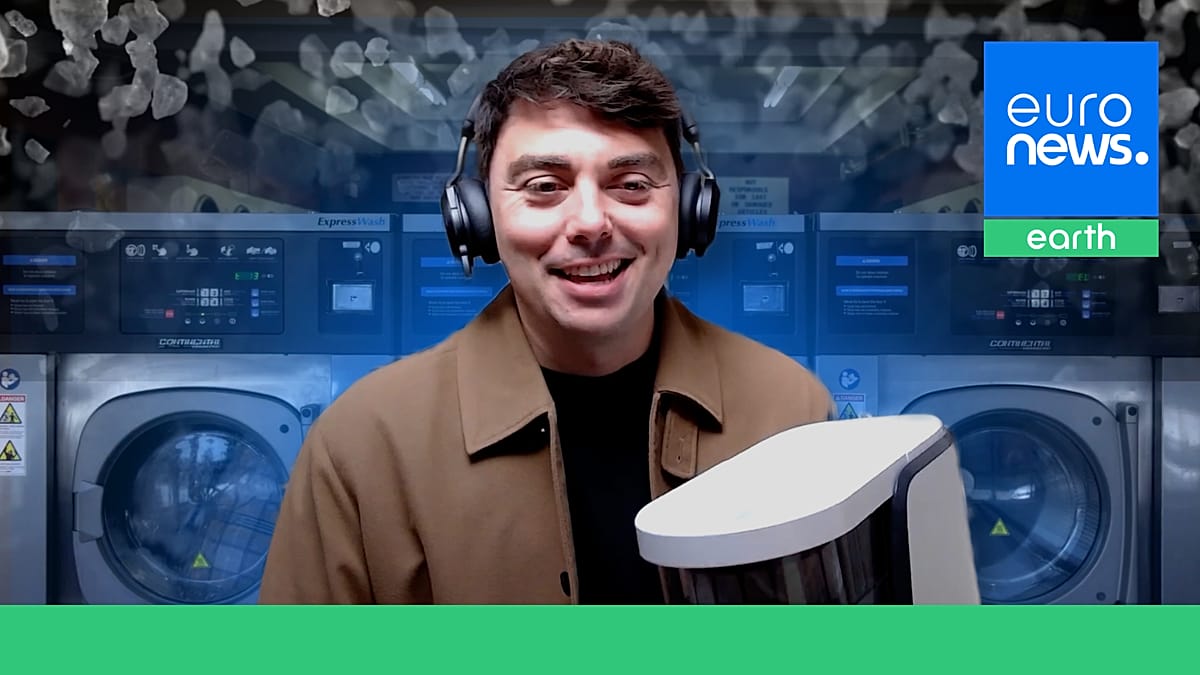
Luxury living is no longer defined by aesthetics alone. Today, the most forward-thinking homes pair exceptional design with responsible performance, and microplastic filters for washing machines are emerging as one of the smartest upgrades to watch.
As European policymakers move closer to requiring these devices on new appliances, the conversation is expanding beyond environmental circles into architecture, interiors, and product design. For homeowners, developers, and designers focused on premium residences, this is more than a technical add-on. It is a glimpse into how the next generation of utility spaces will blend sustainability, innovation, and seamless usability.
Why microplastic filters for washing machines matter in modern homes
Every laundry cycle sheds tiny synthetic fibres from clothing. Because many textiles are made from plastic-based materials, these fragments become microplastics that can pass into waterways. Standard washing machine filters are designed to catch larger debris such as coins or buttons, not particles measured in microns.
That gap has created a growing design and environmental challenge. Research cited by startup Matter suggests roughly a gram of microplastics can be released in a single wash. Scaled across millions of households, that translates into a substantial source of invisible pollution entering rivers and seas.
For luxury homes, where materials, wellness, and long-term value are increasingly central to design briefs, this issue resonates on several levels:
- Environmental stewardship: Premium properties are expected to reflect higher sustainability standards.
- Wellness-focused living: Cleaner systems support the broader movement toward healthier homes.
- Future-proof specification: Emerging EU rules may soon make filtration a practical necessity.
- Design integration: Smart utility planning is now part of high-end interior thinking.
In short, microplastic filters for washing machines are becoming relevant not only for eco-conscious consumers, but also for architects and interior designers shaping tomorrow’s luxury residences.
How the technology works
The latest generation of filtration devices is designed as a retrofit unit that connects to the back of an existing washing machine. That means homeowners do not necessarily need to replace a premium appliance suite to upgrade performance.
According to Matter, its system can capture 97 per cent of particles down to 10 microns in testing. That is a dramatic improvement over conventional built-in filters, which are simply not engineered for microscopic fibre capture.
What makes these filters appealing
- They install quickly, often in under 10 minutes.
- They work with existing machines rather than requiring a full appliance replacement.
- They include simple maintenance cues, such as an indicator light when the filter needs emptying.
- They are designed to avoid disrupting everyday laundry routines.
That ease of use matters in luxury environments, where convenience is non-negotiable. The best sustainable technologies are the ones that disappear into the background while improving performance.
The design impact on luxury interiors and utility rooms
Laundry spaces have undergone a quiet transformation in recent years. Once hidden service zones, they are now treated as fully designed rooms within high-end homes, often featuring bespoke cabinetry, natural stone surfaces, integrated lighting, and discreet appliance housing.
The rise of microplastic filters for washing machines fits squarely into this evolution. Rather than being seen as an industrial afterthought, filtration systems can be planned as part of a polished, well-resolved utility environment.
What designers should consider
- Cabinet integration: Leave adequate space behind or beside machines for retrofit devices.
- Access planning: Ensure filters can be reached easily for monthly maintenance.
- Plumbing coordination: Collaborate early with MEP consultants and installers.
- Visual discretion: Conceal technical components within millwork where possible.
- User education: Build intuitive maintenance into the home handover process.
For luxury interiors, success lies in combining technical intelligence with visual calm. If legislation accelerates adoption, well-designed homes will already be prepared.
EU regulation could change appliance design standards
One reason microplastic filters for washing machines are drawing attention is the regulatory momentum behind them. New EU legislation is expected to require all new washing machines to be sold with a microplastic filter, a shift that could reshape the appliance market across the continent.
For developers and specifiers, that has several implications:
- New residential projects may need to account for filtered laundry systems as standard.
- Appliance brands are likely to compete on filtration performance and user-friendly design.
- Retrofit demand may rise in existing homes before mandatory standards fully take effect.
- Sustainable building narratives will increasingly include laundry-related water pollution solutions.
Just as energy efficiency, water-saving fixtures, and air purification moved from niche upgrades to expected features, microplastic filtration may follow the same path in premium residential design.
What happens after the fibres are captured?
Catching microplastics is only part of the equation. The next design and sustainability challenge is disposal and reuse. At present, captured material can be sent to sealed landfill under existing EU waste rules, but innovators are already exploring circular alternatives.
Matter’s collection initiative aims to recover lint and investigate how it can be transformed into new materials. While that process is not yet fully commercial at scale, the direction is important. Luxury design increasingly values closed-loop thinking, where waste streams are reconsidered as resources.
This could eventually open the door to broader innovation in material science, textile recycling, and responsible product ecosystems connected to the home.
A new benchmark for sustainable luxury
The biggest lesson here is simple: the most influential home innovations are often the least visible. Microplastic filters for washing machines may sit behind cabinetry and out of sight, yet they speak directly to the values shaping contemporary luxury: intelligence, responsibility, and refined functionality.
For architects, interior designers, and homeowners, this is an opportunity to think beyond surface beauty. As regulation advances and awareness grows, microplastic filters for washing machines could become a defining feature of the well-designed European home: quietly elegant, highly practical, and aligned with a more sustainable future.