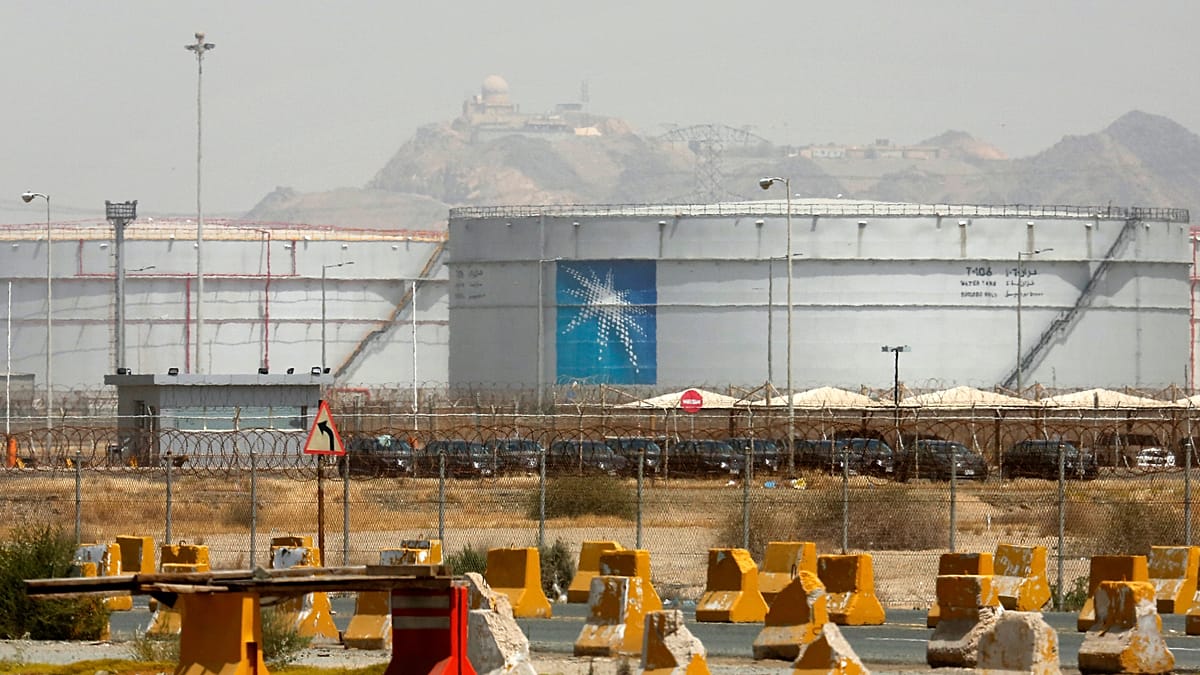
OPEC output rise may sound like a distant energy-market headline, but its ripple effects can reach deep into the world of luxury architecture, luxury design, and high-end interiors. As oil prices retreat toward pre-war levels, developers, designers, and premium homeowners may soon feel the impact through shifting material costs, transport pricing, and project planning.
The latest move by seven OPEC+ producers signals a cautious increase in supply at a moment when global crude prices are cooling. While the decision is relatively modest, it arrives against a much bigger backdrop: recovering trade through the Strait of Hormuz, easing geopolitical pressure, and a market still adjusting after months of war-related disruption. For sectors tied to global sourcing and premium construction, this is a development worth watching closely.
Why the OPEC output rise matters now
The group of seven OPEC+ countries agreed to increase combined production by 188,000 barrels per day in August. This marks the fifth straight month of incremental supply growth, continuing the gradual rollback of voluntary production cuts first announced in 2023.
The countries involved include:
- Saudi Arabia
- Russia
- Iraq
- Kuwait
- Kazakhstan
- Algeria
- Oman
Saudi Arabia and Russia are expected to contribute the largest individual additions. The stated aim is market stability, with producers emphasizing that they remain prepared to pause or reverse increases if conditions change.
What makes this OPEC output rise especially notable is timing. Brent crude has slipped below roughly $72 per barrel, while WTI hovers closer to $68, both far below the highs seen during the peak of the Iran conflict. In practical terms, the oil market has largely erased the war premium that once drove prices sharply higher.
Oil prices, geopolitics, and supply recovery
The recent decline in crude prices is not simply about added barrels. It reflects improving sentiment around regional stability and the partial normalization of shipping routes through the Strait of Hormuz, one of the world’s most critical energy corridors.
A market returning from disruption
During the conflict, official production targets did not always translate into real exports. With shipping constrained and storage filling up, Middle Eastern producers often could not move crude efficiently. That meant some of the announced supply increases existed more on paper than in physical markets.
Now, as transit conditions improve, those delayed barrels are beginning to re-enter circulation. This is one reason the OPEC output rise is having an outsized psychological effect: traders are reacting not only to new production, but to accumulated supply finally reaching buyers.
Why the recovery is still fragile
Despite the price pullback, the market is not fully healed. Commercial traffic through the Strait of Hormuz remains below pre-conflict norms, and analysts still see uncertainty ahead. Energy researchers expect Gulf oil production to take time to fully recover, potentially stretching into 2027.
That means the current OPEC output rise should be viewed as measured rather than aggressive. The alliance is signaling flexibility, not flooding the market.
How lower energy prices could influence luxury architecture
For luxury architecture firms and high-end developers, energy markets affect more than fuel invoices. Oil prices shape the cost of transportation, petrochemical-derived building products, and global logistics that support complex, design-led projects.
If the OPEC output rise helps keep crude prices contained, several areas of premium construction may benefit:
- Freight and shipping: Imported stone, bespoke fixtures, specialty glass, and custom millwork may become less expensive to move internationally.
- Material production: Products tied to petrochemicals, including insulation, sealants, certain composites, and synthetic textiles, may see softer cost pressure.
- Project forecasting: Developers working on large estates, branded residences, and ultra-luxury towers may find budgeting slightly easier in a calmer energy environment.
For architecture practices managing long timelines and globally sourced specifications, even modest energy relief can improve cost certainty.
Luxury interiors may feel the effects too
The OPEC output rise could also filter into the luxury interiors market, where shipping-heavy procurement models are common. Many premium interior schemes rely on international supply chains, from Italian furnishings and handcrafted lighting to specialty wall finishes and rare textiles.
Potential advantages for interior design projects
Luxury interior designers may see indirect benefits if lower oil prices reduce logistics volatility. This can help with:
- More predictable delivery costs for imported furnishings
- Reduced pressure on warehousing and transport budgets
- Improved pricing stability for synthetic or resin-based design elements
- Better client confidence during procurement planning
These shifts may be subtle rather than dramatic, but in large residential or hospitality projects, small cost movements across dozens of categories can add up quickly.
Where caution is still needed
Not every price will fall immediately. Premium interiors depend heavily on labor, craftsmanship, currency movements, and regional demand. A lower crude benchmark does not automatically make artisanal products cheaper. It does, however, reduce one layer of inflationary pressure.
What luxury developers and designers should watch next
The next OPEC+ meeting is scheduled for early August, and future decisions will matter just as much as this latest one. Because producers have explicitly said they can halt or reverse supply increases, the market remains highly responsive to geopolitics and shipping security.
For professionals in luxury design and construction, key indicators include:
- Brent crude price direction over the next quarter
- Recovery levels in Strait of Hormuz shipping traffic
- Supplier lead times for internationally sourced materials
- Changes in transport and freight pricing
- Broader inflation trends affecting premium residential development
In short, the OPEC output rise is part of a broader story about normalization after disruption. If oil remains near current levels, luxury architecture and interiors could gain a more stable operating environment heading into 2027.
Conclusion: a cautious energy shift with design-world implications
The latest OPEC output rise is modest, but it matters. By adding supply as crude prices fall back toward pre-war levels, OPEC+ is reinforcing a market trend that could ease pressure on transport, sourcing, and construction inputs. For luxury architecture, luxury design, and luxury interiors, that may translate into steadier budgets, smoother procurement, and more confidence in long-term project planning.
The key takeaway is simple: when oil markets stabilize, high-end design industries often benefit in quiet but meaningful ways. This OPEC output rise may not transform the luxury sector overnight, but it is an economic signal smart developers and designers should not ignore.