

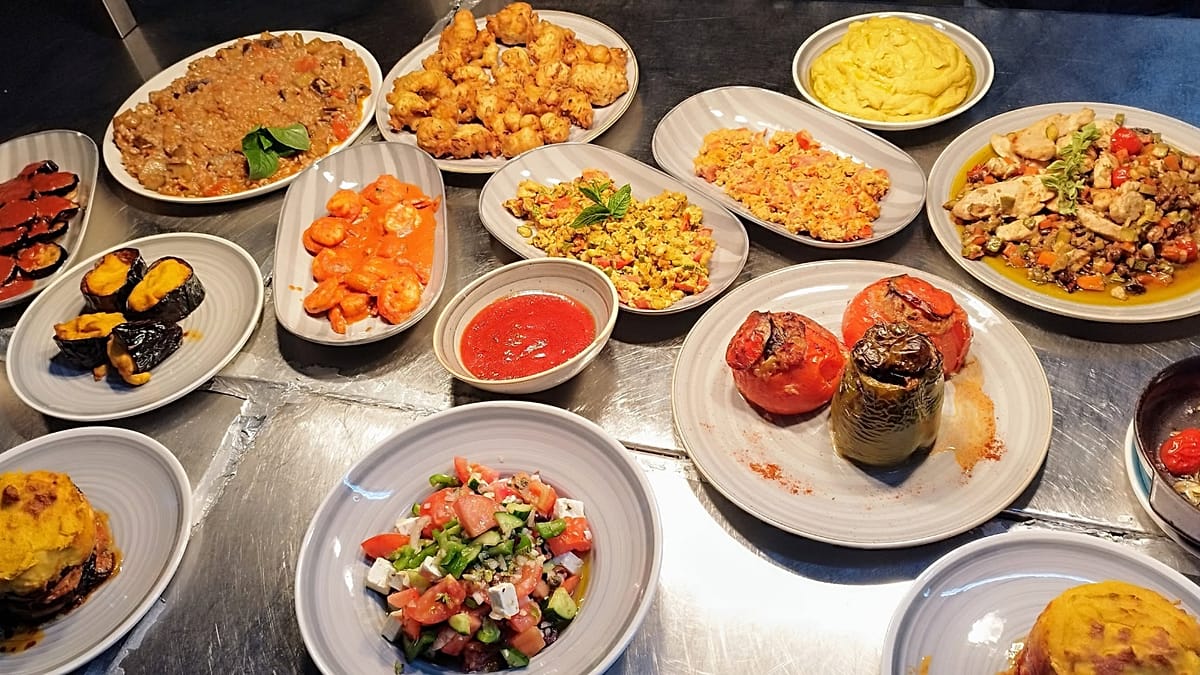
The South Aegean gastronomy 2028 bid is more than a food story—it is a blueprint for how culture, place and design can elevate luxury travel. As Greece’s celebrated island region competes for the World Region of Gastronomy 2028 title, the initiative highlights a powerful idea: exceptional destinations are built not only through scenery and hospitality, but through immersive culinary identity woven into architecture, interiors and sustainable visitor experiences.
Spread across 50 inhabited islands in the Cyclades and Dodecanese, the South Aegean is positioning its cuisine as a global marker of quality, biodiversity and refined island living. For the luxury architecture, luxury design and luxury interiors sectors, this matters. Gastronomy is increasingly shaping the way high-end resorts, private villas, boutique hotels and destination spaces are conceived—down to materials, layouts, sensory details and guest journeys.
Why the South Aegean Gastronomy 2028 Bid Matters
The South Aegean has officially entered the race for the World Region of Gastronomy 2028 distinction, awarded by the International Institute of Gastronomy, Culture, Arts and Tourism. It is the first Greek region to pursue this title, building on its earlier recognition as European Region of Gastronomy in 2019.
This new campaign is backed by a broad alliance of regional institutions, hospitality bodies, cultural groups, chefs, universities and wine producers. Their shared goal is to strengthen the international profile of the islands’ culinary heritage while connecting food with tourism, education, environmental stewardship and local enterprise.
That integrated approach is especially relevant in premium hospitality, where today’s affluent travelers are not simply booking rooms—they are seeking deeply rooted experiences. A destination that can unite local cuisine, design authenticity and ecological responsibility gains a major competitive advantage.
From Island Cuisine to Luxury Design Strategy
What makes the South Aegean gastronomy 2028 story compelling for the design world is its emphasis on total experience. Gastronomy no longer lives only on the plate. In luxury settings, it influences:
- Spatial planning for restaurants, wine rooms and open-air dining terraces
- Material palettes inspired by local stone, limewash, ceramics and timber
- Interior styling shaped by island agriculture, fishing traditions and artisanal craft
- Landscape design that incorporates herbs, vineyards and edible gardens
- Wellness concepts rooted in Mediterranean nutrition and seasonal produce
In other words, food culture becomes a design language. On islands such as Rhodes, Kos and Santorini, that language can be translated into elegant but grounded spaces that feel inseparable from their surroundings.
The Rise of Gastronomic Architecture
Luxury architecture is increasingly responding to culinary storytelling. Designers are creating pavilions for tastings, shaded courtyards for communal feasting, farm-to-table kitchens and cliffside dining environments that frame the sea as part of the meal itself. In the South Aegean, where hospitality is tied to landscape and tradition, this architectural direction feels particularly natural.
The result is a richer guest experience—one where built form, local produce and island heritage reinforce one another.
What the 2028 Action Plan Signals for Premium Hospitality
The South Aegean gastronomy 2028 roadmap reportedly includes more than 50 initiatives. These range from gastronomic routes and cultural events on individual islands to waste-reduction efforts, support for agri-food businesses and educational programs for both young people and professionals.
For luxury tourism and design stakeholders, several themes stand out:
- Curated island-to-island journeys: Gastronomic routes can inspire tailored travel itineraries, yacht hospitality concepts and multi-property resort collaborations.
- Sustainability as sophistication: Programs such as Gastro Zero Waste align with a growing luxury standard where environmental responsibility is part of premium value.
- Stronger producer relationships: Hotels and private residences can integrate local wines, cheeses, herbs, honey and seafood into both dining and design narratives.
- Educational immersion: Cooking studios, vineyard rooms and heritage kitchens can become signature interior features within high-end properties.
This is where regional strategy meets commercial opportunity. When a destination organizes its food heritage coherently, designers and developers gain a stronger cultural framework for creating memorable spaces.
South Aegean Gastronomy 2028 and the Luxury Interior Experience
In luxury interiors, authenticity is now more valuable than excess. The South Aegean gastronomy 2028 vision supports a style of interiors that is tactile, local and quietly refined rather than generic or overly ornamental.
Design cues that align naturally with this regional identity include:
- Handmade ceramics in muted Aegean tones
- Linen textiles inspired by sun, salt and wind
- Stone counters and plaster walls that echo island vernacular architecture
- Display shelving for olive oil, wine, herbs and artisanal pantry goods
- Custom lighting that recreates the soft glow of evening tavernas and harbors
These gestures allow interiors to reflect the spirit of the islands without becoming theme-driven. For luxury brands, that balance is essential: guests want a strong sense of place, but presented with elegance and restraint.
A Model Rooted in Sustainable Luxury
Regional leaders have framed the bid around innovation, environmental protection and sustainable development. That positioning aligns with a broader shift in global luxury, where prestige is increasingly tied to provenance, conservation and meaningful local connection.
In practical terms, this could influence how future projects in the South Aegean are briefed and built, with greater attention to:
- Low-waste food service design
- Energy-conscious kitchens and hospitality operations
- Partnerships with local growers and winemakers
- Adaptive reuse of traditional buildings for culinary and cultural purposes
- Programming that preserves intangible heritage alongside physical design
That combination of heritage and innovation is exactly what many high-end travelers now expect from elite destinations.
A New Benchmark for Island Living
The South Aegean’s ambition is not merely to win an international title. It is to become a benchmark for island gastronomy and sustainable destination development. If successful, the South Aegean gastronomy 2028 campaign could influence how luxury destinations worldwide integrate culinary culture into their architecture, interiors and tourism planning.
For Greece, the bid also reinforces the enduring appeal of its islands—not only as postcard-perfect escapes, but as sophisticated ecosystems of taste, craftsmanship and design intelligence. In an era when luxury depends on authenticity, that may be the region’s greatest advantage.
The clear takeaway is this: the South Aegean gastronomy 2028 movement shows that food can shape far more than menus. It can guide how destinations are designed, experienced and remembered, making gastronomy a defining force in the future of luxury travel.