Ireland Travel Meets Reality: Why Galway’s Sky-High Rents Matter for Luxury Visitors
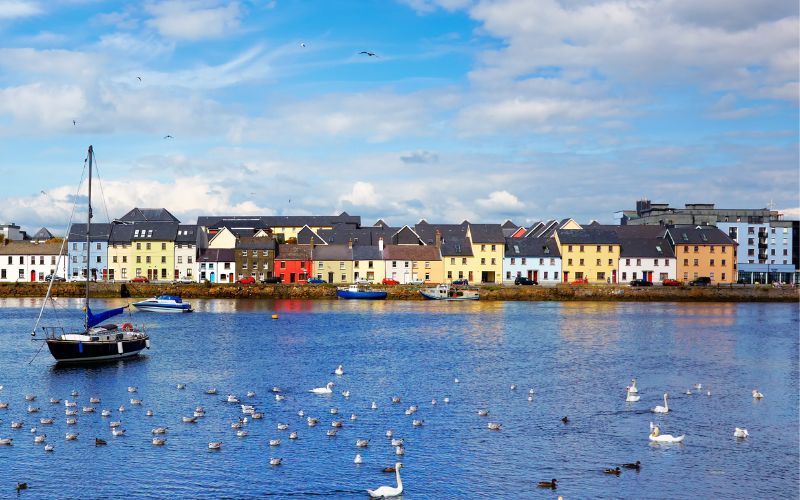
Ireland Travel often conjures images of elegant manor stays, coastal drives, and lively city breaks, but behind the postcard views lies a growing housing affordability story. Galway, one of Ireland’s most beloved destinations, has now emerged as the country’s least affordable city for renters, a shift that says as much about modern urban Ireland as it does about the pressures facing locals and visitors alike.
For travelers planning an upscale Irish escape, this matters more than it first appears. Rising rents influence hotel pricing, long-stay apartment availability, staffing in hospitality, and the overall cost of experiencing cities such as Galway, Dublin, and Cork. In short, understanding the housing backdrop can help luxury travelers make smarter, more informed choices when designing an itinerary.
Galway’s Rental Crisis and What It Reveals About Ireland Travel
According to recent figures, the average monthly rent for a one-bedroom apartment in Galway city centre reached €2,100. Measured against an average after-tax salary of €2,701, that means rent consumes roughly 77.8% of net income. For many residents, just €601 remains after paying housing costs, highlighting a severe affordability crunch in a city famed for culture, food, and Atlantic charm.
Galway’s ranking places it ahead of many major European cities in terms of proportional rental pressure. That is striking when you consider the city’s relatively small size compared with capitals such as London, Paris, or Rome. While Galway remains a jewel of Ireland Travel, the economics of living there are becoming increasingly difficult for workers, including many employed in tourism, dining, and accommodation.
For luxury travelers, that creates a knock-on effect. When local housing becomes scarce and expensive, businesses often face higher staffing costs, recruitment challenges, and upward pressure on room rates. Premium experiences can remain excellent, but the market supporting them becomes more strained.
How Dublin and Cork Compare
Galway may top the affordability pressure list, but it is far from alone. Dublin continues to carry some of the highest accommodation costs in the country, with city-centre one-bedroom rents averaging €2,142 per month. That takes about 61.7% of a typical net monthly salary, leaving a resident with €1,328 after rent.
Cork appears more manageable by comparison, with average city-centre rents around €1,682. Even so, housing still takes a large share of income, proving that affordability is not just a capital-city issue. Across the board, urban Ireland is grappling with the cost of central living.
Anyone following Ireland Travel trends should note that these cities are also core gateways for high-end visitors. Dublin offers five-star hotels, Michelin-recognized dining, and premium shopping. Cork is a launch point for gourmet journeys and luxury countryside stays. Galway, meanwhile, is prized for boutique hospitality, arts festivals, and access to Connemara and the Wild Atlantic Way.
Why salary figures do not tell the whole story
Average pay can sometimes distort the picture. People who can afford city-centre apartments are often earning above the local average, meaning the true market is segmented. Still, the broader takeaway remains clear: central Irish cities are expensive places to live, and that pressure affects the wider travel ecosystem.
What This Means for Luxury Travel in Ireland
At first glance, local rent data may seem unrelated to upscale holidays. In practice, it shapes the experience in several important ways:
- Hotel rates may rise: Operators facing higher wage and accommodation costs often pass some of that pressure on to guests.
- Serviced apartments become more competitive: Long-stay and premium apartment inventory can tighten, especially during peak season.
- Hospitality staffing challenges can impact availability: Restaurants, private tour companies, and boutique properties may have to limit capacity.
- Secondary destinations gain appeal: Affordability pressures can encourage travelers to base themselves outside city centres for better value and more space.
For those planning Ireland Travel with a luxury lens, this does not mean avoiding Galway or Dublin. It simply means booking strategically and considering the broader market conditions behind pricing.
Smart Ways to Experience Galway in Style
Galway remains one of the most rewarding urban stops in Ireland. Its blend of music, gastronomy, literary history, and seaside atmosphere still makes it a standout destination. The key is approaching it with flexibility.
Best strategies for upscale travelers
- Book early for premium stays: High-end boutique hotels and waterfront properties can sell out quickly, especially around festivals and summer weekends.
- Consider nearby luxury bases: Staying just outside the city in Connemara or at a country house hotel can deliver more privacy and value.
- Travel in shoulder season: Spring and early autumn often offer a better balance of rates, availability, and atmosphere.
- Prioritize curated experiences: Private food tours, chauffeur-driven coastal excursions, and exclusive wellness stays can elevate a shorter city visit.
This is where Ireland Travel becomes especially rewarding: pairing a vibrant city stop with scenic luxury beyond the urban core. Galway can serve as the cultural heart of a wider itinerary that includes castle hotels, coastal retreats, and bespoke experiences along the Wild Atlantic Way.
The Bigger Picture: Housing Pressure and Destination Value
Galway’s rental strain also points to a wider conversation about sustainable tourism. Great destinations depend on vibrant local communities, accessible housing for workers, and balanced urban growth. When rent consumes most of a resident’s income, the long-term health of the visitor economy can come under pressure.
That does not diminish Galway’s appeal. If anything, it underlines why thoughtful Ireland Travel matters. Choosing locally owned hotels, dining in independent restaurants, and traveling outside the most compressed dates can all support a more resilient tourism model.
It is also a reminder that luxury today is not only about lavish interiors or premium transport. It increasingly includes access, authenticity, and responsible choices. Travelers who understand the realities of a destination are often better positioned to enjoy it more deeply.
Conclusion
Galway’s status as Ireland’s least affordable rental city is more than a housing headline; it is a window into the changing economics behind modern Ireland Travel. For luxury visitors, the takeaway is clear: Ireland remains an exceptional destination, but demand, pricing, and availability in its top cities are being shaped by real local pressures.
Plan early, stay flexible, and think beyond the city centre when building your itinerary. Done well, Ireland Travel still delivers everything high-end travelers want: character, beauty, exceptional hospitality, and unforgettable experiences grounded in place.