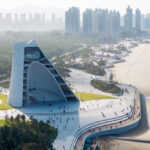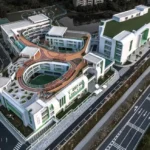

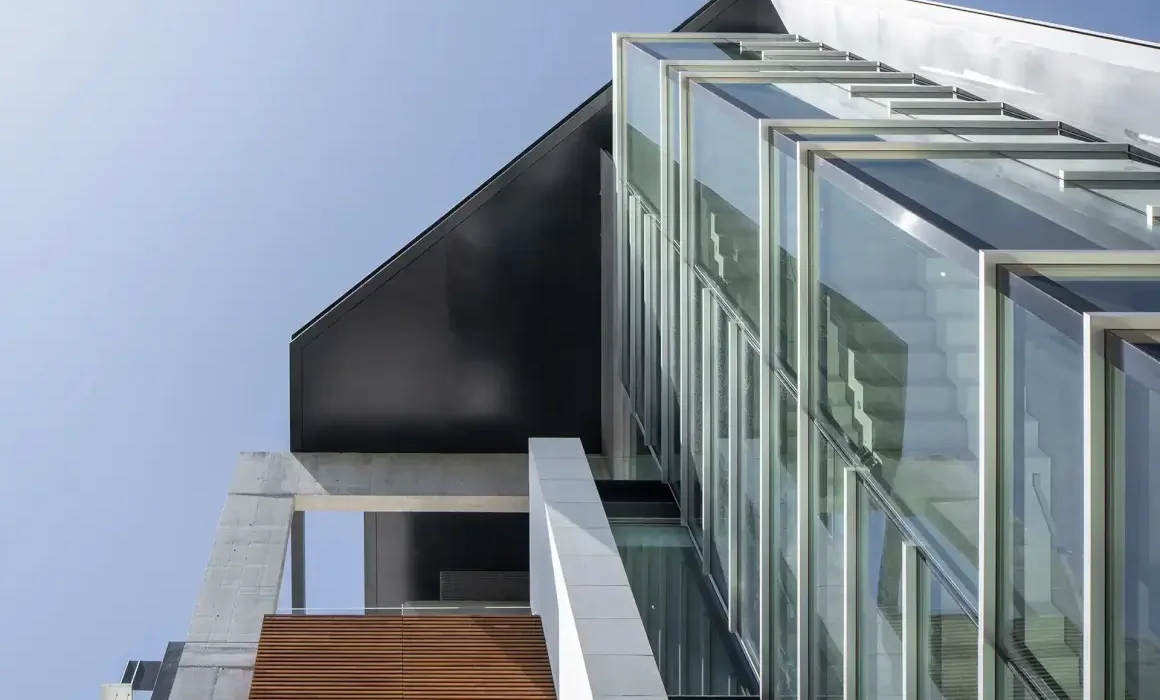
University buildings are no longer judged only by how many classrooms they contain. Today, the most successful campuses blend adaptability, sustainability, and memorable design—turning education spaces into iconic architecture that shapes how students learn, gather, and imagine the future. Arrupe Campus, designed by Bueso-Inchausti & Rein Arquitectos, is a compelling example of this shift, presenting a refined architectural response to the evolving needs of higher education.
In an era defined by hybrid learning, interdisciplinary collaboration, and climate-conscious construction, academic environments must work harder than ever. Arrupe Campus answers that challenge with a flexible architectural language that feels contemporary, generous, and deeply connected to its users. For readers interested in luxury architecture, luxury design, and elevated spatial experiences, this project shows how institutional buildings can achieve both performance and presence.
Why Arrupe Campus Matters in Iconic Architecture
What makes a campus memorable is not just scale or spectacle, but clarity of purpose. Arrupe Campus stands out within iconic architecture because it treats flexibility as a design principle rather than a technical afterthought. The project reflects a broader movement in educational design: spaces must adapt over time, accommodate different teaching models, and encourage spontaneous interaction.
Instead of relying on rigid academic layouts, the campus is conceived to support change. That means learning areas can serve multiple uses, circulation becomes part of the social experience, and the architecture itself helps foster community. This approach is increasingly relevant as schools and universities seek buildings that remain useful for decades without losing aesthetic value.
From an SEO and discoverability perspective, projects like this also answer what readers are actively searching for: future-ready campuses, sustainable academic design, and iconic architecture that combines beauty with utility. It is the kind of building that belongs in conversations about next-generation educational environments.
Flexible Design for Modern Learning
Architecture That Adapts Over Time
The defining strength of Arrupe Campus is its flexibility. Educational institutions are changing fast, and architecture must now support lecture-based teaching, collaborative workshops, informal study, and digital learning ecosystems. A flexible building allows institutions to reconfigure spaces without major structural interventions, protecting long-term value while improving the day-to-day experience of users.
In practical terms, adaptable academic design often includes:
- Multipurpose classrooms that can shift between lecture, seminar, and group-work formats
- Open common areas that support social learning
- Circulation zones designed as active meeting spaces
- A structural and spatial framework that accommodates future change
This is where Arrupe Campus excels. Its design logic supports a fluid academic life rather than imposing a single static model. That quality is central to iconic architecture today: buildings become landmarks not only because they look distinctive, but because they respond intelligently to contemporary use.
Human-Centered Academic Space
Luxury in architecture is increasingly defined by experience rather than ornament. Arrupe Campus reflects this idea through spaces that prioritize comfort, light, openness, and intuitive movement. These are essential traits in educational settings, where well-being and concentration directly influence outcomes.
A human-centered campus design can elevate everyday routines by making movement easier, creating visual calm, and encouraging connection. This is particularly important in academic architecture, where students and faculty often spend long hours inside the building. The result is a more inviting environment—one that feels considered, durable, and quietly sophisticated.
Sustainability and the Future of Academic Design
No discussion of iconic architecture is complete without sustainability. The most admired contemporary buildings are not just photogenic; they are environmentally responsive and operationally efficient. In the academic sector, sustainability is especially important because campuses serve as both educational tools and long-term civic investments.
Flexible architecture supports sustainability in several ways:
- Longevity: Adaptable spaces reduce the need for demolition or costly rebuilding.
- Efficiency: Smart spatial planning can improve daylight use, ventilation, and energy performance.
- Resource responsibility: Durable materials and thoughtful construction reduce waste over time.
Arrupe Campus aligns with this future-facing mindset by demonstrating that architectural flexibility and environmental responsibility are closely linked. A building that can evolve is inherently more resilient. That resilience is part of what elevates a project from competent design to iconic architecture.
What Luxury Architecture Can Learn from Arrupe Campus
Although Arrupe Campus serves an academic function, its design lessons extend far beyond the university setting. In luxury architecture and luxury home design, clients increasingly want spaces that are elegant yet adaptable, visually striking yet deeply livable. The same principles seen here—clarity, flexibility, longevity, and refined material expression—are shaping premium residential and hospitality design as well.
Key takeaways for the luxury sector include:
- Design for change: Spaces should accommodate evolving lifestyles and technologies.
- Prioritize flow: Circulation should feel natural and enhance the overall experience.
- Create social nodes: Shared spaces are essential for connection, whether on a campus or in a luxury residence.
- Balance identity and function: The most memorable projects combine strong visual character with everyday usability.
Readers exploring luxury decor and luxury design trends can also see a wider cultural shift here: minimal but expressive architecture is increasingly valued over excess. Arrupe Campus proves that disciplined design can still feel ambitious, warm, and aspirational.
The Broader Role of Iconic Architecture in Education
Educational buildings have always communicated institutional values. Today, they also signal openness, innovation, and environmental awareness. That is why iconic architecture in the academic realm matters so much: it shapes first impressions, supports community identity, and can even influence how learning itself takes place.
The best campus architecture does more than house programs. It creates a framework for collaboration, curiosity, and belonging. Arrupe Campus appears to embody that philosophy through a design approach that is measured rather than showy, but still distinctly memorable. It suggests that the future of academic architecture lies in buildings that are flexible, sustainable, and spatially generous.
For related inspiration, readers may also explore our coverage of luxury architecture trends, contemporary luxury design, and future-focused luxury home concepts to see how adaptive planning is redefining multiple sectors.
Conclusion
Arrupe Campus offers a timely lesson in what iconic architecture should mean today. Rather than relying on visual drama alone, it demonstrates that true architectural impact comes from adaptability, sustainability, and a strong understanding of how people use space. As academic institutions continue to evolve, projects like this will set the benchmark for campuses that are both future-ready and architecturally memorable.
The clear takeaway is this: the next generation of iconic architecture will be defined not only by how it looks, but by how intelligently it changes with the world around it.