What happens when architecture is guided not by convention, but by wonder? In today’s most compelling luxury spaces, iconic architecture is increasingly drawing from the same qualities that define childhood: curiosity, play, freedom, and imagination.
That creative shift is transforming the way designers approach high-end homes, interiors, and experiential environments. Rather than relying only on symmetry, status, or minimalism, architects are exploring fluid forms, tactile materials, and emotionally engaging layouts that invite discovery. The result is a new design language—one that feels luxurious not just because it is expensive, but because it sparks delight.
Why Iconic Architecture Is Turning Toward Imagination
The world’s most memorable buildings rarely succeed because they follow rules. They become iconic architecture because they create an emotional response. Inspiration rooted in children’s curiosity offers architects a powerful framework for that response: spaces that encourage movement, exploration, and surprise.
In luxury architecture, this approach is especially relevant. Affluent homeowners and design-forward clients increasingly want more than polished finishes and grand proportions. They want homes and spaces with personality, storytelling, and a sense of experience. Imagination-led design answers that demand by blending sculptural beauty with human-centered creativity.
This trend also reflects a larger evolution in contemporary architecture:
- Form is becoming more expressive, with organic silhouettes and playful geometry.
- Function is becoming more fluid, allowing rooms to adapt to family life, entertaining, and retreat.
- Luxury design is becoming more emotional, prioritizing atmosphere, memory, and sensory engagement.
Design Lessons Drawn From Childhood Wonder
Architecture inspired by youthful imagination does not mean spaces become childish. Instead, it means designers borrow principles that often disappear in adulthood: openness, experimentation, and joy. These qualities can elevate a luxury home into something far more distinctive.
1. Discovery Through Space
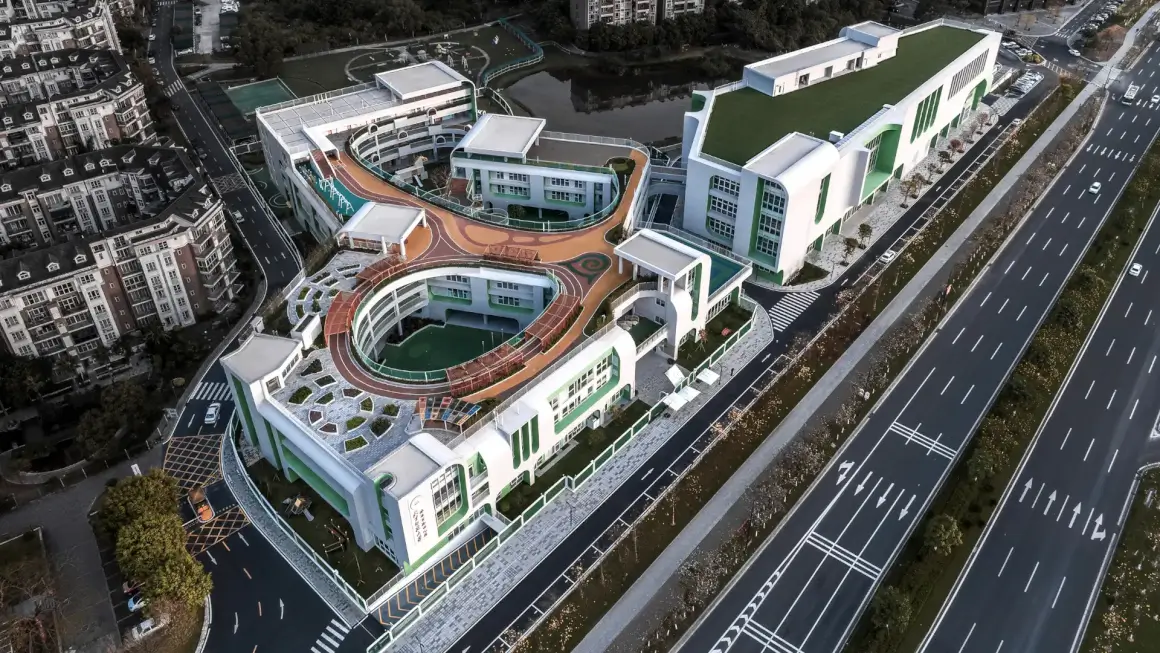
One of the most effective ways to create iconic architecture is to make movement through a building feel like a journey. Instead of revealing everything at once, designers can choreograph experience through layered transitions, framed views, hidden courtyards, and unfolding rooms.
In a luxury residence, this might include:
- A curved corridor that gradually opens into a dramatic double-height living space
- Interior courtyards that bring light and surprise into the floor plan
- Custom staircases treated as sculptural centerpieces
- Thresholds that shift mood through texture, scale, or lighting
These details turn architecture into an experience rather than a backdrop.
2. Playful Form With Sophisticated Execution
Playfulness in architecture is often misunderstood. In premium design, it does not suggest novelty for its own sake. It suggests confidence—the confidence to experiment with curves, cantilevers, unexpected materials, or unconventional proportions while maintaining refinement.
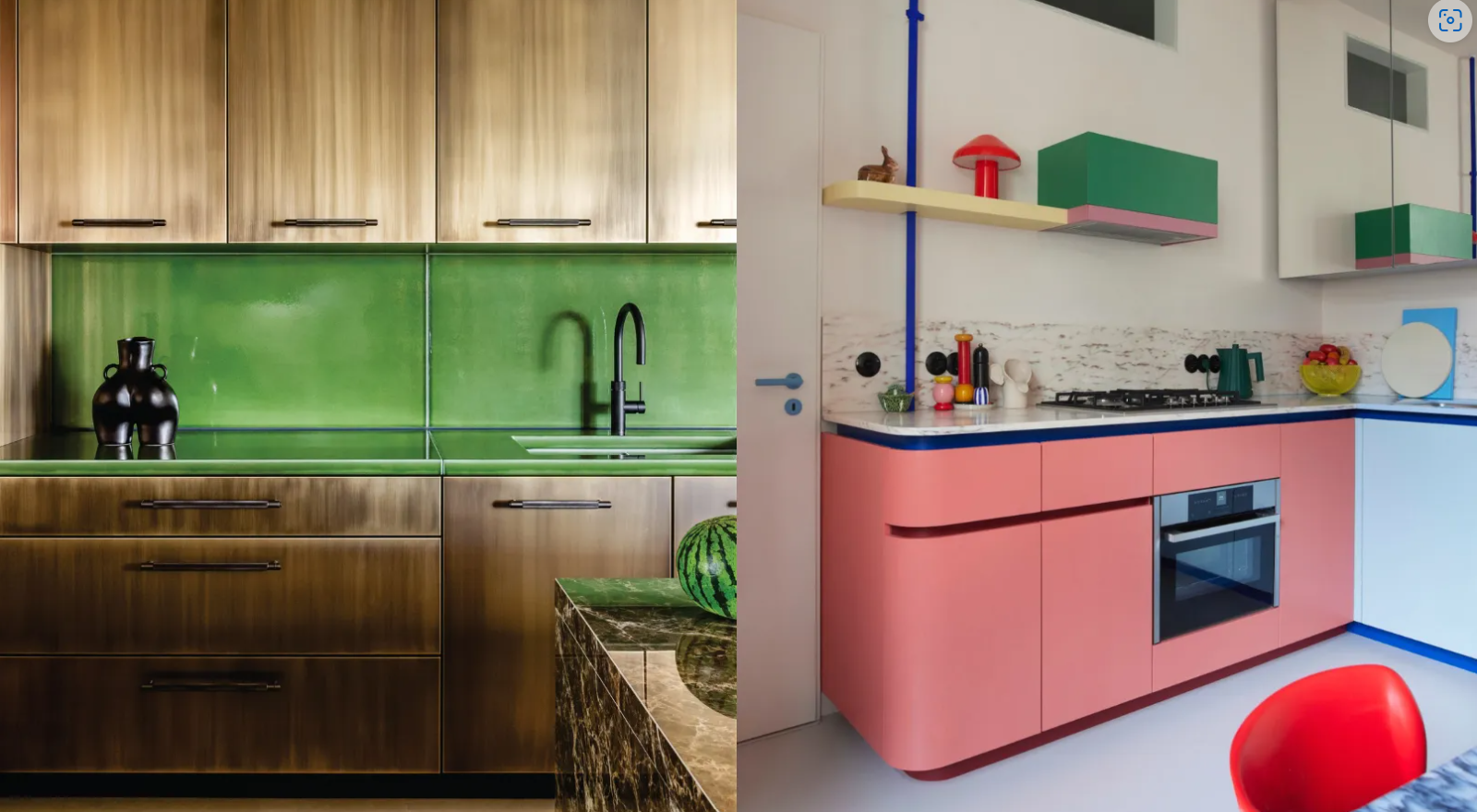
This is where iconic architecture intersects with luxury design most clearly. A home can be elegant and whimsical at the same time. Think sculpted ceilings, rounded openings, immersive reading nooks, or rooms that blur indoor and outdoor boundaries. When executed with restraint and craftsmanship, these gestures feel timeless rather than trendy.
3. Sensory Richness
Children engage with the world physically and intuitively, and architecture can benefit from that same multi-sensory mindset. Texture, light, acoustics, and material warmth all shape how a space feels.
In luxury decor and luxury home design, sensory richness may come through:
- Natural stone with tactile variation
- Warm timber surfaces that soften modern forms
- Filtered daylight that changes throughout the day
- Layered textiles and artisanal finishes that invite touch
These elements bring depth to iconic architecture, making it not only visually striking but deeply livable.
How This Influence Is Changing Luxury Architecture
The influence of imagination is visible across high-end residential design. Architects are rethinking how families live, gather, and recharge, and that means moving beyond rigid floor plans or purely formal aesthetics.
Several shifts stand out:
Flexible, Family-Centered Layouts
Luxury homes are increasingly designed around interaction and adaptability. Spaces for play, creativity, wellness, and informal gathering are becoming just as important as formal entertaining rooms. This reflects a broader understanding that true luxury supports the rhythms of real life.
Statement Features With Meaning
Rather than using spectacle alone, today’s iconic architecture often incorporates meaningful visual moments—such as a skylit atrium, a floating stair, or a secluded garden pavilion—that connect emotion with design. These features become memorable because they shape experience, not just appearance.
Indoor-Outdoor Storytelling
Imagination-led architecture frequently extends beyond the walls of a home. Landscaped paths, reflective pools, intimate terraces, and sculptural planting can create a sense of adventure and calm. In luxury architecture, this continuity strengthens both property value and daily enjoyment.
For related inspiration, this type of design thinking pairs well with broader conversations around luxury home design trends and statement interiors for modern living.
What Makes Iconic Architecture Truly Enduring
Not every unusual building becomes lasting iconic architecture. Enduring design does more than look bold in photographs. It balances innovation with comfort, artistry with practicality, and imagination with craftsmanship.
The most successful examples tend to share a few qualities:
- Emotional resonance — the space makes people feel something immediately.
- Strong architectural identity — the concept is clear and consistently expressed.
- Material integrity — finishes and construction support the design vision.
- Human usability — the building remains functional, intuitive, and welcoming.
This is why curiosity matters. It encourages architects to ask better questions: How can a home surprise without overwhelming? How can a room inspire calm and creativity at once? How can design become a daily source of wonder?
Conclusion: The Future of Iconic Architecture Is More Human
The next era of iconic architecture may be defined less by monumentality and more by imagination. By drawing on the spirit of childhood curiosity, architects and designers are creating luxury spaces that feel expressive, memorable, and deeply personal.
For homeowners, developers, and design enthusiasts, the lesson is clear: the most powerful luxury design is not only beautiful—it invites exploration. When wonder becomes part of the blueprint, iconic architecture becomes more than a visual statement. It becomes an experience people never forget.