The fastest way to understand a destination is to taste it. For travellers planning europe travel with a luxury angle, local food offers far more than a good meal: it reveals regional identity, tradition, landscape and craftsmanship in a way museums and monuments often cannot.
This travel guide is designed for readers who want to plan richer, more memorable journeys through Europe by eating well and eating locally. From Michelin-starred tasting menus to market breakfasts, vineyard lunches, farmhouse suppers and hands-on cooking classes, food-led europe travel guides can transform an ordinary itinerary into something far more immersive.
Why food-focused europe travel is worth it
If you are wondering whether culinary travel is really worth building a trip around, the answer is yes. Across Europe, food is tied closely to geography, seasonality and heritage. The cheese you try in the Alps, the seafood served on the Atlantic coast, the olive oils of the Mediterranean and the pastries of Central Europe all reflect local climate, farming traditions and cultural exchange over centuries.
Luxury travellers in particular benefit from planning europe travel around gastronomy because high-end experiences in Europe are often rooted in authenticity rather than excess. The most memorable moments may include:
- A chef-led tasting menu built around local produce
- A private market tour followed by a cooking class
- Wine tasting at an estate with regional food pairings
- A seasonal foraging excursion with an expert guide
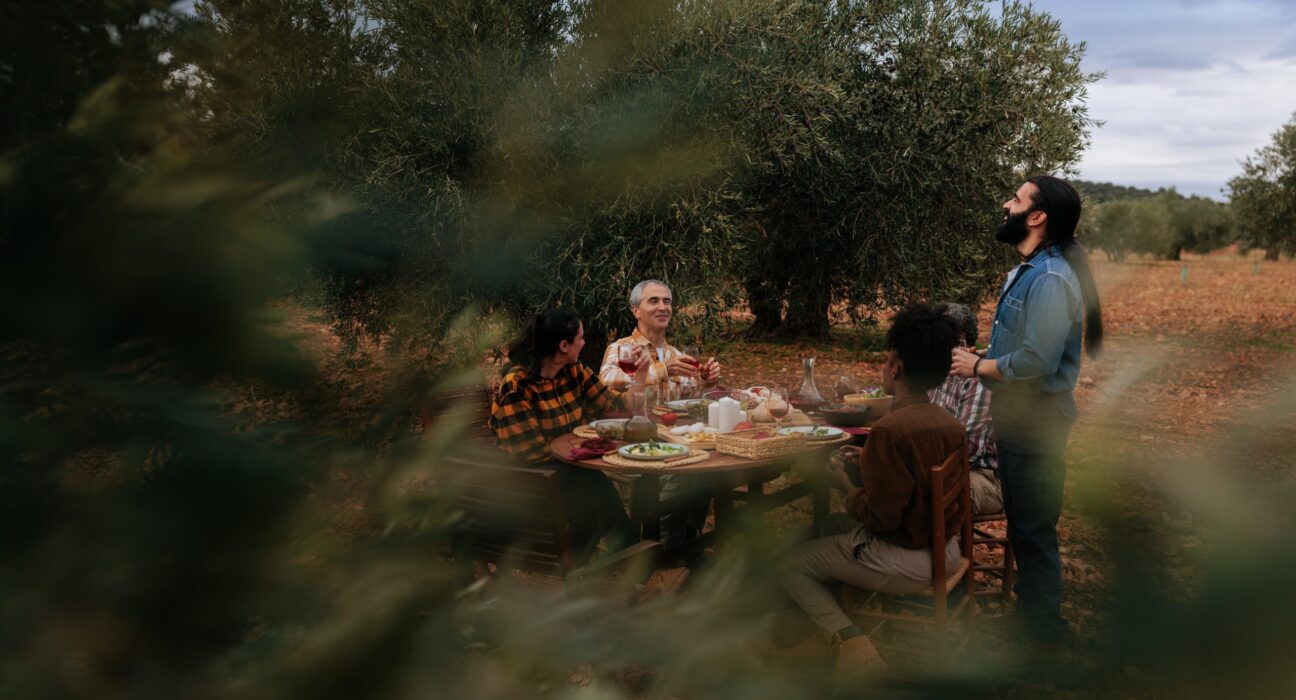
- A long lunch at a rural farm or family-run inn
In other words, great food in Europe is not just about fine dining. It is about connection.
What makes Europe’s culinary culture unique
One reason europe travel remains so rewarding for food lovers is the sheer variety packed into relatively short distances. You can move from Alpine dairy traditions to Adriatic seafood, from Iberian tapas culture to Nordic seasonal cooking, often within a single trip.
Regional identity on every plate
Many European destinations celebrate ingredients with protected regional status, traditional preparation methods and strong local pride. This means travellers can still find dishes that feel deeply tied to place rather than designed purely for tourists.
Examples across Europe include:
- Market and tavern culture in Croatia
- Mountain cheeses and story-rich dining in Switzerland
- Modern interpretations of heritage food in Wallonia
- Rustic, generous cuisine in Serbia and Slovakia
- Traditional tables and beer culture in Czechia
- Mediterranean produce and village cooking in Cyprus, Malta, Spain and Portugal
- Nordic seasonal cuisine in Denmark and Finland
- Hearty culinary traditions in Poland, Germany, Austria and Slovenia
The best europe travel guides treat food as part of the destination, not a side note.
How to plan a luxury culinary trip in Europe
A smart food itinerary balances signature restaurants with casual local experiences. Too many travellers book one famous table and miss the markets, wine bars and neighbourhood spots that give a destination its flavour.
Build your trip around three food experiences
For each destination, try to include:
- One flagship meal – a refined restaurant, chef’s table or estate dining experience
- One local tradition – such as a market visit, tavern meal or regional tasting
- One hands-on activity – a cooking class, vineyard tour or foraging walk
This simple structure works especially well for shorter city breaks and multi-country europe travel itineraries.
Book ahead for sought-after experiences
Luxury food travel in Europe often requires advance planning, especially in summer and around public holidays. Popular tasting-menu restaurants, winery visits and small-group culinary experiences can fill up weeks or months in advance.
Use official tourism sites, restaurant websites and recognised booking platforms to confirm:
- Opening days
- Seasonal availability
- Tasting menu formats
- Cancellation policies
- Dress expectations
Best luxury food experiences to look for
If you want your travel guide planning to go beyond standard sightseeing, prioritise experiences that reveal how locals actually eat.
Markets and food halls
Markets remain one of the best introductions to a region. They show what is in season, what locals buy and which foods define the area. Arrive early for the best atmosphere and combine the visit with breakfast or a guided tasting.
Cooking classes
A cooking class can add real value to europe travel because it gives context to ingredients, techniques and customs. Look for classes focused on regional dishes rather than generic “European cooking.”
Foraging and farm visits
In parts of Northern, Central and Eastern Europe, guided foraging walks and farm-based dining experiences offer a direct link to landscape and tradition. These are especially appealing for travellers seeking slow luxury rather than conventional five-star routines.
Wine, beer and spirits tastings
Many destinations pair culinary heritage with outstanding drinks culture. Depending on the region, that might mean vineyard tastings, monastery liqueurs, local cider, craft beer or historic café culture.
Practical travel tips for Irish and UK travellers
For readers using europe travel guides to plan a food-led holiday, practical details matter just as much as inspiration.
- Flights: Major European food cities and regions are often accessible from Dublin, Cork, Shannon, London and regional UK airports, sometimes with direct low-cost or full-service routes.
- Currency: Not all European destinations use the euro. Check before travelling, especially for Switzerland, Poland, Czechia and Denmark.
- Visa rules: Irish and UK travellers can visit many European destinations for short stays, but always confirm entry requirements before departure.
- Health cover: Irish travellers should carry a valid EHIC, while UK travellers should carry a GHIC where applicable. These are not substitutes for comprehensive travel insurance.
- Roaming: Mobile roaming rules vary by provider and destination, so verify charges before you travel.
- Driving: If your food itinerary includes vineyards, villages or rural estates, check local driving rules, toll systems and drink-driving laws carefully.
Common mistakes to avoid on a culinary Europe trip
Even experienced travellers can get food travel wrong. Avoid these common errors:
- Booking only famous restaurants and skipping casual local spots
- Assuming dinner starts early everywhere in Europe
- Failing to reserve in advance during peak season
- Ignoring regional specialties and ordering familiar dishes
- Trying to cover too many countries in one short trip
- Underbudgeting for wine pairings, tasting menus and transfers
How much should you budget?
Luxury culinary europe travel can be tailored widely by destination. Southern and parts of Central and Eastern Europe often offer stronger value than top-tier capitals in Western Europe.
Typical splurge costs may include:
- High-end tasting menus in major cities
- Private food tours or market experiences
- Wine estate visits with pairings
- Boutique or heritage hotel stays
- Private transfers to rural restaurants or vineyards
A sensible approach is to mix standout meals with simpler lunches, bakery stops and market dining. That keeps the trip indulgent without making every meal feel overly formal.
Final thoughts on europe travel for food lovers
The best europe travel experiences are often tasted as much as seen. Whether you are exploring Croatia’s taverns, Switzerland’s regional dining, Portugal’s local specialities or Denmark’s modern food scene, eating like a local brings depth, memory and meaning to the journey.
If you are planning your next escape, use this travel guide as a starting point: choose fewer places, book one exceptional meal, leave room for markets and local discoveries, and let food shape your route. In the end, the smartest europe travel guides all point to the same truth: to know Europe properly, you have to sit down at the table.
Explore More
For more destination planning and premium trip ideas, readers may also enjoy luxury and travel features from luxedigest.org and broader Europe inspiration from dailydigest.ie.