
Architecture news rarely captures the imagination quite like a World Expo, and Expo Osaka 2025 delivered exactly that kind of global spectacle. After six months of exhibitions, conversations, and architectural experimentation, the event closed as more than a temporary fairground—it became a vivid blueprint for how luxury architecture, refined design thinking, and future-ready urban ideas can coexist on a world stage.
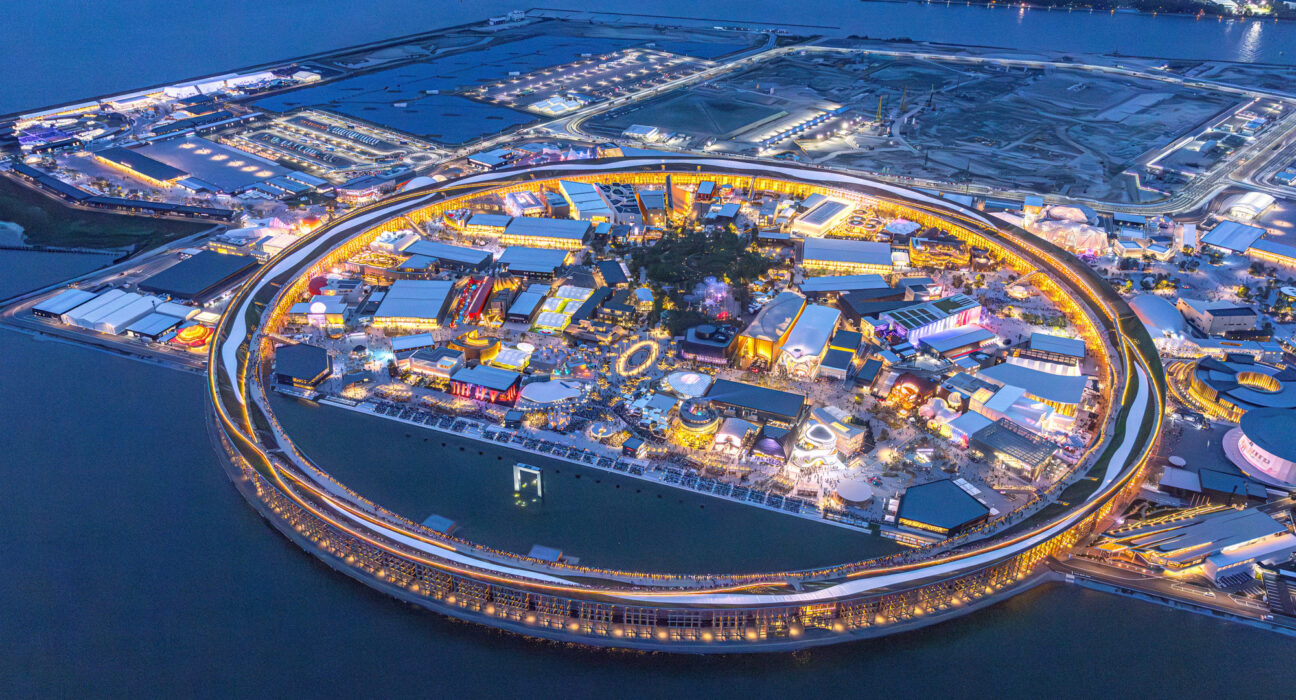
Held on Yumeshima, a reclaimed island in Osaka Bay, Expo Osaka 2025 welcomed roughly 28 million visitors and brought together 165 countries and international organizations. Guided by the theme Designing Future Society for Our Lives, the Expo explored three core ideas—Saving Lives, Empowering Lives, and Connecting Lives—through national pavilions, modular structures, public programming, and large-scale master planning. For readers tracking luxury architecture and high-end design trends, the real story lies in how this global event translated innovation into spatial experience.
Architecture News From Expo Osaka 2025: A Global Design Milestone
In the world of architecture news, World Expos have long served as laboratories for national identity, technological ambition, and landmark construction. From London’s Crystal Palace to Paris’s Eiffel Tower, these events have historically introduced bold ideas that outlast their original function. Expo Osaka 2025 continued that legacy, while also reflecting contemporary priorities such as sustainability, flexibility, and human-centered design.
This edition was especially significant because it marked the 36th World Expo and Japan’s third time hosting the event, 55 years after Osaka 1970. That historical echo gave the exhibition a strong narrative arc: a return to Osaka, but with a fundamentally updated design language. Instead of monumental permanence alone, the focus shifted toward adaptive systems, collaborative spaces, and environmentally conscious construction.
The Grand Ring as the Event’s Architectural Icon
The defining image in recent architecture news coverage of the Expo was undoubtedly the Grand Ring by Sou Fujimoto Architects. Encircling the site with a record-breaking wooden structure, the ring functioned as both infrastructure and symbol. It framed movement, created a unifying public realm, and expressed the Expo’s guiding idea of “Unity in Diversity.”
Its design resonated strongly with luxury design values because it balanced scale with serenity. Rather than relying on excess, the structure conveyed sophistication through materiality, rhythm, and spatial clarity. That approach mirrors a larger shift in luxury architecture: elegance is increasingly defined by craftsmanship, atmosphere, and ecological intelligence rather than ornament alone.
Why Expo Osaka 2025 Matters to Luxury Architecture
For those interested in luxury architecture, Expo Osaka 2025 offered a compelling lesson in how premium design can engage public life. While expos are temporary by nature, the best pavilions and site plans often influence residential, hospitality, and cultural design for years afterward. The architectural language seen in Osaka is likely to shape everything from luxury homes to high-end interiors and destination developments.
Several ideas stood out:
- Natural materials at monumental scale: Timber took center stage, proving that warmth and sustainability can coexist with dramatic form.
- Experiential circulation: The site emphasized procession, framed views, and layered discovery—concepts now central to luxury residential planning.
- Modularity and adaptability: Flexible systems suggested a future where bespoke design does not exclude efficiency.
- Emotional minimalism: Many spaces embraced restraint, showing how calm environments can feel more luxurious than visually crowded ones.
This is why architecture news from Osaka matters beyond the fair itself. It points to a premium design future in which beauty, sustainability, and public meaning are inseparable.
From Pavilions to High-End Interiors
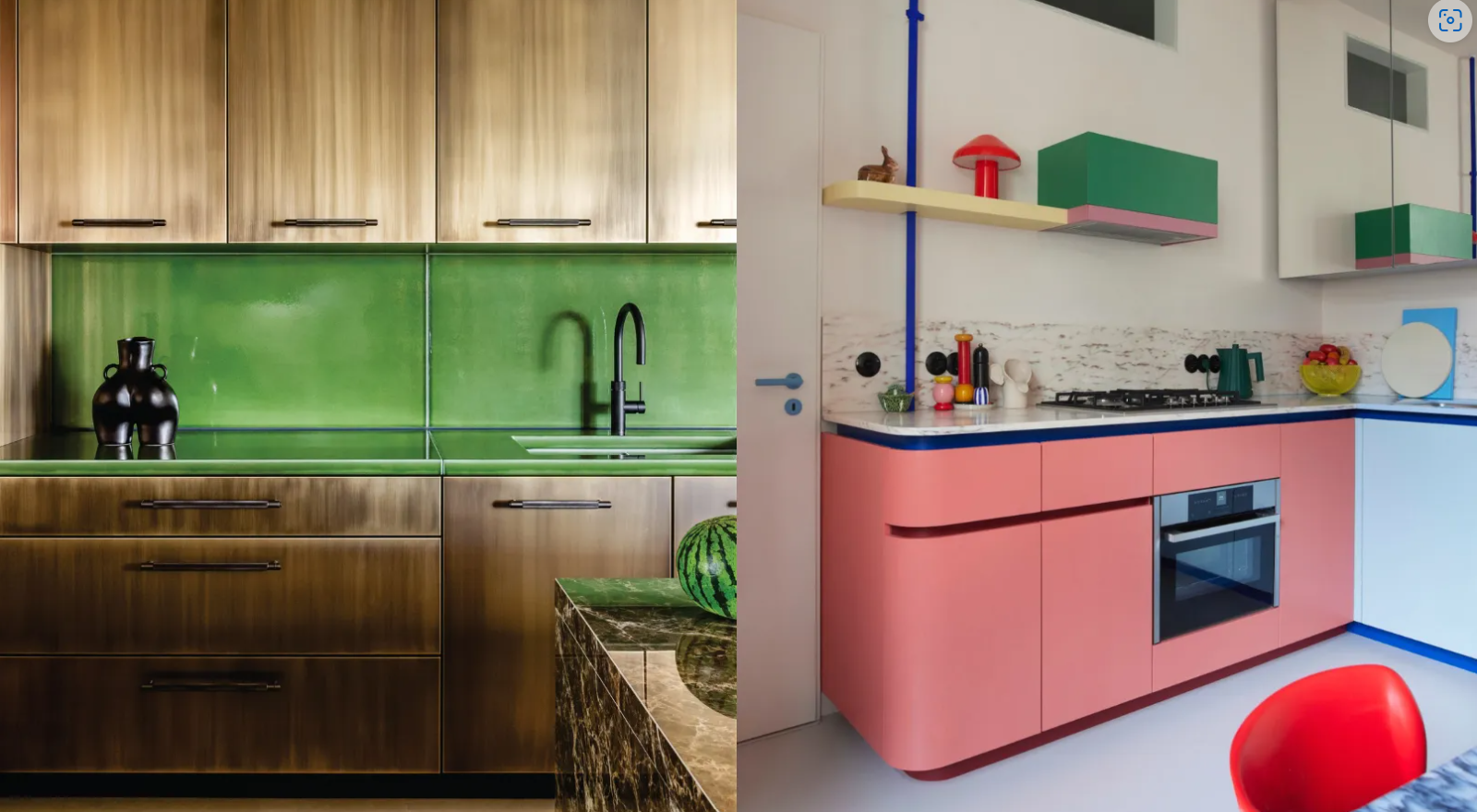
Luxury decor and luxury home decor often take cues from major architectural events, and Expo Osaka 2025 is no exception. The pavilion environment highlighted several interior trends that are likely to ripple outward:
- Organic textures and tactile finishes
- Soft, diffused lighting that enhances mood
- Integrated technology with discreet visual presence
- Open-plan layouts anchored by sculptural structural elements
- Nature-inspired palettes featuring wood, stone, sand, and muted mineral tones
For luxury homeowners and designers, these ideas translate into spaces that feel immersive rather than merely expensive. The Expo reinforced the notion that true luxury design is increasingly sensory, sustainable, and deeply architectural.
Award-Winning Design and International Recognition
Another major point in architecture news coverage was the recognition of standout pavilions during the Expo 2025 Official Participant Awards. Among the winners, the Kingdom of Bahrain Pavilion by Lina Ghotmeh – Architecture earned the Gold Award for Best Architecture and Landscape in the self-built pavilion category under 1,500 square meters.
This recognition matters because it highlights the growing value placed on architecture that is both expressive and environmentally attuned. Bahrain’s success also underlines an important shift in global design culture: prestige now comes not just from visual impact, but from narrative depth, material intelligence, and landscape integration.
For the luxury sector, that standard is increasingly relevant. Whether in a private villa, boutique hotel, or curated interior, clients now expect design to communicate identity while also responding to climate, craft, and context.
What Expo Osaka 2025 Reveals About the Future of Design
The most important takeaway from this chapter in architecture news is that architecture is being asked to do more. It must inspire, connect, educate, and perform. Expo Osaka 2025 demonstrated that large-scale design can still be visually memorable while serving broader social and ecological goals.
Key future-facing themes emerging from the Expo include:
- Human-centered urbanism: Spaces designed for interaction, comfort, and inclusivity
- Regenerative thinking: Design that restores environmental value rather than simply minimizing harm
- Cultural storytelling: Architecture as a vessel for national and local identity
- Cross-disciplinary collaboration: Greater integration between architecture, technology, landscape, and public programming
These themes will likely shape upcoming global events, including Expo 2030 Riyadh, whose master plan emphasizes nature-led urban design, regeneration, and sustainable mobility. In that sense, Osaka was not an ending but a transition point.
Conclusion: Why This Architecture News Story Has Staying Power
As a piece of architecture news, the closing of Expo Osaka 2025 marks the end of a successful international exhibition. As a design story, however, its influence is only beginning. From Sou Fujimoto’s monumental wooden Grand Ring to award-winning national pavilions and a renewed focus on sustainable elegance, the Expo offered a rich preview of where luxury architecture and luxury design are heading next.
The clearest takeaway is simple: the future of exceptional design will not be defined by extravagance alone, but by meaning, material intelligence, and the ability to connect people through space. That is why this architecture news moment deserves attention from architects, designers, luxury homeowners, and anyone interested in the next evolution of the built environment.