
Ireland Travel often conjures images of windswept cliffs, grand estates, and storied castles, but Blarney Castle offers something far more unexpected. Beyond the world-famous Blarney Stone lies one of County Cork’s most intriguing attractions: the Poison Garden, a rare botanical collection that adds mystery, history, and a touch of danger to an otherwise elegant day out.
For luxury travelers seeking experiences that feel both iconic and unusual, Blarney Castle delivers on both fronts. The medieval stronghold is already a must on many Ireland itineraries, yet its landscaped grounds, curated gardens, and unusual plant collections make it much more than a quick photo stop. A visit here combines heritage, horticulture, folklore, and refined estate-style exploration in one memorable destination.
Why Blarney Castle Deserves a Place on Your Ireland Travel Itinerary
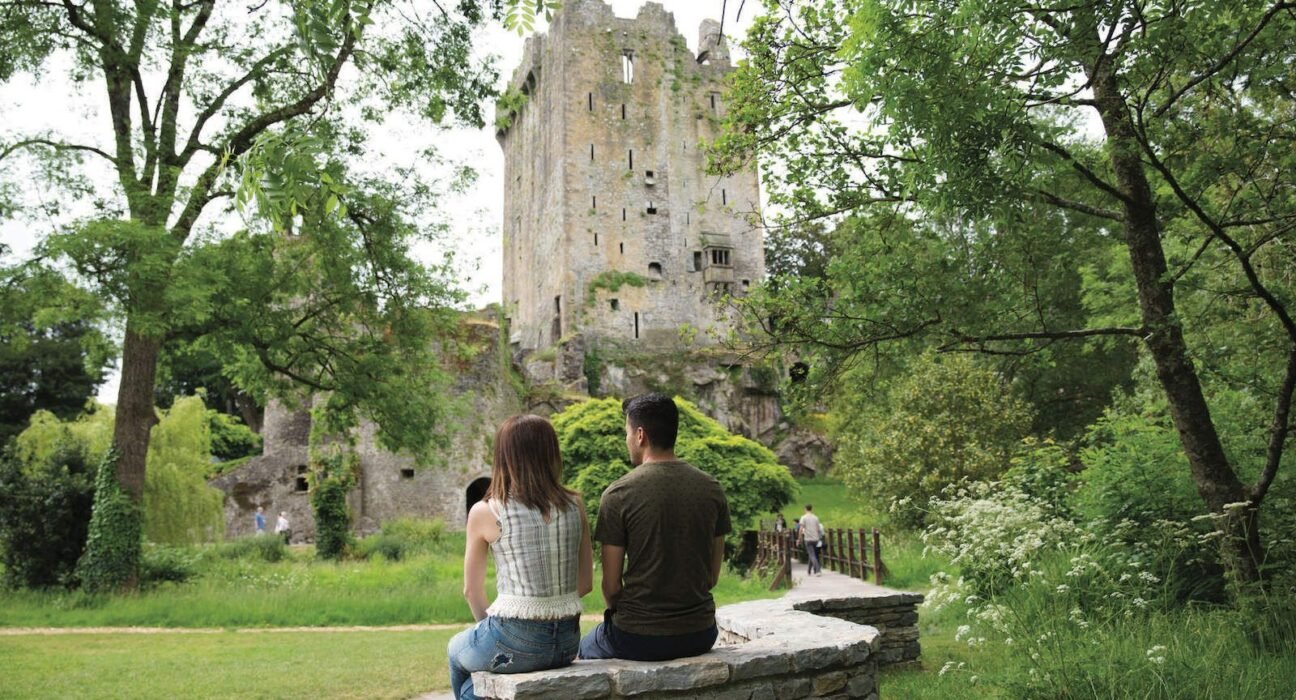
Located in County Cork, Blarney Castle is best known for the legendary Blarney Stone, said to grant the gift of eloquence to those willing to lean backward and kiss it. But the estate itself is the real luxury experience. Set across roughly 60 acres of parkland and gardens, the property invites visitors to slow down and enjoy a richer side of Ireland travel.
The grounds feature a variety of beautifully maintained spaces, including:
- Fern gardens and shaded woodland walks
- An ice house and historic estate features
- Arboretums and a pinetum with rare tree species
- Herbaceous borders filled with seasonal color
- The Seven Sisters garden, inspired by local legend
- The unusual and unforgettable Poison Garden
For travelers who appreciate cultural depth with polished presentation, this blend of medieval architecture and curated landscape design makes Blarney Castle one of the most rewarding stops in Cork tourism.
The Poison Garden: Blarney Castle’s Most Unusual Attraction
Tucked behind the castle battlements, the Poison Garden looks deceptively serene at first glance. Yet warning signs, protective cages, and strict instructions quickly signal that this is no ordinary botanical display. Visitors are clearly told not to touch, smell, or ingest any plant, and children must remain closely supervised throughout the visit.
That sense of controlled danger is exactly what makes the experience so compelling. In a world of predictable sightseeing, this corner of the estate offers something rare in Ireland travel: a garden designed to educate through fascination and caution.
The collection includes a number of notorious toxic plants, each labeled with details about its history, medicinal uses, folklore, and poisonous properties. Rather than sensationalizing the subject, the garden presents these species as part of a wider story about how humans have long relied on plants for healing, ritual, and, at times, harm.
Notable Plants in the Poison Garden
Among the best-known specimens are:
- Wolfsbane – long associated with folklore and potent toxicity
- Mandrake – a plant wrapped in myth and medicinal history
- Hellebore – beautiful yet dangerous if mishandled
- Hemlock – infamous for its lethal properties
- Nightshade – one of the most storied poisonous plants in Europe
- Ricinus communis – the castor oil plant, linked to the deadly toxin ricin
For visitors interested in botanical history, toxic plants, or unusual gardens in Ireland, the display is as educational as it is atmospheric.
A Layer of Intrigue: Illicit Plants and Controversial History
Part of the Poison Garden’s reputation comes from its inclusion of plants better known for their legal controversy than their horticultural value. Species such as opium poppy and cannabis have appeared in the garden as part of its broader interpretation of dangerous, restricted, and historically significant plants.
One particularly memorable episode occurred in 2010, when local authorities instructed Blarney Castle’s horticultural team to remove Cannabis Sativa and Papaver Somniferum from the grounds and deliver them to a Garda station. Reports indicated that while the castle’s team had been open about their intentions, the necessary licensing had not been fully secured.
This unusual chapter only adds to the garden’s mystique. For lovers of Ireland travel who are drawn to destinations with layered stories, Blarney’s Poison Garden offers far more than visual interest.
What Makes It a Luxury Travel Experience?
Luxury travel is no longer defined only by five-star hotels and fine dining. Increasingly, it is about access to distinctive experiences, cultural richness, and beautifully managed settings. Blarney Castle fits that modern definition exceptionally well.
Here’s why it appeals to upscale travelers:
- Iconic status – It is one of Ireland’s most recognizable heritage sites.
- Immersive grounds – The expansive estate encourages a leisurely, high-value visit rather than a rushed stop.
- Curated storytelling – From legend to botany, the site offers intellectual and sensory depth.
- Photogenic surroundings – Castle stonework, formal gardens, and hidden corners create a striking visual experience.
- Year-round appeal – The gardens and arboretums remain open throughout the year, making it a flexible addition to a premium Ireland itinerary.
Pair a visit with a private driver through County Cork, a countryside stay at a luxury manor, or a gourmet dining reservation nearby, and Blarney Castle becomes part of a polished southern Ireland escape.
Planning Your Visit to Blarney Castle
If you are building an Ireland travel itinerary around heritage and refined outdoor experiences, Blarney Castle is an easy inclusion. Access to the Poison Garden is included with castle admission, and the wider gardens provide ample reason to dedicate several hours to the estate.
Tips for Visiting
- Arrive early to enjoy the grounds before peak crowds gather near the Blarney Stone.
- Wear comfortable shoes, as the estate includes extensive walking paths.
- Allow extra time for the arboretums and themed gardens, not just the castle itself.
- Supervise children carefully in the Poison Garden and follow all posted warnings.
- Visit in shoulder season for a quieter, more elevated experience.
Because the site combines historic architecture with landscaped gardens, it works especially well for travelers who want a balanced day of sightseeing without sacrificing comfort or atmosphere.
Conclusion: A Must-See Stop for Ireland Travel
For anyone planning Ireland Travel with an eye for distinctive luxury experiences, Blarney Castle’s Poison Garden is a standout. It transforms a classic castle visit into something deeper: a journey through folklore, horticulture, danger, and design, all set within one of County Cork’s most celebrated estates.
The takeaway is simple: don’t stop at the Blarney Stone. The true magic of this destination lies in the grounds, and the Poison Garden is the unforgettable highlight that makes Blarney Castle one of the most fascinating stops in Ireland travel.