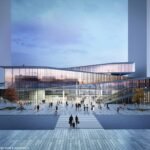

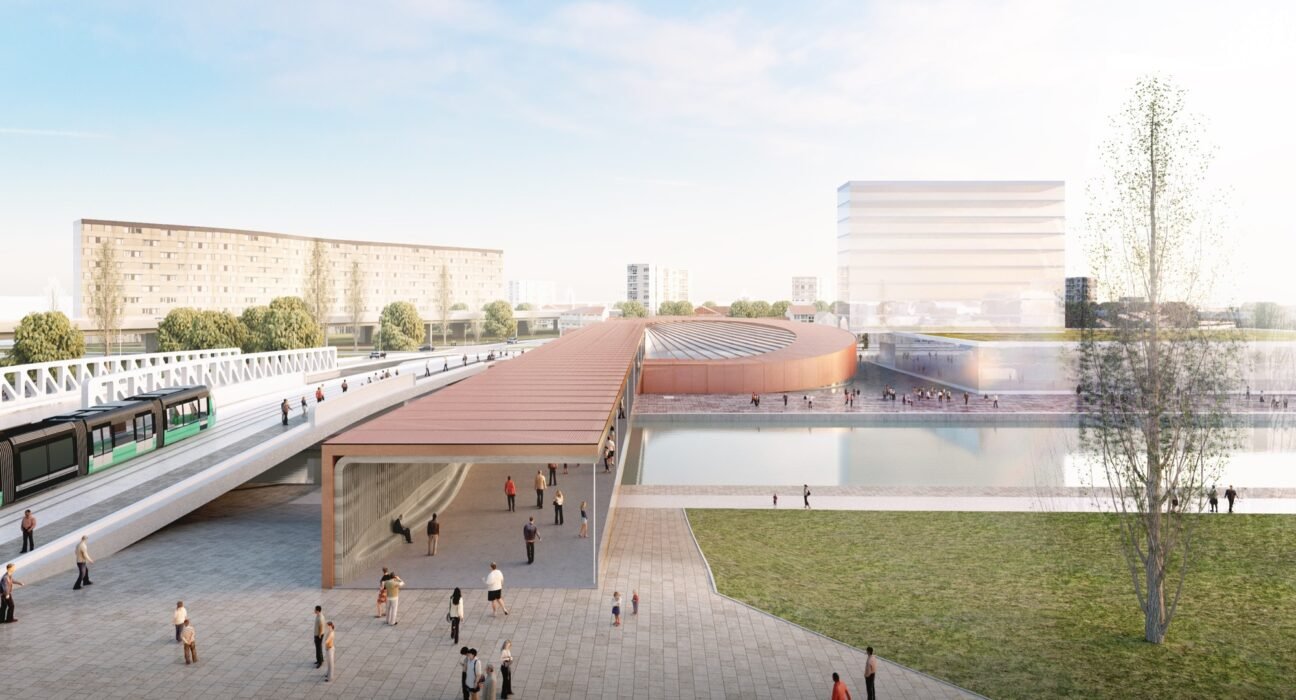
Architecture news rarely captures the scale of transformation now unfolding across the French capital. The Grand Paris Express is far more than a transport expansion: it is a sweeping urban design project that uses architecture, infrastructure, and public space to reshape how Greater Paris lives, moves, and grows.
Set to introduce 68 architect-designed stations across new automated metro lines, the Grand Paris Express stands out as one of Europe’s most ambitious public works programs. For readers interested in luxury architecture, luxury design, and the future of civic environments, the project offers a compelling lesson: exceptional design is no longer limited to private residences or cultural landmarks. It is increasingly embedded in the everyday spaces people use most.
Architecture News Spotlight: Why the Grand Paris Express Matters
In today’s architecture news cycle, major transit stories often focus on engineering timelines or economic impact. What makes the Grand Paris Express exceptional is its commitment to architectural identity at an urban scale. Instead of treating stations as purely functional transit nodes, the project positions them as catalysts for renewal, placemaking, and neighborhood pride.
Each station is being conceived by architects as a civic landmark with its own character, material palette, and spatial logic. That design-led approach reflects a broader shift in contemporary urban planning, where mobility infrastructure is expected to do more than move passengers. It must also improve the public realm, encourage investment, and create lasting social value.
This is why the development continues to generate strong interest in architecture news and urban design circles. It combines transportation, sustainability, and high-level architecture in a way few contemporary projects can match.
68 Stations, 68 Opportunities for Urban Renewal
The power of the Grand Paris Express lies in its distributed impact. Rather than concentrating attention in one monumental destination, the network extends transformation across multiple districts and suburbs. Every station becomes an opportunity to reconnect fragmented areas, support new housing, strengthen local commerce, and improve access to jobs and services.
Key urban renewal benefits include:
- Improved connectivity between central Paris and surrounding communities
- Revitalized public spaces around station entrances, plazas, and pedestrian corridors
- Mixed-use development that can bring homes, offices, retail, and amenities closer together
- Increased design quality in neighborhoods often overlooked by landmark architecture
- Long-term economic stimulus driven by accessibility and investment confidence
For followers of architecture news, the message is clear: infrastructure can be a design instrument. When handled thoughtfully, metro stations do not simply serve cities—they actively remake them.
Design Excellence Beyond the City Center
One of the most exciting aspects of the project is its refusal to reserve architectural ambition for prestigious central districts alone. By commissioning a wide range of architects to design stations throughout the metropolitan region, the Grand Paris Express spreads visual and civic value more equitably.
That principle resonates strongly with luxury architecture today. True luxury is increasingly defined not only by exclusivity, but by quality, durability, and elevated experience. In this context, a beautifully designed station with generous light, carefully selected materials, intuitive circulation, and meaningful integration into the neighborhood represents a new form of public luxury.
Several design themes help explain the project’s appeal:
- Local identity: Stations can respond to the history, density, and texture of their surroundings.
- Material richness: Concrete, glass, metal, and stone are often used to create both resilience and visual depth.
- Human-centered circulation: Clear movement patterns improve comfort and reduce stress in high-traffic environments.
- Daylight and openness: Well-lit interiors can transform the perception of underground transit.
- Architectural individuality: Distinct station designs avoid monotony across the network.
It is no surprise that this development continues to feature prominently in architecture news, especially among readers who appreciate the intersection of form, function, and civic aspiration.
What Luxury Design Can Learn From Public Infrastructure
Although the Grand Paris Express is a metropolitan transit project, its design lessons extend into luxury home, luxury decor, and luxury home decor conversations. The best station architecture often relies on the same core principles that define refined residential environments: proportion, texture, lighting, flow, and a strong relationship between users and space.
Design professionals and homeowners alike can draw inspiration from the project in several ways:
- Layered lighting creates atmosphere while guiding movement
- Honest materials age gracefully and communicate quality
- Spatial clarity makes even complex environments feel calm and legible
- Integrated architecture and interiors produce a seamless user experience
- Context-sensitive design ensures spaces feel rooted rather than generic
That crossover appeal is part of what makes the story especially relevant in current architecture news. The line between public and private design excellence is becoming more fluid, with each sphere influencing the other.
The Cultural and Economic Impact of Landmark Transit Architecture
Architect-designed stations can shape perception long before a passenger boards a train. They signal investment, confidence, and care. In neighborhoods undergoing change, strong civic architecture can become a symbolic anchor—one that helps residents and visitors imagine a more connected future.
From an economic standpoint, transport-oriented renewal tends to attract developers, retailers, and institutions seeking proximity to high-quality infrastructure. From a cultural standpoint, it democratizes access to architectural experience. Not everyone will visit a museum or stay in a luxury hotel, but millions will pass through a station. That makes transit architecture one of the most visible and influential design typologies of the 21st century.
Seen through the lens of architecture news, the Grand Paris Express represents a compelling model for other global cities facing housing pressure, uneven development, and mobility challenges. It suggests that investment in transport can—and should—also be an investment in beauty, dignity, and civic life.
A New Standard for Future Cities
The broader significance of the Grand Paris Express is not just its size, but its philosophy. It treats infrastructure as a cultural project, not merely a technical one. That outlook aligns with the future of urbanism, where sustainability, accessibility, and architectural quality must operate together.
For luxury design audiences, the project is a reminder that great architecture can elevate daily routines as powerfully as it enhances exclusive spaces. For planners and architects, it demonstrates that bold public investment can create a network of meaningful places rather than anonymous transit boxes.
As architecture news continues to track the evolution of cities worldwide, the Grand Paris Express stands out as a benchmark in design-led renewal. Its 68 stations show how mobility infrastructure can become an engine for identity, inclusion, and long-term metropolitan value.
In the end, the most important takeaway from this architecture news story is simple: when architecture is embedded into public infrastructure from the start, cities gain more than efficiency—they gain beauty, belonging, and a stronger future.