Architecture news rarely feels as urgent—or as inspiring—as it does when it turns toward Indigenous knowledge. At a moment when luxury architecture is searching for deeper meaning, lower-impact materials, and a stronger connection to place, ancestral constructive culture offers lessons that are not nostalgic, but powerfully contemporary.
Observed each year on August 9, the International Day of the World’s Indigenous Peoples invites a broader reflection on how communities across the globe have long built in dialogue with land, climate, memory, and social life. For designers, homeowners, and tastemakers in the luxury space, this is more than cultural recognition. It is a design shift: one that reconsiders craft, natural materials, resilience, and the very definition of sophistication.
Architecture News and the Rising Value of Ancestral Building Knowledge
In current architecture news, Indigenous and vernacular architecture is increasingly framed not as a relic of the past, but as a living body of intelligence. Around the world, Indigenous communities continue to preserve building traditions rooted in local ecologies, often using earth, reeds, plant fibers, bamboo, timber, and stone in ways that respond precisely to heat, rain, wind, and terrain.
What makes these systems so relevant to luxury design today is their completeness. They do not treat a home as an isolated object. Instead, architecture becomes part of a wider relationship between territory, culture, kinship, ceremony, and resource stewardship. That worldview is especially compelling for the high-end residential market, where clients increasingly want homes that feel authentic, grounded, and enduring rather than generic and over-engineered.
In that sense, the latest architecture news points to a broader evolution in design values: away from excess for its own sake, and toward material intelligence, sensory richness, and lasting cultural depth.
Why Indigenous Architecture Matters to Luxury Homes
Luxury homes have traditionally been associated with rarity, craftsmanship, and bespoke experiences. Indigenous construction traditions naturally align with those values—while adding another layer that many contemporary projects lack: a profound sense of place.
1. Material authenticity
Earth plasters, hand-cut timber, woven fibers, thatch, bamboo, and stone create interiors and exteriors with tactile richness that manufactured finishes often struggle to match. These materials age beautifully and express local identity.
2. Climate-responsive design
Many ancestral techniques evolved through centuries of environmental adaptation. Thick earthen walls, elevated structures, shaded outdoor rooms, breathable roofs, and strategic orientation all reduce dependence on mechanical systems.
3. Spatial meaning
Indigenous architecture often blurs boundaries between dwelling, landscape, and community. That approach resonates in luxury home design through courtyards, semi-open pavilions, ceremonial thresholds, and layouts that prioritize gathering.
4. Craft as prestige
In luxury decor and luxury home decor, handcraft is increasingly prized. Collaborating with regional artisans and honoring traditional construction methods can produce one-of-a-kind environments with real cultural value.
Global Lessons Emerging in Architecture News
The most compelling architecture news on this subject highlights projects and studies from multiple regions, proving that ancestral knowledge is not monolithic. It is diverse, local, and highly adaptive.
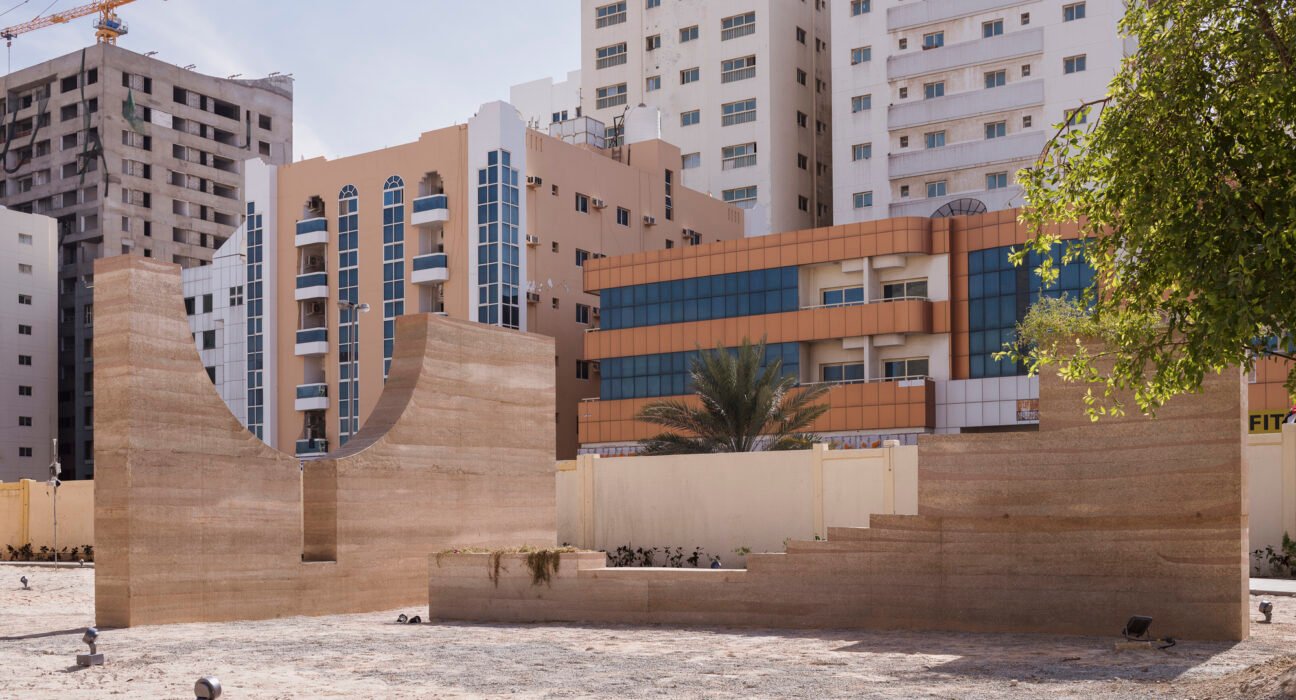
- Earth construction: Mud and rammed earth techniques are being revisited for their thermal performance, low embodied energy, and sculptural beauty.
- Reed architecture: Wetland cultures have long used reeds for shelter, screens, and lightweight structures that respond elegantly to local ecosystems.
- Thatch and plant fibers: Across Latin America and beyond, roofs made from leaves and fibers offer ventilation, insulation, and visual softness.
- Bamboo innovation: In South and Southeast Asia, bamboo continues to bridge traditional knowledge and modern structural ambition.
- Stone and dry construction: Enduring masonry traditions demonstrate how local materials can deliver both monumentality and ecological intelligence.
For luxury architecture, these examples suggest an exciting future: homes that are materially expressive, technically smart, and tied to regional identity rather than global sameness.
From Vernacular to Visionary: Designing the Future with Indigenous Principles
One of the most important themes in contemporary architecture news is that Indigenous building knowledge should not be reduced to aesthetics. Borrowing a thatched roof or earthen finish without understanding its cultural and environmental logic risks turning living traditions into surface-level style.
A more meaningful approach for architects and luxury designers includes:
- Designing with context first rather than imposing imported visual trends.
- Engaging local craftspeople and knowledge holders wherever possible.
- Using regional materials responsibly with attention to supply chains and regeneration.
- Valuing passive comfort as highly as technological convenience.
- Respecting cultural origins through research, collaboration, and attribution.
This is where luxury design can become more refined, not less. True exclusivity today increasingly comes from integrity—spaces that embody intelligence, restraint, and cultural resonance.
What This Means for Luxury Decor and Interiors
The influence of these ideas extends beyond structure. In luxury decor, ancestral constructive culture encourages interiors that feel layered, grounded, and sensory.
Expect to see greater appreciation for:
- Hand-finished clay or lime surfaces
- Natural woven partitions and ceiling treatments
- Sculptural timber joinery
- Locally quarried stone with visible character
- Textiles and objects that reflect regional making traditions
- Indoor-outdoor transitions that celebrate climate and landscape
For the luxury home sector, this approach supports a quieter and more confident aesthetic. Instead of polished excess, the emphasis shifts to atmosphere, craftsmanship, and emotional permanence.
The Broader Cultural Imperative Behind the Architecture News
Beyond design innovation, this conversation also carries ethical weight. Indigenous peoples around the world continue to face challenges tied to land rights, representation, and the protection of cultural knowledge. As architecture news increasingly spotlights ancestral technologies, it must also recognize the people and communities who sustain them.
That matters because the future of sustainable architecture will not be built by materials alone. It will be shaped by worldviews—especially those that understand land not as a commodity, but as a living relation. In an era defined by climate pressure and cultural homogenization, that may be the most luxurious idea of all: to build with humility, reciprocity, and belonging.
Conclusion
The clearest takeaway from today’s architecture news is that Indigenous building wisdom is not behind us—it is ahead of us. For luxury architecture, luxury design, and luxury home decor, ancestral constructive culture offers a richer path forward: one grounded in climate intelligence, material honesty, and deep connection to place. The most compelling homes of the future may not be those that dominate the landscape, but those that learn, quietly and beautifully, how to live within it.