Architecture news rarely captures heritage, craft, and urban resilience in one project as clearly as Assemble’s latest London venture. The celebrated collective is set to transform Bromley Hall, one of the city’s oldest surviving houses, into a new creative and light industrial hub that blends adaptive reuse with long-term support for makers, designers, and cultural producers.
Positioned at the intersection of luxury architecture, civic value, and design-led regeneration, the scheme will breathe new life into a Grade II*-listed Tudor manor while expanding London’s shrinking supply of affordable workspace. For a city under mounting pressure from redevelopment and rising land values, Bromley Hall represents more than a refurbishment project—it signals a strategic model for preserving both historic buildings and the communities that animate them.
Architecture News Spotlight: Why Bromley Hall Matters
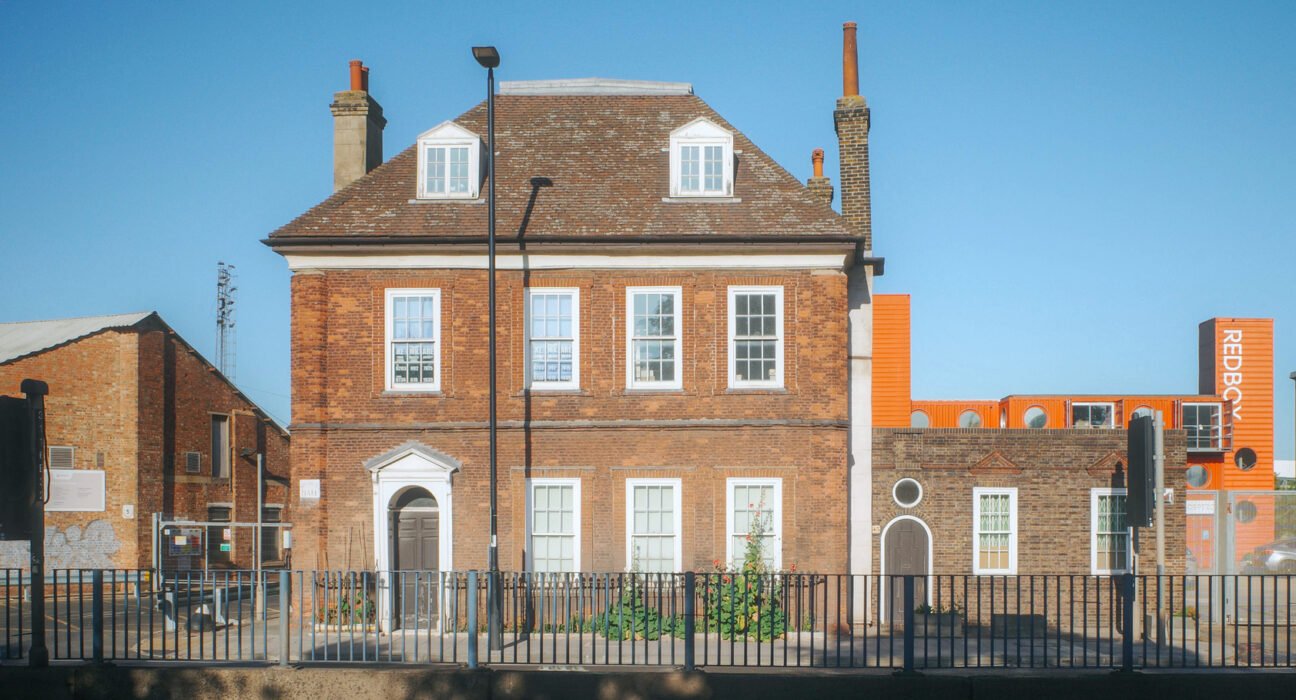
Bromley Hall is no ordinary restoration. The site includes three distinct buildings: Bromley Hall itself, dating largely from around 1485; the Old Poplar Library, built in the early 20th century; and the RedBox container structure. Together, they will form Assemble’s largest workspace project to date, adding around 14,000 square feet in the first instance, with long-term plans to double that provision.
For followers of architecture news, the project stands out for two reasons:
- It rescues a nationally significant listed building through adaptive reuse rather than static preservation.
- It creates practical, long-term infrastructure for London’s creative economy.
That combination is increasingly rare. Historic properties are often restored as private residences, boutique hospitality venues, or high-end commercial assets. Bromley Hall instead proposes a more public-minded future—one where heritage supports production, collaboration, and cultural access.
Assemble’s Model of Adaptive Reuse and Creative Industry Support
Since its founding in 2010, Assemble has built a reputation for hands-on, socially engaged design. Its work often merges architecture, making, art, and community development, and Bromley Hall fits squarely within that ethos. Through Assemble Workspace, the studio has already delivered multiple sites across the UK designed for creative and light industrial tenants.
Unlike polished office environments aimed at digital startups, these spaces are intentionally made for practical, experimental work. Tenants across Assemble’s existing portfolio have included fabricators, textile practitioners, furniture makers, food suppliers, and music-related enterprises. This emphasis on real production is a crucial point in current architecture news conversations, especially as cities risk losing the messy, functional spaces that sustain cultural ecosystems.
The Bromley Hall project also reflects a long-view development strategy. Assemble has secured a 25-year lease with an option to buy, creating a rare level of stability in a volatile property market. That framework helps protect tenants from the short-term pressures that often displace small businesses and craftspeople.
The Heritage Value of Bromley Hall
Part of what makes this story so compelling in architecture news is the building’s extraordinary history. Bromley Hall’s earliest structures date back to the 13th century, and over the centuries it has taken on a remarkable range of roles. It has reportedly served as a manor house, a hunting lodge, a military-related industrial site, a merchant retreat, missionary headquarters, a children’s hospital, and a calico printing works.
That layered past makes the hall especially suited to adaptive reuse. Rather than freezing the building in a single historical moment, the project continues its tradition of reinvention. This approach aligns with contemporary conservation thinking, which sees ongoing use as one of the most effective ways to preserve historic architecture.
A luxury lens on restoration
For readers interested in luxury architecture and luxury design, Bromley Hall offers a different kind of prestige. Its value lies not in excess, but in rarity, craftsmanship, and authenticity. Exposed historic fabric, careful retrofit strategies, and communal interiors such as the Blount Room may deliver a refined spatial experience rooted in narrative rather than ornament. In today’s design landscape, that form of understated cultural richness often resonates more deeply than conventional luxury finishes alone.
Why London Needs More Creative and Light Industrial Space
One of the most urgent dimensions of this architecture news story is the wider urban context. London is projected to lose a significant share of its already limited industrial floor space by 2041, placing increasing pressure on artists, makers, repair businesses, and small-scale manufacturers. As these users are priced out, cities lose not just jobs but material culture, local services, and pathways for emerging talent.
Bromley Hall addresses that challenge directly by prioritizing:
- Long-term rental stability
- Flexible spaces for loud, messy, and hands-on work
- Shared facilities for collaboration and community use
- Public programming tied to heritage and making
This is what elevates the project beyond a simple refurbishment. It functions as an urban strategy, using design and stewardship to hold space for creative production inside a global city.
The Three-Phase Plan for Bromley Hall
According to the announced roadmap, the transformation will unfold in three major stages.
Phase one: 2026 to 2029
Assemble and initial tenants will begin occupying the site while essential capital works are carried out. Early improvements will focus on communal areas, including the Blount Room and shared kitchen, helping establish the social heart of the project.
Phase two: 2029 to 2032
This period is expected to include the purchase of the site following fundraising efforts, along with more substantial construction works such as a new link building and expanded workspace provision.
Phase three: 2032 onward
The final stage will complete the development, fully tenant the site, and support a long-term program of exhibitions, workshops, and talks. Public access is central to the vision, with bookable rooms for both studio holders and the wider community at affordable non-commercial rates.
A New Benchmark in Architecture News for Community-Led Regeneration
In a year rich with London design headlines—from major museum relocations to high-profile cultural redevelopments—Bromley Hall stands apart because of its scale of care. This is not just about restoring a landmark; it is about creating an ecosystem where heritage conservation, creative labor, and public life reinforce one another.
For the luxury home, luxury decor, and luxury design audience, the project also reflects a broader shift in taste: toward meaningful spaces with embedded history, material honesty, and long-term social value. The most compelling environments today are often those that balance elegance with usefulness, and legacy with reinvention.
As far as architecture news goes, Bromley Hall is a powerful reminder that the future of cities may depend as much on what they choose to reuse as on what they build from scratch. If Assemble succeeds, this historic East London site could become a landmark model for adaptive reuse, cultural stewardship, and resilient creative infrastructure.