Architecture news rarely captures a shift in how people may actually want to live, but Lion Green Road in South London does exactly that. Awarded the RIBA Stirling Prize 2026, this thoughtful housing development shows how dense urban living can feel greener, calmer, and more refined without losing its social purpose.
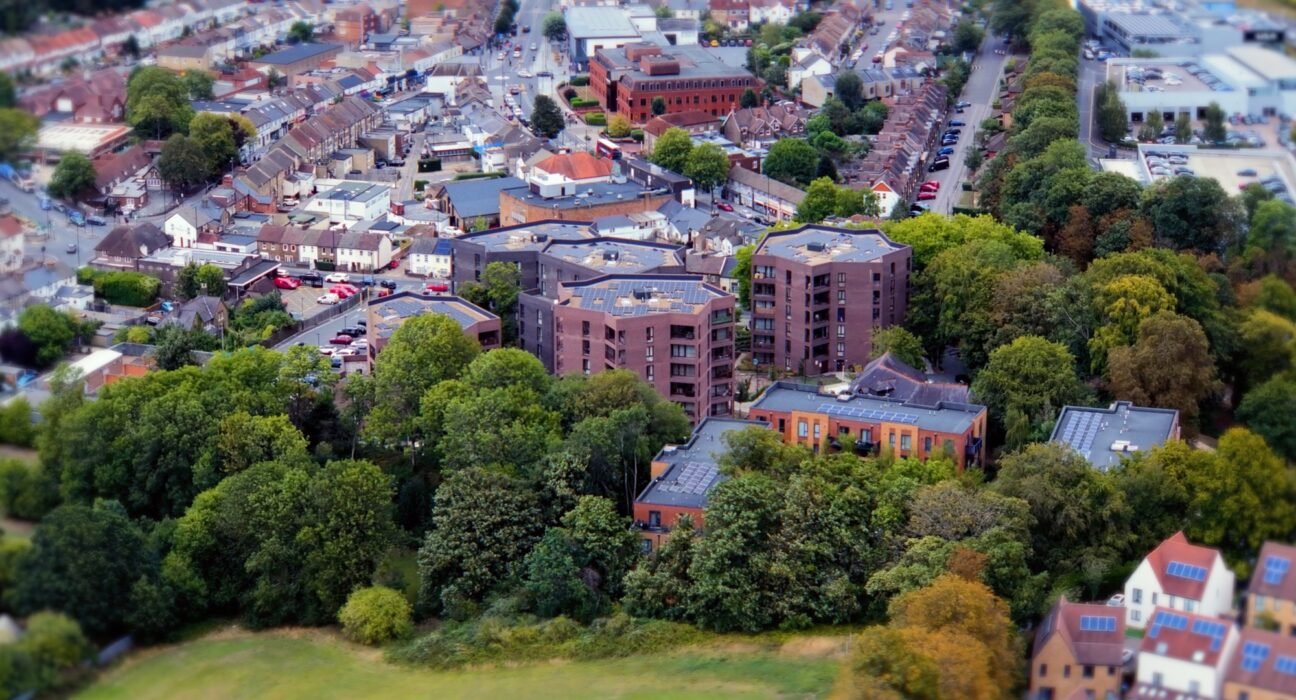
Designed by Mary Duggan Architects with RUFFARCHITECTS for Croydon Council, Lion Green Road transforms a former car park in Coulsdon into a carefully composed residential community. The scheme delivers 157 homes across five blocks, combining private ownership and social rent in a single development that places landscape, daylight, and neighborhood connection at the center of its design. For readers following luxury architecture, luxury design, and the future of the luxury home, this project offers a compelling lesson: quality of life is increasingly defined by planning intelligence, material warmth, and meaningful outdoor space.
Architecture News: Why Lion Green Road Matters
In the world of architecture news, the Stirling Prize is one of the profession’s most influential honors. Presented annually by the Royal Institute of British Architects, it recognizes a building that makes a significant contribution to architecture and the built environment. The 2026 award, announced during the prize’s 30th anniversary celebration in London, signals a growing appreciation for housing that is both ambitious and humane.
What sets Lion Green Road apart is not spectacle, but precision. The development accommodates roughly 635 residents on a sloping suburban site with an eight-meter change in level. Instead of flattening the terrain or forcing a standard street layout, the architects worked with the land itself. The result is a neighborhood that feels integrated with its setting rather than imposed upon it.
This is the kind of architecture news that resonates well beyond the profession because it addresses issues many cities face:
- How to build at higher density without sacrificing privacy
- How to blend social and private housing with dignity
- How to create community through landscape design
- How to reduce environmental impact through efficient construction
A Housing Development Shaped by Topography and Landscape
One of the most striking aspects of Lion Green Road is how the five residential blocks respond to the site’s natural slope. Their positioning and rotation were guided by views, levels, and the surrounding green context, including a surviving fragment of the historic Surrey Iron Railway. This approach turns a challenging plot into an asset.
Rather than creating a closed, inward-looking estate, the architects organized the development as a “living landscape.” A new public pathway links the street to nearby parkland, helping the scheme function as part of a larger civic environment. That move is especially significant in current architecture news, where permeability and public access are increasingly seen as markers of successful placemaking.
Design Features That Elevate Everyday Living
The project’s appeal lies in a series of carefully judged decisions:
- Varied massing: The blocks share the same construction logic but differ in height and orientation, giving the development rhythm and visual balance.
- Brick craftsmanship: Three brown brick tones connect the buildings to the surrounding landscape, while changes in brickwork patterns give each block its own identity.
- Outdoor amenities: Children’s play spaces, residents’ allotments, and a sensory trail encourage everyday social interaction.
- Public connection: The landscaped route invites both residents and neighbors to move through the site.
For audiences interested in luxury decor and luxury home decor, there is an important takeaway here: elegance does not always come from opulence. Sometimes it comes from restraint, texture, and a strong relationship between architecture and nature.
Inside the Homes: Privacy, Light, and Livability
Another reason this project stands out in architecture news is the quality of the homes themselves. Each apartment is designed with a dual-aspect layout, bringing in daylight from more than one direction and offering broader views. In dense housing, this kind of planning can dramatically improve comfort and well-being.
Balconies are also positioned with care to reduce direct overlooking between neighboring homes. That means the buildings can sit relatively close together while still preserving privacy and private outdoor space. It is a sophisticated answer to one of contemporary housing design’s biggest challenges: how to create density that does not feel compressed.
Key Residential Advantages
- Better natural light through dual-aspect planning
- Improved ventilation and a stronger connection to outdoors
- Enhanced privacy through balcony placement
- Views that make smaller urban homes feel more expansive
These qualities align with what many buyers and designers now value in both the luxury home and broader residential market: wellness, flexibility, and emotional comfort.
Sustainability and Material Simplicity in Architecture News
Sustainability is another core reason Lion Green Road has earned such recognition. The project incorporates efficient construction methods, simple finishes, and a streamlined building process aimed at reducing carbon emissions. The landscape strategy also supports biodiversity and existing wildlife, extending the environmental thinking beyond the buildings themselves.
This matters because the most important architecture news today is no longer just about iconic forms. It is about how architecture performs socially and environmentally over time. Lion Green Road suggests that future-forward design can emerge from modest materials, smart planning, and a commitment to long-term livability.
For the luxury design sector, that message is especially relevant. High-end design is increasingly moving toward sustainable materials, timeless detailing, and spaces that feel restorative rather than excessive. In that sense, Lion Green Road reflects a wider design culture shift.
What the Stirling Prize 2026 Says About the Future of Housing
The 2026 shortlist included major names and diverse project types, from cultural buildings to private houses and large urban developments. Lion Green Road’s win sends a clear message: housing, when designed with care and imagination, can lead the architectural conversation.
This moment in architecture news underscores a broader evolution in the industry. Awards are increasingly recognizing projects that improve daily life, strengthen communities, and respond intelligently to place. Lion Green Road succeeds not because it is flashy, but because it is deeply resolved.
It demonstrates that suburban housing can be architecturally ambitious, socially inclusive, and visually refined all at once. That is a powerful standard for councils, developers, architects, and homeowners alike.
Conclusion
As a standout story in architecture news, Lion Green Road’s Stirling Prize win is more than a celebration of one project. It is a sign that the future of residential design lies in landscape-led planning, human-centered homes, and sustainable construction that respects both people and place.
For anyone interested in luxury architecture, luxury home trends, or the direction of modern housing, the takeaway is clear: the most influential design is no longer defined only by prestige, but by how beautifully it supports everyday life.