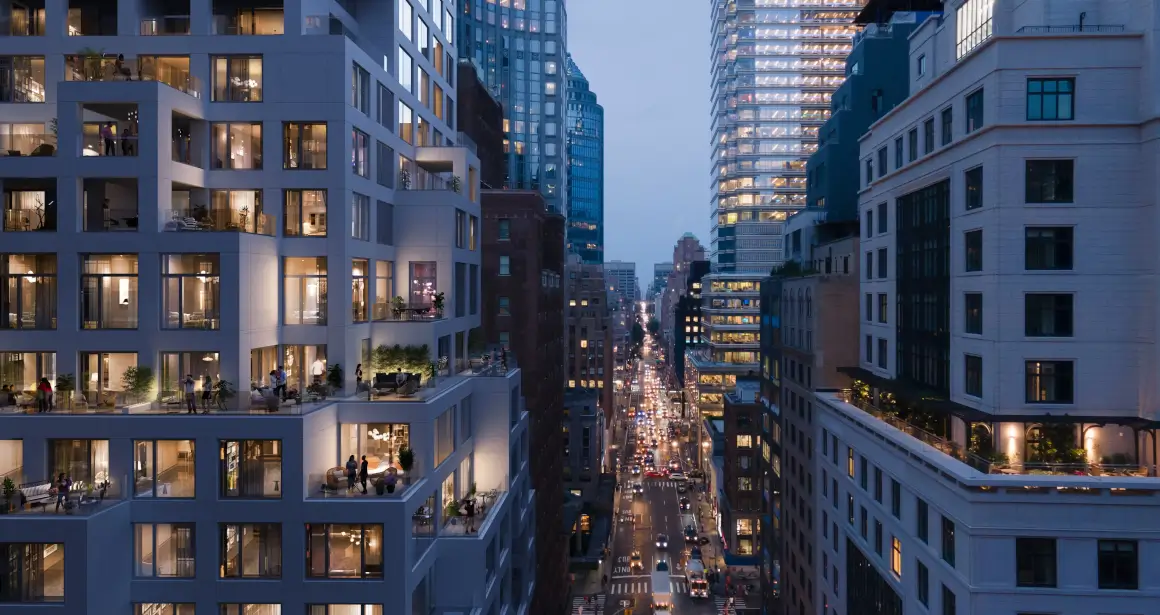
In a city defined by density, creating a sense of community in the sky is one of the biggest challenges in residential design. Malabar Residences by ODA answers that challenge with a fresh vision of iconic architecture, transforming a Midtown Manhattan site into what the firm describes as a vertical neighborhood.
Positioned at the intersection of luxury living, urban innovation, and human-centered planning, the project stands out for more than its striking silhouette. It rethinks how residents experience privacy, outdoor space, shared amenities, and connection in one of the world’s most intense urban environments. For readers exploring the future of luxury architecture and elevated city living, Malabar Residences offers a compelling case study in how high-rise design is evolving.
Malabar Residences and the Future of Iconic Architecture
ODA has built a reputation for pushing beyond conventional tower design, and Malabar Residences continues that trajectory. Rather than treating the building as a sealed vertical stack of apartments, the concept introduces a more layered residential experience. The architecture breaks away from the anonymous glass tower model and instead emphasizes terraces, setbacks, and communal moments that create a stronger relationship between residents and the city around them.
This approach is a major reason the project resonates as iconic architecture. It is not iconic simply because it looks dramatic on the skyline, but because it proposes a new urban living model. In a luxury market where buyers increasingly want both exclusivity and meaningful lifestyle design, that distinction matters.
A Vertical Neighborhood, Not Just a Tower
The idea of a vertical neighborhood suggests more than height. It implies a building organized around interaction, variety, and comfort, much like a well-planned urban district. At Malabar Residences, that concept appears through the integration of private and shared outdoor zones, dynamic massing, and spaces designed to encourage a sense of belonging.
- Layered outdoor terraces that bring light and air deeper into the structure
- Residential layouts that balance privacy with community access
- A sculptural building form that avoids monotony
- A design language tailored to contemporary luxury lifestyles
For buyers and design observers alike, this makes the project more than a premium address. It becomes an example of how iconic architecture can shape daily life, not just visual identity.
Why ODA’s Design Language Feels Distinctive
What separates ODA from many residential architects is its willingness to question standard development formulas. In Manhattan, where zoning constraints and real estate pressures often produce repetitive forms, innovation requires both creativity and precision. Malabar Residences appears to draw on both.
The building’s form likely uses strategic setbacks and volumetric articulation to create rhythm, openness, and multiple vantage points. These moves are not purely aesthetic. They can improve daylight access, increase the usability of outdoor areas, and give residents a greater sense of individuality within a larger structure.
That combination of performance and expression is central to today’s iconic architecture. It reflects a broader design shift in which beauty must be matched by livability, sustainability, and emotional value.
Luxury Architecture That Prioritizes Experience
Luxury towers once competed largely on finishes, views, and exclusive amenities. Those features still matter, but top-tier residential design now goes further. It considers how people move through a building, where they gather, and how architecture supports well-being.
Malabar Residences aligns with this newer definition of luxury by focusing on experiential design. In practical terms, that may include:
- Outdoor living spaces that feel rare and usable in a dense urban setting
- Shared amenity zones that encourage social interaction without sacrificing privacy
- Architectural massing that gives more residences unique spatial qualities
- A stronger visual and physical connection to Midtown Manhattan
For readers interested in luxury home trends, this project reflects a market-wide demand for residences that function as lifestyle ecosystems rather than simple investment assets.
How Midtown Manhattan Shapes the Project
Location is inseparable from architecture, especially in New York. Midtown Manhattan brings intensity, prestige, connectivity, and global visibility. Designing a residential project here means responding to a highly compressed urban context while still delivering calm, comfort, and distinction.
That tension is where Malabar Residences becomes especially interesting. The project’s vertical neighborhood concept suggests an effort to soften the pressures of city living by carving out moments of openness and retreat. In that sense, the building contributes to a growing conversation around urban residential design: how can architecture create sanctuary without disconnecting from the energy of the metropolis?
The answer, increasingly, lies in iconic architecture that is as thoughtful as it is visually bold. Towers must serve their skyline role, but they also need to support the mental and social needs of residents.
A Strong Fit for Luxury Design and Decor Audiences
Although the architecture is the headline, projects like this also influence interiors, material palettes, and high-end residential decor trends. Buildings organized around terraces, framed views, and layered communal spaces often inspire a more curated interior approach—one that values texture, warmth, natural light, and seamless indoor-outdoor transitions.
For followers of luxury design and luxury decor, Malabar Residences signals the continued rise of residential environments where architecture and interiors are conceived as one coherent experience.
Why Malabar Residences Matters Now
The significance of Malabar Residences goes beyond a single development. It captures several major shifts happening across global residential architecture:
- High-rise living is becoming more community-driven
- Outdoor space is now a core luxury requirement
- Developers are seeking differentiated forms rather than generic towers
- Design prestige increasingly depends on resident experience
These themes are shaping the next chapter of urban housing, particularly in prime neighborhoods where land is limited and expectations are high. Projects that embody iconic architecture in this broader sense are likely to define the market moving forward.
For architects, developers, and luxury buyers, Malabar Residences offers a valuable reference point: a building can be ambitious, expressive, and commercially desirable while still addressing the human need for connection and spatial richness.
Conclusion
Malabar Residences by ODA presents a sophisticated vision for city living, one where density does not come at the expense of community, comfort, or design identity. By translating the idea of a neighborhood into a vertical residential format, the project demonstrates how iconic architecture can do more than shape a skyline—it can reshape the experience of home in the heart of Midtown Manhattan.
As luxury residential expectations continue to evolve, developments like this point to the future: more outdoor integration, more thoughtful amenity planning, and more architecture that puts people first. For anyone watching the next wave of urban luxury, Malabar Residences is a project worth following.