In major architecture news, the Museum of Modern Art has named Kashef Chowdhury/URBANA the first winner of the Ambasz–MoMA Annual Prize for Nature–Reconciled Architecture. The honor places a global spotlight on the Friendship Centre in Bangladesh, a quietly powerful project that shows how refined design, environmental intelligence, and community care can coexist at the highest level.
For readers interested in luxury architecture, luxury home thinking, and design with lasting cultural value, this award matters far beyond the museum world. It signals a broader shift: true architectural prestige is increasingly tied not only to beauty and innovation, but also to ecological sensitivity, local craftsmanship, and resilience.
Architecture News: Why MoMA’s New Prize Matters
This piece of architecture news marks the launch of what MoMA describes as the largest award dedicated to a single architecture project. The Ambasz–MoMA prize recognizes built work from anywhere in the world completed within the last 30 years, provided it offers an exemplary response to one of architecture’s biggest contemporary challenges: repairing its relationship with nature.
The 2026 award comes with a $200,000 purse shared between the architect and Fundación Gran Chaco, a nonprofit based in Formosa, Argentina. In a meaningful extension of the prize’s mission, part of the recognition supports tree planting in the Gran Chaco forest in the name of the Friendship NGO, the project’s client. That gesture turns architecture news into environmental action, reinforcing the prize’s emphasis on real-world impact.
The award is named for Emilio Ambasz, the Argentine-American architect and designer whose long relationship with MoMA helped shape dialogues around design, ecology, and the built environment. His support also established the Emilio Ambasz Institute for the Joint Study of the Built and the Natural Environment, an initiative dedicated to research, public programs, and new ways of understanding the link between architecture and nature.
The Friendship Centre: A Masterclass in Place-Responsive Design
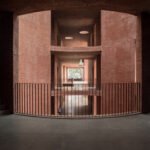
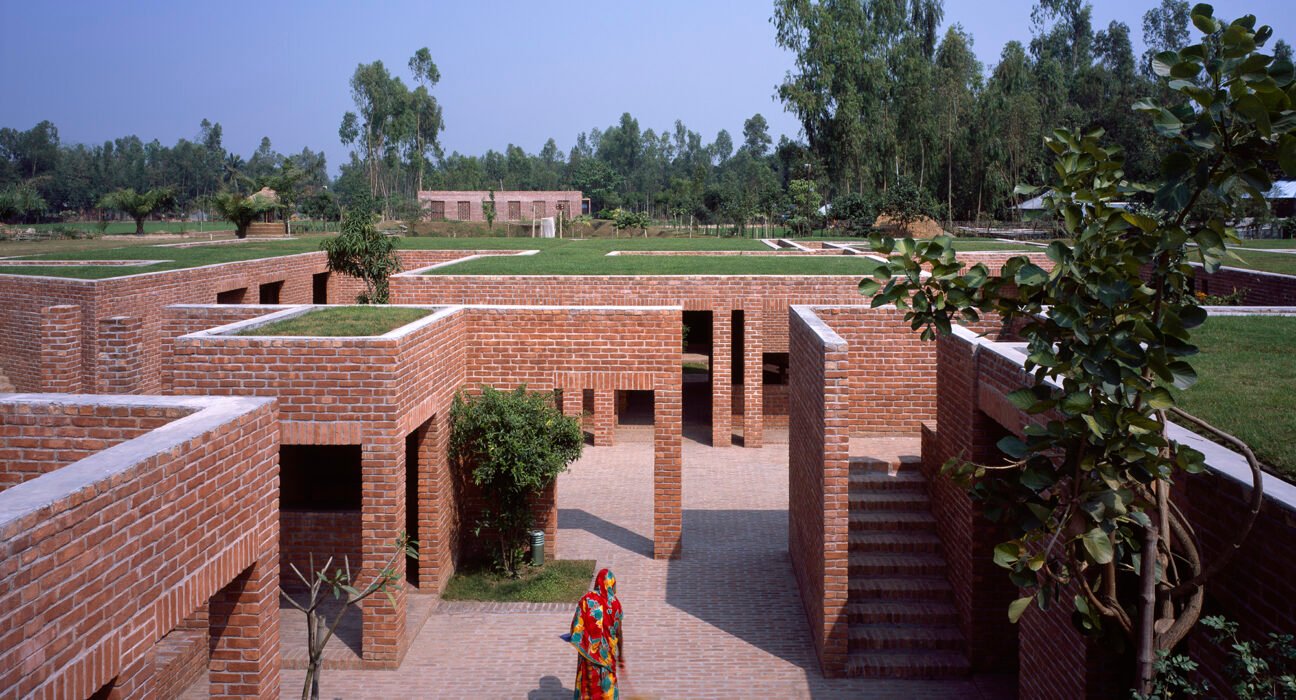
At the heart of this architecture news is the Friendship Centre, completed in 2011 in Gaibandha, Bangladesh. Designed as a rural training and meeting facility, the project serves communities in the flood-prone Jamuna River delta, a landscape defined by climatic pressure, hydrological uncertainty, and fragile ecological balance.
Instead of imposing a monumental object on the site, Kashef Chowdhury/URBANA developed a low-slung, deeply grounded composition that appears to emerge from the land itself. The project includes:
- Administrative offices
- Classrooms and meeting spaces
- A library
- Meditation areas
- Dormitories
- Dining facilities
These functions are arranged across two main blocks in a layout inspired by Mahasthangarh, one of Bangladesh’s oldest archaeological sites. The design references historical spatial logic while introducing contemporary sustainable architecture strategies that improve comfort and performance.
How the Building Responds to Climate and Landscape
The Friendship Centre’s brilliance lies in its restraint. Rather than relying on flashy green technology, the building uses passive design and locally rooted construction methods to respond to environmental realities.
Key features include:
- A compacted earthen embankment that helps protect against flooding
- Construction set directly on the original low-lying ground
- Handcrafted local clay brickwork based on regional building traditions
- Green roofs that soften heat gain and visually merge with the landscape
- Open-air courtyards that encourage airflow and contemplative use
- Interconnected rainwater harvesting pools that help cool the complex naturally
This is the kind of architecture news professionals pay close attention to because it offers a replicable model for climate-responsive design. The project does not chase spectacle. Instead, it demonstrates how economy of means can create spatial richness, dignity, and long-term utility.
What Luxury Architecture Can Learn From This Award
Although the Friendship Centre is not a luxury home in the conventional sense, it offers lessons that resonate strongly across luxury design, luxury decor, and luxury home decor conversations. Today’s most forward-looking clients increasingly value spaces that feel calm, enduring, site-specific, and responsibly made.
That is precisely what this project delivers.
In the luxury architecture sector, the definition of excellence is evolving. Beyond rare materials and signature forms, distinction now comes from:
- Authenticity: Buildings that belong to their setting rather than dominate it
- Craft: Thoughtful use of local materials and artisanal techniques
- Environmental intelligence: Passive cooling, water management, and low-impact construction
- Timelessness: Forms and spaces rooted in cultural memory, not passing trends
- Human experience: Architecture that enhances daily life through light, proportion, shade, and silence
For designers working in high-end residential interiors or bespoke homes, this architecture news is a reminder that luxury is increasingly about atmosphere and stewardship. A shaded courtyard, tactile masonry, or a water-cooled microclimate can express sophistication as powerfully as imported stone or dramatic glazing.
Why the Jury Chose Kashef Chowdhury/URBANA
The selection process was rigorous. The Friendship Centre was chosen from nearly 140 international projects identified through research by the Ambasz Institute and nominations from 30 experts across multiple world regions.
The jury included representatives from MoMA’s Department of Architecture and Design alongside acclaimed external voices Shelley McNamara of Grafton Architects and Wang Shu of Amateur Architecture Studio. Projects were assessed for creative engagement with the natural environment, conceptual rigor, and alignment with the institute’s mission.
This architecture news also underscores the growing influence of socially responsive architecture on the global awards circuit. The Friendship Centre has served its community for 14 years, yet its conceptual roots reach back more than two millennia through its dialogue with ancient settlement patterns and flood-protection wisdom.
A Broader Turning Point in Architecture News
The recognition of the Friendship Centre arrives at a moment when the design world is reassessing value. Awards increasingly celebrate renovation, preservation, ecological repair, and cultural continuity alongside formal invention. In that context, MoMA’s decision feels both timely and influential.
For architects, developers, and luxury homeowners alike, the message is clear: the future belongs to projects that are as responsible as they are beautiful. Great design is no longer measured only by visual impact, but by how intelligently it works with climate, land, memory, and community.
The award ceremony will take place at MoMA on December 12, 2026, formally honoring Kashef Chowdhury/URBANA and Fundación Gran Chaco. Expect this architecture news to spark deeper discussion across sustainable architecture, landscape-led planning, and the future of meaningful luxury design.
In the end, the most important takeaway from this architecture news is simple: architecture reaches its highest form when it reconciles ambition with humility, and elegance with ecology. The Friendship Centre stands as a compelling example of how design can be both globally significant and profoundly grounded in place.