
Architecture news rarely captures the imagination quite like an event that promises to leave a real, enduring mark on a historic city. The announcement of Bukhara Biennial 2027 does exactly that, positioning the upcoming edition as more than an exhibition: it is a cultural and design initiative focused on lasting public works in one of Central Asia’s most storied urban settings.
Set in Bukhara, a city celebrated for its architectural heritage, the 2027 biennial introduces a theme that signals long-term ambition rather than temporary spectacle. Instead of centering only on short-lived installations, the event is shaping a program around public-facing works with permanence, civic value, and cultural resonance. For readers following luxury architecture, luxury design, and elevated approaches to placemaking, this is one of the most compelling developments in global architecture and art today.
Bukhara Biennial 2027 Brings a New Direction to Architecture News
What makes this announcement stand out in architecture news is its commitment to durability. Biennials are often associated with ephemeral pavilions, conceptual displays, and installations that disappear when the event closes. Bukhara Biennial 2027 appears to be taking a different route by emphasizing works that can continue to shape public life after the international spotlight fades.
That decision aligns with a broader shift across architecture, urban design, and cultural programming. Increasingly, cities and institutions are asking important questions:
- How can major cultural events create long-term civic benefit?
- Can public art and architecture improve everyday life rather than simply attract visitors?
- What does meaningful cultural investment look like in a heritage-rich urban environment?
By framing the biennial around lasting public works, Bukhara enters these conversations with unusual clarity. The event has the potential to merge contemporary creative practice with urban stewardship, making it significant not only for the art world but also for architects, designers, and developers watching global trends.
Why Bukhara Is the Ideal Setting
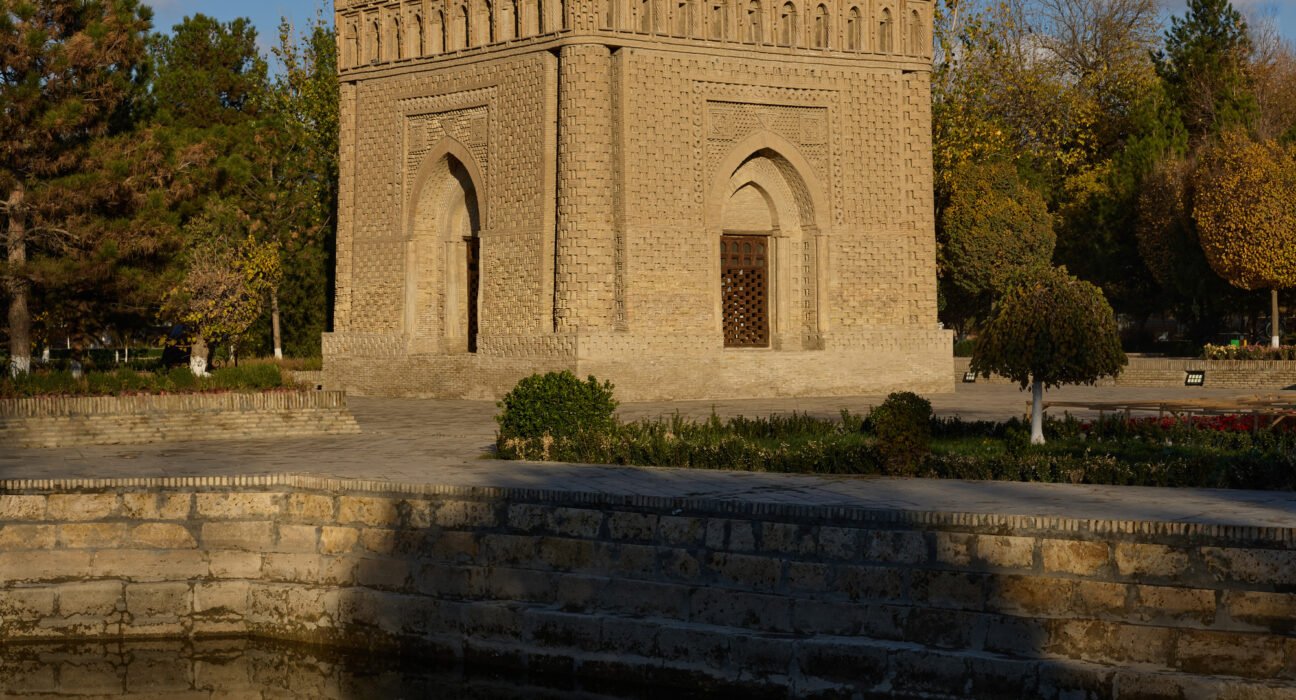
Bukhara is not an interchangeable host city. It is a place where layers of history are visible in the built environment, and where architecture is inseparable from identity. That context matters. In the world of architecture news, projects gain greater meaning when they respond to a city with a distinct cultural and spatial legacy.
A biennial in Bukhara carries several advantages:
- Historic depth: The city offers a powerful architectural backdrop shaped by centuries of craftsmanship, trade, and cultural exchange.
- Urban character: Public works introduced here must engage with real streets, real communities, and a highly legible civic fabric.
- Global relevance: Bukhara’s heritage allows the biennial to connect local identity with international artistic and architectural discourse.
For luxury-focused audiences, there is another layer of interest. Bukhara represents a model of richness not defined only by opulence, but by material culture, artisanal tradition, and enduring beauty. That makes the city especially relevant to luxury decor and luxury home decor conversations, where authenticity and craftsmanship increasingly matter as much as visual impact.
Lasting Public Works and the Future of Cultural Design
The biennial’s emphasis on permanence reflects an important evolution in cultural design. In premium architecture circles, the most admired projects today are often those that balance aesthetic ambition with public usefulness. This is where the Bukhara Biennial 2027 theme becomes especially timely in architecture news.
Lasting public works can take many forms, including:
- Architectural interventions that improve civic spaces
- Landscape and environmental design projects
- Artist-led structures or installations intended for long-term use
- Community-centered spaces that support gathering, reflection, or education
Such work has the power to transform a biennial from a calendar event into an urban legacy project. It also creates a more sophisticated relationship between art and architecture, one that values function, memory, and everyday experience.
For professionals in luxury design, there is a lesson here as well. The future of prestige is increasingly connected to permanence. Whether in a luxury home, a hospitality space, or a civic setting, thoughtful design now carries more value when it lasts, ages well, and contributes meaningfully to place.
Why the First Artist Announcements Matter
Early artist announcements are always closely watched, and this is particularly true in major architecture news cycles surrounding biennials. The first names attached to an event often reveal its tone, scale, and curatorial direction. Even before the full program is unveiled, those selections begin to define expectations.
In the case of Bukhara Biennial 2027, the first artists signal that the edition aims to build substance around its theme. Rather than relying solely on spectacle, the biennial appears focused on contributors capable of engaging with context, public space, and legacy. That approach raises the profile of the event among architects, collectors, cultural travelers, and design-conscious audiences alike.
From a luxury architecture perspective, this matters because the most influential design events now function as laboratories for long-term ideas. They influence hospitality design, residential materials, artisan collaborations, and even the way premium brands think about public engagement.
What This Means for Luxury Architecture and Design
Although the biennial is rooted in public works, its influence could reach far beyond civic space. The best architecture news stories often ripple across sectors, and Bukhara Biennial 2027 has all the ingredients to do that.
1. A renewed focus on craftsmanship
Bukhara’s historic identity invites contemporary creators to engage with texture, ornament, material intelligence, and traditional making. These are key themes in luxury home and luxury decor trends.
2. A shift from temporary to enduring value
In both architecture and interiors, clients increasingly want spaces that feel timeless rather than trend-driven. The biennial’s concept reinforces that movement.
3. Stronger ties between culture and real estate vision
Developers and designers are paying closer attention to how cultural programming shapes the desirability of a place. Enduring public works can elevate a city’s profile in a way temporary events rarely can.
4. A broader definition of luxury
Luxury is no longer only about exclusivity. It is also about legacy, authenticity, and connection to place. This biennial embodies that more mature design philosophy.
Why Bukhara Biennial 2027 Deserves Attention Now
Major global events are often discussed only when they open, but the early phase is when their deeper ambitions become visible. In this case, the announcement already stands out in architecture news because it frames the biennial as a city-making exercise rather than a temporary showcase.
That is a meaningful distinction. If successfully realized, Bukhara Biennial 2027 could become a benchmark for how art, architecture, and urban heritage intersect. It may also offer a fresh model for cultural events in historic cities: one based on respect, permanence, and design that continues to serve the public long after the opening crowds have gone.
For anyone tracking global design trends, this is a story worth following closely. Architecture news often highlights what is new, but the most important projects are the ones that endure. Bukhara Biennial 2027, with its focus on lasting public works, has the potential to show exactly what that future can look like.