
Architecture news rarely feels as culturally layered and future-facing as the announcement of Bukhara Biennial 2027. Set in one of Central Asia’s most historically resonant cities, the upcoming edition signals a powerful shift away from temporary spectacle and toward enduring public works that can shape civic life long after the event ends.
For readers interested in luxury architecture, luxury design, and sophisticated place-making, Bukhara Biennial 2027 is more than an art world headline. It represents a broader movement in which architecture, craft, urban identity, and public space converge to create meaningful, permanent interventions. That ambition makes this one of the most compelling stories in contemporary architecture news.
Bukhara Biennial 2027 Puts Lasting Public Works at the Center of Architecture News
The core idea behind the biennial is striking: instead of producing installations designed to disappear after a few months, Bukhara Biennial 2027 is positioning itself around works meant to remain. This approach aligns with a growing international conversation in architecture news about legacy, sustainability, and the social value of design.
In practical terms, that means the biennial is expected to support projects that engage directly with the city’s public realm. In a place as architecturally significant as Bukhara, any new intervention must respond carefully to heritage, material culture, and the rhythms of everyday urban life. The result could be a rare model for how cultural programming can leave behind permanent benefits rather than temporary consumption.
This framework also elevates the biennial beyond a standard exhibition format. It becomes a platform for urban transformation, where design is measured not only by visual impact but by usefulness, durability, and civic meaning.
Why Bukhara Matters in Global Architecture News
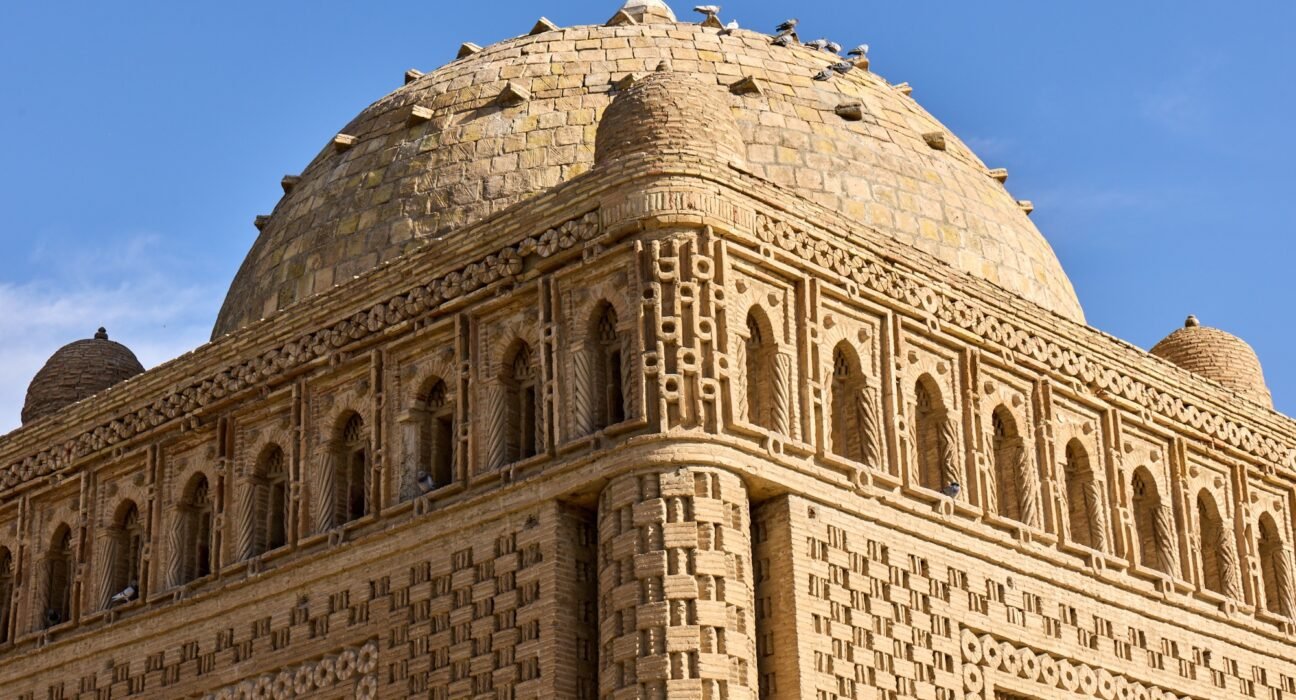
Bukhara occupies a special place in the architectural imagination. Known for its historic urban fabric, monumental religious structures, courtyards, domes, and layered Silk Road heritage, the city offers a setting where contemporary creativity must negotiate with deep history. That tension is exactly what makes the biennial so relevant in today’s architecture news cycle.
Rather than treating heritage as a static backdrop, the event has the potential to frame Bukhara as an active laboratory for design innovation. This matters for several reasons:
- Cultural continuity: New public works can extend local traditions instead of overshadowing them.
- Urban value: Permanent interventions may improve shared spaces for residents and visitors alike.
- Design diplomacy: The biennial creates a meeting point between international artists, architects, and regional craft histories.
- Luxury relevance: For audiences in luxury architecture and luxury home decor, it highlights the enduring appeal of craftsmanship, materials, and timeless form.
In an age of fast imagery and disposable cultural moments, Bukhara offers a more grounded design narrative. That alone makes it stand out in international architecture news.
The First Artists Signal an Ambitious Curatorial Direction
The announcement of the first participating artists suggests that Bukhara Biennial 2027 is aiming for intellectual depth as well as visual power. While early artist lists always invite speculation, they also serve an important curatorial role: they indicate the themes, methods, and cultural questions likely to shape the edition.
For an event centered on lasting public works, artist selection is especially important. Participants must be able to think beyond the gallery model and engage with architecture, site conditions, and public use. This widens the conversation from fine art into spatial practice, making the biennial especially relevant to professionals who follow architecture news, urban design, and contemporary placemaking.
The most successful contributors will likely be those who can balance several priorities at once:
- Respect for Bukhara’s historic environment
- Innovation in material and spatial expression
- Public accessibility and civic usefulness
- Long-term maintenance and relevance
That blend of ambition and responsibility is what gives the project its broader significance.
What This Means for Luxury Architecture and Design Audiences
Although a biennial is a public cultural event, its ideas strongly resonate with the luxury sector. High-end architecture and luxury decor increasingly emphasize authenticity, artisanal making, and spaces with emotional permanence. Bukhara Biennial 2027 reflects those same values on an urban scale.
Enduring materials over short-term trends
Luxury design is moving toward stone, timber, ceramic, metalwork, and hand-finished surfaces that age beautifully. A biennial devoted to permanent public works naturally speaks this language.
Craft as a marker of sophistication
Bukhara’s heritage invites attention to regional craftsmanship, ornament, and material intelligence. For luxury home and luxury home decor audiences, this reinforces a major design lesson: true refinement often comes from depth of making, not excess.
Place-based design as the new status symbol
One of the clearest shifts in architecture news is the move away from generic global aesthetics. Today, the most admired projects are rooted in context. Bukhara Biennial 2027 embodies that principle by linking contemporary work to a specific cultural and urban setting.
A New Model for Biennials in Architecture News
Many biennials are remembered for memorable images, provocative concepts, or star participants. Fewer are judged by what they leave behind. Bukhara Biennial 2027 appears determined to redefine that equation.
If successful, it could become a model for future events by proving that cultural exhibitions can do more than animate a city for a season. They can contribute to infrastructure, public beauty, and shared identity. That is an especially important idea in contemporary architecture news, where the best projects are increasingly evaluated through their social and environmental impact.
Key questions to watch as the biennial develops include:
- How will the final public works integrate with historic fabric?
- What role will local communities and craftspeople play?
- How will permanence be balanced with artistic experimentation?
- Can the event establish a durable cultural legacy for Bukhara?
The answers will determine whether this is simply a strong curatorial concept or a landmark moment in international design culture.
Conclusion: Why Bukhara Biennial 2027 Deserves Attention
In a crowded stream of global architecture news, Bukhara Biennial 2027 stands out for its commitment to lasting public works, cultural continuity, and meaningful urban legacy. By focusing on permanence rather than ephemerality, the biennial points toward a richer future for architecture, art, and public space.
For anyone tracking luxury architecture, luxury design, and the evolution of thoughtful place-making, this is a story worth following closely. Bukhara Biennial 2027 is not just another headline in architecture news; it is a compelling reminder that the most powerful design interventions are often the ones built to endure.