
In a cultural moment often dominated by temporary installations and fast-moving spectacle, Bukhara Biennial 2027 is taking a more enduring path. This major piece of Architecture news signals a bold shift toward public works designed to remain, resonate, and reshape how cities connect art, craft, and civic life.
Set in the historic Uzbek city of Bukhara, the upcoming biennial has announced its theme along with its first participating artists, framing the 2027 edition around the idea of permanence rather than ephemerality. For readers interested in luxury architecture, luxury design, and meaningful place-making, the biennial offers far more than an art-world update: it presents a compelling model for how cultural events can leave behind real architectural and social value.
Bukhara Biennial 2027 and Why It Matters in Architecture News
The announcement of Bukhara Biennial 2027 stands out in today’s Architecture news because it challenges the conventional biennial format. Rather than focusing primarily on temporary pavilions or short-lived exhibitions, this edition emphasizes lasting public works—projects intended to remain part of the urban fabric long after the event concludes.
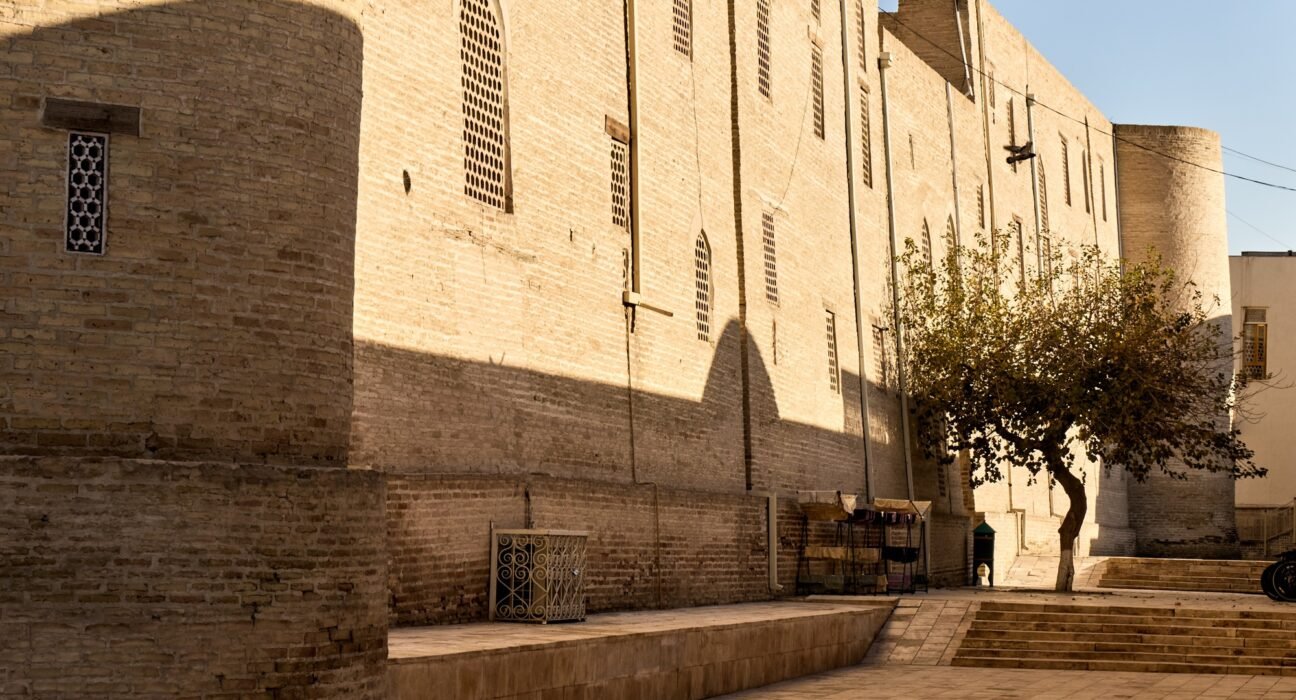
That approach is especially significant in a city like Bukhara, known for its extraordinary architectural heritage, layered history, and urban identity shaped by trade, craftsmanship, and cultural exchange. By inviting artists to contribute durable public interventions, the biennial appears poised to create a dialogue between heritage conservation and contemporary design.
In practical terms, this means the event could influence conversations around:
- Public space design and civic improvement
- Artistic collaboration with architects and artisans
- Long-term cultural investment instead of temporary spectacle
- Urban regeneration rooted in local identity
- Sustainable design strategies through permanence and reuse
For followers of Architecture news, it is a reminder that the most forward-thinking projects are not always the most futuristic in appearance; often, they are the ones that strengthen a city’s lasting relationship with its people.
A Theme Built Around Permanence, Place, and Public Value
At the heart of this Architecture news story is a theme that elevates public works as enduring cultural assets. That idea resonates strongly across architecture, landscape design, urban planning, and luxury living trends, where there is growing interest in spaces that combine beauty with legacy.
Public works in this context should not be understood simply as monuments. They may include gathering spaces, site-responsive installations, crafted structures, gardens, shaded courtyards, or architectural interventions that enrich daily life. The key distinction is that they are conceived to last—and to serve the public realm.
This makes the Bukhara Biennial especially relevant to design audiences because it bridges several priorities at once:
- Cultural continuity: New works can honor local traditions without freezing the city in the past.
- Material intelligence: Lasting projects demand careful choices in stone, brick, timber, ceramics, and other durable materials.
- Luxury through craftsmanship: In high-end design, true luxury increasingly lies in artisanal quality, longevity, and narrative depth.
- Community impact: Public-facing works can add everyday value rather than serving only elite audiences.
Seen through this lens, the biennial is not merely an exhibition program. It is an experiment in how contemporary culture can produce permanent spatial contributions.
The Role of the First Announced Artists
Although the full roster and project details are still unfolding, the announcement of the first artists already adds momentum to this important piece of Architecture news. Early artist selections in biennials often signal the intellectual and aesthetic direction of the event, and in this case they suggest a cross-disciplinary framework rather than a narrow curatorial lane.
That matters because enduring public works typically require more than artistic concept alone. They demand collaboration among visual artists, architects, local makers, engineers, planners, and community stakeholders. In a city with Bukhara’s heritage richness, those collaborations may become some of the most fascinating outcomes of the biennial itself.
Expect close attention to:
- Site-specific responses to Bukhara’s historic urban landscape
- Craft traditions and local material culture
- Climate-sensitive design suitable for public settings
- Works that function socially as well as symbolically
- A balance between contemporary expression and architectural context
For architecture and design observers, the most exciting possibility is that these artists may help redefine the relationship between exhibition-making and city-making.
What Luxury Architecture and Design Can Learn From Bukhara
This story also carries lessons for the luxury sector. While luxury architecture and luxury home design are often associated with exclusivity, the deeper values increasingly shaping premium design are authenticity, craftsmanship, longevity, and emotional connection to place. That is why this development in Architecture news feels so timely.
Bukhara Biennial 2027 aligns with several currents already influencing upscale interiors and residential architecture:
Craft as a marker of true luxury
Handmade surfaces, regional materials, and artisan-led production continue to define refined spaces. A biennial centered on lasting public works naturally foregrounds those values.
Design with legacy in mind
High-end clients are increasingly drawn to homes and spaces that age beautifully and carry cultural meaning. Permanent public works embody that same long-view philosophy.
Contextual beauty over generic minimalism
Projects rooted in local history and urban identity often feel richer than designs detached from their setting. Bukhara’s historical character gives the biennial a powerful architectural backdrop for this conversation.
In that sense, this Architecture news update speaks to more than institutions and curators. It reflects a broader shift toward design that is storied, grounded, and built to endure.
Why Lasting Public Works Could Redefine the Biennial Model
Many global biennials generate attention, tourism, and critical discourse, but their physical footprint can disappear quickly. Bukhara Biennial 2027 offers a different proposition—one where cultural production creates durable improvements to the city itself.
If successful, the model could influence future events around the world by proving that biennials can be both internationally relevant and locally beneficial. For the wider field of Architecture news, that would be a meaningful development.
The most important takeaway is clear: permanence can be radical. In a design culture saturated with temporary experiences, choosing to build works that remain is both a civic commitment and an architectural statement. Bukhara Biennial 2027 deserves attention not only as a cultural event, but as a thoughtful new chapter in Architecture news—one that places enduring public value at the center of design.