
In a cultural moment often dominated by temporary spectacles, Architecture news rarely lands with such long-term ambition. The announcement of Bukhara Biennial 2027 signals something more meaningful: a major international event built around enduring public works, artistic exchange, and the future of place-making in one of Central Asia’s most historically rich cities.
Set in Bukhara, Uzbekistan, the upcoming biennial is positioning itself as a significant platform where architecture, art, craft, and public space intersect. Rather than focusing solely on installations designed to disappear after a season, the event’s stated direction emphasizes permanence, civic value, and works that can continue shaping urban life well beyond the exhibition calendar. For readers who follow luxury architecture, luxury design, and refined cultural destinations, this is Architecture news with real substance.
Bukhara Biennial 2027 Brings a New Direction to Architecture News
The most notable aspect of the announcement is its commitment to lasting public works. That approach instantly distinguishes the biennial from many art and design events that prioritize visual impact over long-term contribution. In Bukhara, the intention appears to be different: to commission or support projects that engage the city itself and leave behind meaningful public value.
This is why the story matters in the wider landscape of Architecture news. A biennial centered on permanence invites deeper questions about how culture can improve civic infrastructure, preserve identity, and create beauty that belongs to everyday life rather than only to invited audiences. In an era of fast content and highly photogenic pop-ups, Bukhara’s model feels refreshingly grounded.
The first artists announced for the edition also suggest a curatorial vision that values interdisciplinary dialogue. While the full program will continue to evolve, the early reveal points to a broad cultural framework where artists and designers may contribute to shared public environments, material experimentation, and context-sensitive interventions.
Why Bukhara Is an Exceptional Setting
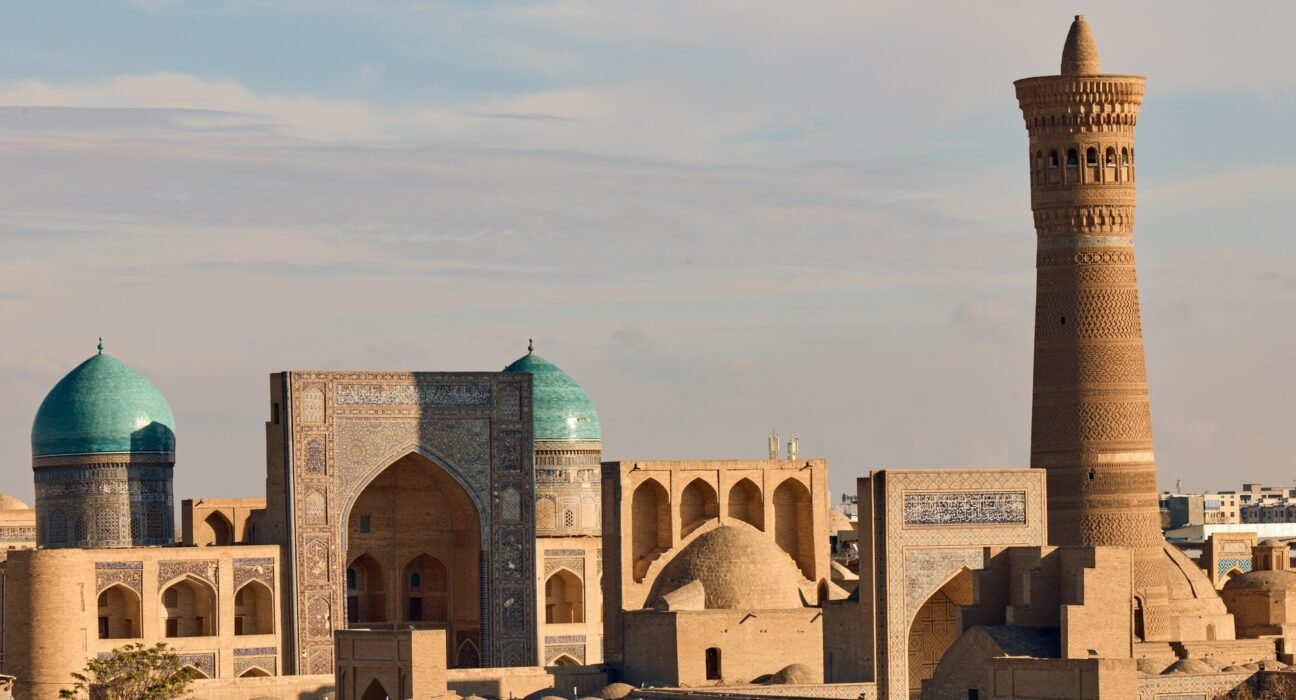
Bukhara is not just a backdrop; it is central to the meaning of the biennial. The city carries centuries of architectural memory, urban craftsmanship, and layered cultural influence. Any event staged there inevitably enters into conversation with historic streetscapes, traditional building practices, and the lived texture of public space.
That makes this announcement especially compelling within Architecture news. Bukhara offers a rare setting where heritage and contemporary design can coexist without reducing history to scenery. Instead, the city provides a framework for asking how new cultural production can respect legacy while still adding something relevant to modern urban life.
For luxury-focused audiences, this also elevates the story beyond standard event coverage. Bukhara represents a form of cultural richness that aligns naturally with luxury architecture and luxury home design values: authenticity, craftsmanship, permanence, and spatial beauty rooted in material intelligence rather than excess.
What makes Bukhara especially relevant
- A globally recognized architectural heritage
- Deep traditions of craft and material culture
- Public spaces shaped by history, climate, and community use
- Strong potential for thoughtful adaptive and contemporary interventions
Lasting Public Works Could Redefine the Biennial Format
The phrase “lasting public works” is the core idea driving this edition, and it deserves attention. In practical terms, it suggests that the biennial may prioritize projects with long-term civic presence, whether through built structures, landscape interventions, gathering spaces, or artist-led transformations connected to local life.
For followers of Architecture news, this raises exciting possibilities:
- Architecture as legacy: Projects may become part of Bukhara’s ongoing urban story rather than a temporary event footprint.
- Design with accountability: Lasting works require stronger thinking around maintenance, use, and community relevance.
- Public value over spectacle: Success is measured not just by attention, but by how people inhabit the results.
This idea resonates with broader shifts in contemporary architecture and urban design. Around the world, architects, curators, and civic leaders are increasingly asking whether cultural commissions can do more than attract visitors. Can they improve public life? Can they extend local craft traditions? Can they create spatial experiences that remain meaningful after the headlines fade? Bukhara Biennial 2027 enters that conversation at exactly the right time.
What This Means for Luxury Architecture and Design Audiences
At first glance, a public art and architecture biennial may seem distant from luxury home decor or luxury interiors. In reality, the connection is strong. The most influential ideas in high-end residential and hospitality design often begin in broader cultural conversations about materials, artisanship, place, and permanence.
This is where Architecture news from Bukhara becomes especially relevant to luxury categories. Designers and homeowners alike are increasingly drawn to spaces that feel timeless rather than trend-driven. A biennial centered on enduring works reinforces several values that define elevated design today:
- Material authenticity: Natural finishes, tactile surfaces, and regionally informed construction
- Craft excellence: Handmade details and artisanal processes with cultural depth
- Longevity: Investment in pieces and spaces meant to last
- Sense of place: Design that reflects local climate, heritage, and community identity
These same principles shape the best luxury homes, boutique hotels, and collectible interiors. In that sense, Bukhara Biennial 2027 is not just event news; it is a signal of where sophisticated design culture is heading.
Why This Announcement Matters Now
The global design world is rethinking impact. Audiences are more skeptical of temporary gestures, and institutions face growing pressure to demonstrate relevance beyond image-making. Against that backdrop, Bukhara Biennial 2027 offers a compelling model: culture as a durable public contribution.
That makes it one of the more important recent stories in Architecture news. The theme and first artist announcements establish a foundation for a biennial that could influence how future architecture and art events are conceived, particularly in historically significant cities. If the final program delivers on its promise, Bukhara may become a benchmark for how global exhibitions engage heritage, public space, and long-term design responsibility.
It also broadens the geographic lens of international design discourse. Central Asia does not always receive the sustained global attention it deserves in architecture and urbanism coverage. A high-profile biennial in Bukhara can help correct that imbalance while bringing new visibility to the region’s architectural intelligence and cultural capital.
Conclusion
Bukhara Biennial 2027 stands out as more than an event announcement; it is a thoughtful proposition about what cultural production can leave behind. By focusing on lasting public works in a city defined by architectural heritage, the biennial enters the global conversation with unusual clarity and purpose. For anyone tracking Architecture news, luxury architecture, or the future of meaningful design, this is a development worth watching closely. The clearest takeaway is simple: the most powerful design is not always the most temporary, but the work that continues to serve, inspire, and belong.