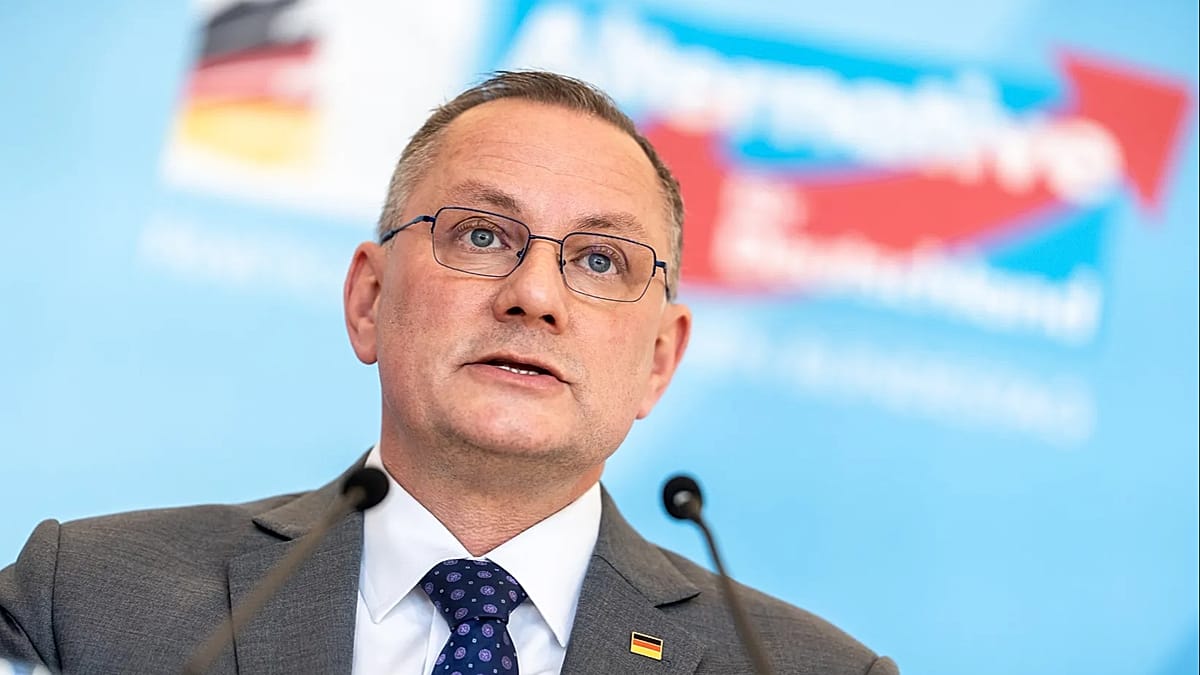
The European Parliament is preparing to open a formal procedure against the Europe of Sovereign Nations party, a move that could reshape the balance of far-right politics at EU level. While the case is rooted in democratic oversight rather than design, the European Parliament procedure has wider implications for the values, institutions, and cultural direction that influence everything from public policy to the future of Europe’s civic and built environment.
According to the latest developments, lawmakers are expected to back a request that asks the Authority for European Political Parties and Foundations to assess whether the Europe of Sovereign Nations, or ESN, still complies with the European Union’s core principles. If the party is judged to have breached those standards, it could lose its status as a recognised European political party and forfeit EU funding.
Why the European Parliament procedure matters
The upcoming vote is significant because it is not aimed at a single lawmaker or parliamentary faction, but at the legal status of a transnational political party. In practical terms, the European Parliament procedure targets ESN as an EU-level political entity rather than the parliamentary group made up of similar members.
That distinction matters. Even if ESN were deregistered, the MEPs associated with the Europe of Sovereign Nations group in Parliament would keep their seats, and the parliamentary group itself would not automatically disappear. What would change is the party’s formal registration and access to public funding provided through the EU system.
What ESN is
Founded in 2024, ESN brings together several far-right national parties across Europe. Alternative for Germany, widely known as AfD, is its most prominent member, alongside other nationalist and hard-right allies from countries including Poland and France.
As an EU political party, ESN exists separately from the parliamentary group of the same political family. That legal separation is central to the case now moving forward.
What could happen next
If Parliament approves the request, the review process would unfold in stages:
- The Authority for European Political Parties and Foundations reviews evidence and compliance.
- ESN is given the opportunity to respond to the allegations.
- The party may propose corrective measures.
- The authority then decides whether ESN should remain registered.
- The European Parliament and the Council retain the ability to overturn a final decision.
This means the European Parliament procedure is serious, but it is not the final verdict. Due process remains built into every step.
The case against the Europe of Sovereign Nations party
The action is backed by more than 180 lawmakers and follows concerns raised by the authority responsible for overseeing European political parties. A substantial dossier reportedly compiles court judgments, public statements, and social media content linked to ESN member parties.
The accusations focus on potential violations of the EU’s foundational values, including:
- Respect for human dignity
- Freedom and democracy
- Equality
- The rule of law
- Human rights, including minority rights
Among the examples cited are alleged antisemitic, anti-LGBT, and anti-migrant rhetoric, as well as proposals involving so-called remigration and statements equating homosexuality with criminal behaviour. Additional incidents reportedly include racist campaign messaging and actions aimed at suppressing cultural works featuring LGBT themes.
A German court ruling referenced in the reporting also found elements of AfD’s policy programme to be contrary to human dignity and freedom of religion, adding weight to the scrutiny around the Europe of Sovereign Nations network.
How ESN is defending itself
ESN rejects the accusations and argues that it is being punished for voicing politically inconvenient views. Its representatives say the dispute is about ideological disagreement, not democratic misconduct, and they frame their defence around freedom of expression.
That defence is likely to become central as the European Parliament procedure moves into a more formal phase. The broader political debate will hinge on a difficult question: where should democratic institutions draw the line between protected speech and conduct that undermines the Union’s core values?
What this means for EU politics
The stakes go beyond one party. If ESN loses its registration, it would send a strong signal that access to European political party status and public financing depends on ongoing adherence to EU principles, not just electoral support.
That could have several consequences across the bloc:
- Tighter scrutiny of EU-level parties: Other political alliances may face closer examination of their rhetoric, campaigns, and member conduct.
- Pressure on far-right networks: National parties linked to ESN may need to reconsider language and strategy if they want to preserve influence in Brussels.
- A new precedent: The European Parliament procedure could become a reference point for future enforcement actions involving value-based compliance.
It also underlines how the EU increasingly sees values as operational, not merely symbolic. Institutions are showing a willingness to test whether political actors receiving European recognition and funding still meet the standards set out in the treaties.
Why this story resonates beyond politics
For readers interested in luxury architecture, luxury design, and luxury interiors, this may seem far removed from the worlds of space, craft, and aesthetics. Yet politics shapes the cultural climate in which design industries operate. Questions around inclusion, pluralism, heritage, migration, and identity often influence urban development, museum policy, public commissions, preservation priorities, and the creative economy itself.
When European institutions debate values, they are also indirectly shaping the social framework that informs design patronage, cross-border collaboration, and the meaning of contemporary European culture. In that sense, the European Parliament procedure is part of a bigger story about what kind of Europe is being built, politically and culturally.
Conclusion
The European Parliament procedure against the Europe of Sovereign Nations party marks an important test of how the EU enforces its own democratic standards. If lawmakers approve the next step, the focus will shift from political messaging to legal and institutional judgment. The key takeaway is clear: in today’s Europe, recognition, legitimacy, and funding at EU level are increasingly tied to whether parties uphold the values the Union says define it.