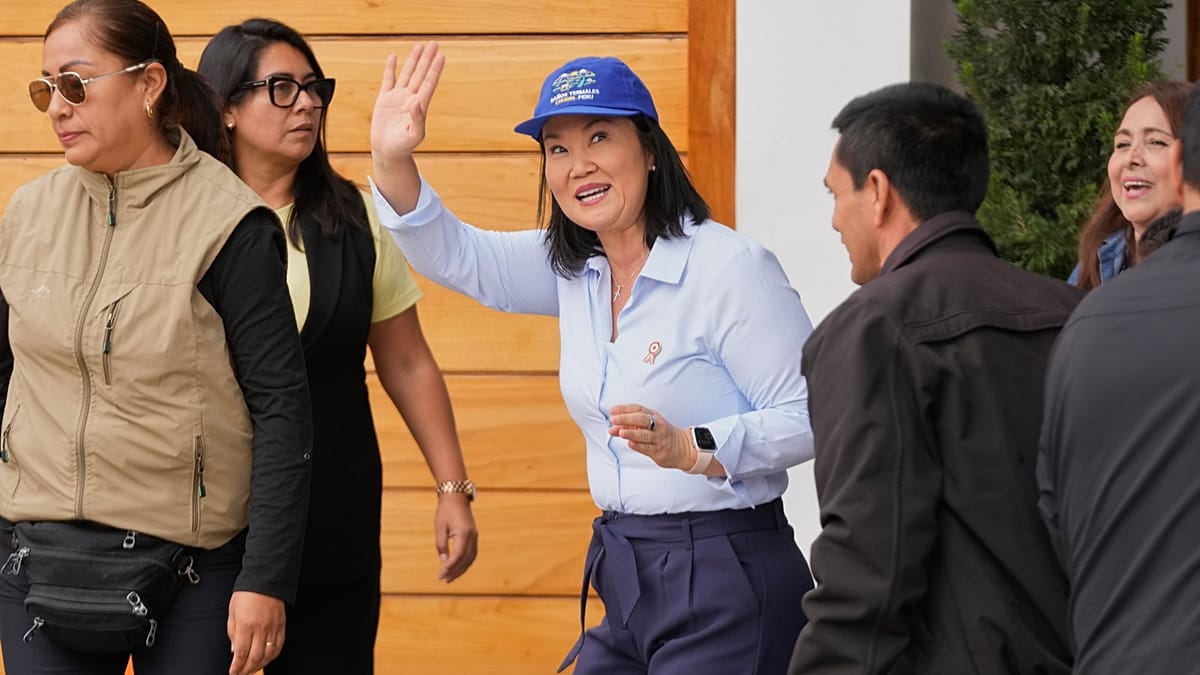
Keiko Fujimori’s Peru election victory is more than a headline in Latin American politics—it may also shape the climate for investment, development, and high-end real estate across the country. For the worlds of luxury architecture, luxury design, and luxury interiors, shifts in security policy and political leadership can influence everything from buyer confidence to the pace of new hospitality and residential projects.
Fujimori was officially declared the winner of Peru’s presidential runoff after a razor-thin result, securing just over half of the vote against nationalist congressman Roberto Sánchez. The election unfolded against a backdrop of rising public concern over crime, particularly extortion linked to organized gangs, a theme that defined the campaign and is likely to define the early priorities of the incoming administration.
Keiko Fujimori’s Peru election win and why it matters beyond politics
Keiko Fujimori’s Peru election success comes at a pivotal moment for a country that has experienced extraordinary political turnover. When she takes office, she will become Peru’s ninth president in 10 years, underscoring a long period of instability that has often complicated long-term planning in property, construction, and urban development.
For luxury sectors, political continuity matters. Investors, developers, architects, and hospitality groups typically look for three core conditions before committing to premium projects:
- Predictable regulation and permitting
- Improved public safety and business confidence
- Macroeconomic stability that supports affluent buyers and international capital
Because Keiko Fujimori’s Peru election win was certified after a full ballot count, the immediate uncertainty around the race has eased. That alone can be meaningful for markets that depend on confidence, especially in capital-intensive categories such as waterfront residences, boutique hotels, branded developments, and luxury mixed-use concepts.
Security concerns could shape the future of luxury architecture in Peru
The defining issue of the election was crime. Voters focused heavily on worsening insecurity, especially extortion by violent organized crime groups, and Fujimori pledged an aggressive response. Whether those promises translate into measurable improvements will be watched far beyond the political arena.
In the luxury architecture market, security is never just a policy question—it becomes a design question too. In cities where affluent buyers prioritize safety, architecture increasingly incorporates discreet protective features without sacrificing aesthetic value.
Design responses to insecurity
If security remains a national priority after Keiko Fujimori’s Peru election victory, Peru’s premium property sector may continue to favor design strategies such as:
- Controlled-access residential compounds
- Layered entry sequences and private arrival courts
- Integrated surveillance systems hidden within architectural detailing
- Landscape design that enhances privacy without creating a fortress-like feel
- Luxury interiors with secure safe rooms, reinforced glazing, and smart home monitoring
These features are increasingly common in high-end markets around the world, where luxury design is expected to combine elegance with resilience. In Peru, particularly in Lima and other affluent enclaves, developers may find stronger demand for homes and hospitality spaces that blend beauty, technology, and peace of mind.
How political change can affect luxury interiors and high-end development
Keiko Fujimori’s Peru election result may influence buyer sentiment in both direct and indirect ways. Directly, any visible improvement in public order could increase demand for upscale homes, second residences, and investment properties. Indirectly, a perception of stronger governance can support tourism, retail, and hospitality activity—three sectors closely tied to luxury interiors and experiential design.
For interior designers and developers, this matters because affluent clients are no longer purchasing square footage alone. They are buying lifestyle ecosystems. Political and social stability often encourages spending on:
- Custom residential interiors with artisanal materials
- Luxury hospitality renovations
- Private wellness amenities and spa environments
- High-security executive offices and penthouses
- Exclusive retail flagships and members-only spaces
Peru also has a strong design identity rooted in craftsmanship, natural materials, and regional heritage. If investment conditions improve, luxury interiors in the country could further elevate locally sourced stone, fine woods, handwoven textiles, and bespoke metalwork, combining contemporary refinement with Peruvian cultural richness.
The Fujimori legacy and investor caution
Despite the finality of Keiko Fujimori’s Peru election win, the new administration arrives with political baggage. Fujimori is the daughter of former president Alberto Fujimori, whose government is remembered both for defeating the Shining Path insurgency and for later authoritarian excesses, human rights abuses, and corruption convictions.
That legacy means the market response may be nuanced rather than euphoric. While some business interests may welcome a tougher law-and-order agenda, others will likely wait for evidence of institutional stability, legal clarity, and democratic restraint before expanding aggressively.
For luxury architecture and design stakeholders, caution is standard practice. Premium development thrives not simply under strong rhetoric, but under durable frameworks that protect investment, contracts, mobility, and reputation.
What developers and designers may watch next
- Early cabinet appointments and governance signals
- Public safety measures in key urban markets
- Changes to investment and construction policy
- Tourism confidence and international perception of Peru
- Currency and financing conditions for large-scale projects
What this could mean for Peru’s luxury design landscape
Over time, Keiko Fujimori’s Peru election outcome could become relevant to the luxury sector in a very practical sense: confidence shapes construction, and construction shapes design opportunity. If the administration can reduce insecurity and stabilize the business environment, Peru may be better positioned to attract elite residential development, design-led hotels, and premium urban regeneration.
That would create fertile ground for architects and interior designers working at the top end of the market. We could see increased appetite for projects that express contemporary Latin American luxury—minimalist yet warm, materially rich, deeply local, and increasingly attuned to privacy and security.
At the same time, the narrow result suggests a divided electorate. Any meaningful impact on the luxury real estate and design market will depend less on campaign messaging and more on execution in office.
Conclusion
Keiko Fujimori’s Peru election win marks a major political turning point, but its broader significance will emerge in the months ahead. For luxury architecture, luxury design, and luxury interiors, the key question is whether stronger security and clearer governance can restore the confidence needed for high-end development. If Keiko Fujimori’s Peru election translates into greater stability, Peru’s premium design landscape could enter a new phase of opportunity—one defined by secure elegance, local craftsmanship, and renewed investment.