Architecture news rarely captures the tension between heritage and future-facing design as clearly as the planned transformation of Bromley Hall in London. The latest proposal by Assemble brings new life to one of the city’s most historically significant buildings, turning the Grade II*-listed site into a creative and light industrial workspace while preserving the character that makes it exceptional.
Set within East London, Bromley Hall represents a compelling model for how historic architecture can support contemporary production, design culture, and urban regeneration. For readers interested in luxury architecture, luxury design, and the evolving relationship between preservation and innovation, this project offers far more than a routine refurbishment. It points to a broader shift in how landmark buildings can be adapted for meaningful modern use.
Architecture News: Why Bromley Hall Matters
Bromley Hall is not simply another old structure earmarked for reuse. Its Grade II* status places it among the UK’s most important listed buildings, a designation reserved for sites of particular architectural and historic interest. Any intervention therefore demands a highly sensitive approach, balancing legal conservation requirements with the practical needs of a working building.
That is where Assemble’s reputation becomes central to the story. Known for projects that blend community engagement, material intelligence, and adaptive reuse, the studio has consistently approached architecture as both cultural stewardship and social infrastructure. In this case, the proposed conversion of Bromley Hall into a new creative and light industrial hub aligns neatly with London’s growing demand for flexible workspaces that support makers, designers, and small-scale production.
From an architecture news perspective, the project stands out because it does not treat heritage as a static museum piece. Instead, it sees conservation as an active process that can sustain a building by giving it renewed relevance.
The Vision: Creative and Light Industrial Workspace
The proposed use for Bromley Hall reflects a pragmatic and forward-looking urban strategy. Rather than converting the building into an isolated cultural artifact or purely commercial office scheme, the plan embraces a mixed working environment geared toward creative industries and light industrial activity.
This type of program is increasingly important in London, where rising property pressures have reduced access to affordable, character-rich spaces for fabrication, craft, design, and independent production. Reusing a historic building for these purposes can create a rare combination of atmosphere, identity, and utility.
What the new workspace model could offer
- Studios for artists, designers, and creative practitioners
- Flexible workshop areas for small-scale manufacturing and prototyping
- Shared work environments that encourage collaboration
- Preserved architectural features that add spatial richness and authenticity
- A long-term use that supports the building’s maintenance and public value
For followers of architecture news, this is an especially relevant trend. Across major cities, adaptive reuse is emerging as a preferred alternative to demolition, particularly where embodied carbon, local identity, and preservation policy intersect.
Assemble’s Approach to Adaptive Reuse
Assemble has built an international profile through projects that prioritize existing structures, thoughtful material choices, and socially engaged design. That design philosophy makes the team well-suited to a site like Bromley Hall, where the architectural response must be both restrained and inventive.
Adaptive reuse at this level is never just about inserting a new function into an old shell. It involves understanding the building’s fabric, circulation, proportions, structural logic, and historical layers. In luxury design terms, the real sophistication lies in subtlety: interventions should improve usability, comfort, and longevity without erasing patina or historic identity.
The likely success of the Bromley Hall project will depend on several key design principles:
- Respect for original character: Existing elements should be retained wherever possible.
- Reversible interventions: New additions should avoid unnecessarily permanent disruption to historic fabric.
- Material compatibility: Contemporary materials must complement, not compete with, the original architecture.
- Functional clarity: Workspaces need to meet current standards for access, safety, and performance.
- Long-term resilience: The building must be able to evolve with changing user needs over time.
These are the kinds of ideas increasingly driving high-level architecture news coverage, especially as cities search for sustainable ways to retain built heritage while supporting economic activity.
What This Means for Luxury Architecture and Design
Although Bromley Hall is not a private residence, the project strongly resonates with the values behind luxury architecture, luxury decor, and luxury home design. Today, luxury is defined less by excess and more by quality, craftsmanship, rarity, and narrative. Historic buildings offer all four.
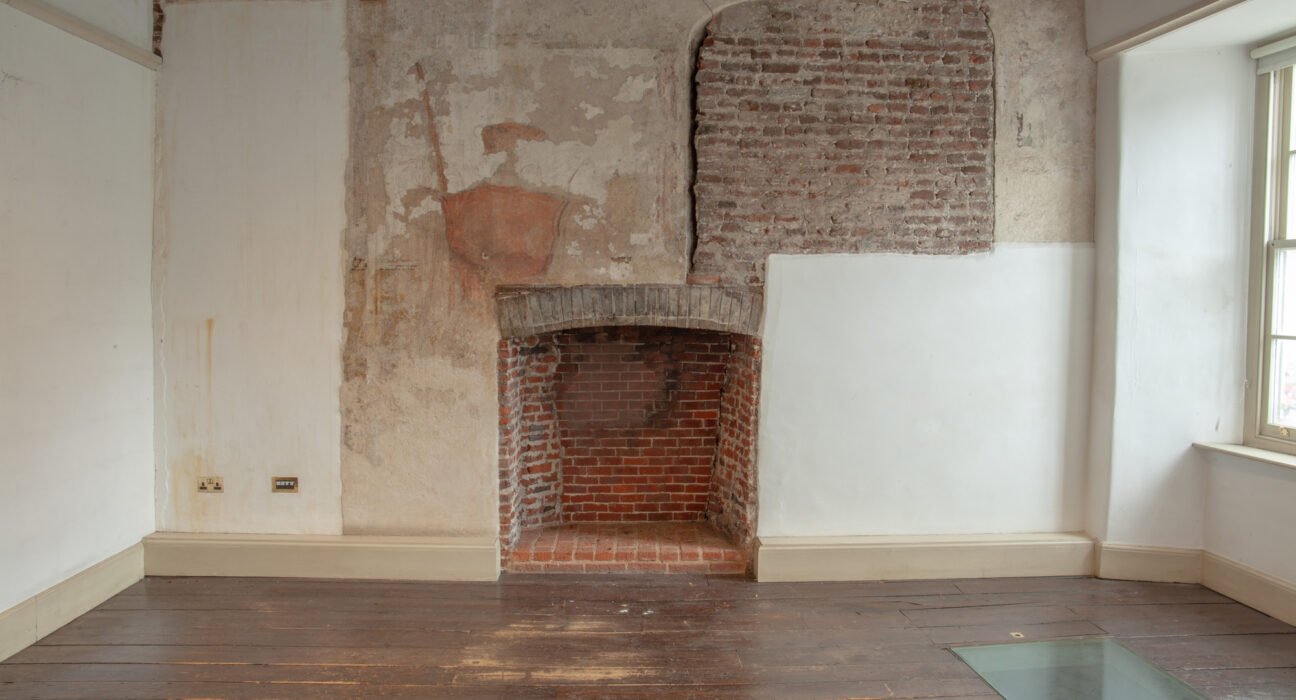
There is a growing appreciation for spaces that combine original architectural detail with carefully integrated contemporary elements. Exposed timber, weathered masonry, restored openings, and generous proportions create the kind of sensory depth that many new-build interiors struggle to replicate. In that sense, Bromley Hall represents a design language that luxury homeowners and interior professionals increasingly admire.
Luxury design lessons from Bromley Hall
- Authentic materials create timeless visual richness
- Preservation can be more exclusive than replacement
- Layered history adds emotional value to a space
- Craft-led restoration aligns with premium design sensibilities
- Adaptive reuse supports sustainability without sacrificing beauty
This crossover appeal helps explain why projects like this gain traction beyond specialist circles. They speak to architects, developers, interior designers, and readers interested in refined environments with cultural depth.
A Wider Signal in London Architecture
In the broader landscape of London development, the Bromley Hall proposal reflects a larger recalibration. The city is increasingly recognizing the importance of protecting spaces for making, not just consuming. Creative and light industrial uses play a critical role in maintaining diverse urban economies, yet they often lose out to higher-yield commercial or residential schemes.
That is why this story deserves attention in architecture news. It shows how a historically important building can serve contemporary working life while reinforcing local identity. Instead of freezing the past or clearing it away, the project suggests a middle path: preservation through productive use.
For the luxury sector, this also underscores a powerful idea: true design value often comes from context, continuity, and carefully managed transformation. Whether in hospitality, residential interiors, or branded workspaces, the market is rewarding environments that feel rooted rather than generic.
Conclusion
In a crowded cycle of architecture news, Assemble’s vision for Bromley Hall stands out as a thoughtful example of heritage-led reinvention. By converting a Grade II*-listed landmark into a creative and light industrial workspace, the project has the potential to preserve architectural legacy while supporting the kinds of makers and designers that keep London culturally dynamic.
The clearest takeaway is simple: the future of great architecture may depend less on building from scratch and more on transforming what already exists with intelligence, restraint, and ambition. Bromley Hall is a reminder that the most compelling spaces are often those that carry history forward rather than leave it behind.