
Architecture news rarely lands with the depth of a cultural manifesto, but the newly announced Bukhara Biennial 2027 does exactly that. Set in one of Central Asia’s most storied cities, the event promises not just exhibitions, but a refined model of public design where art, heritage, craft, and landscape leave a permanent mark on urban life.
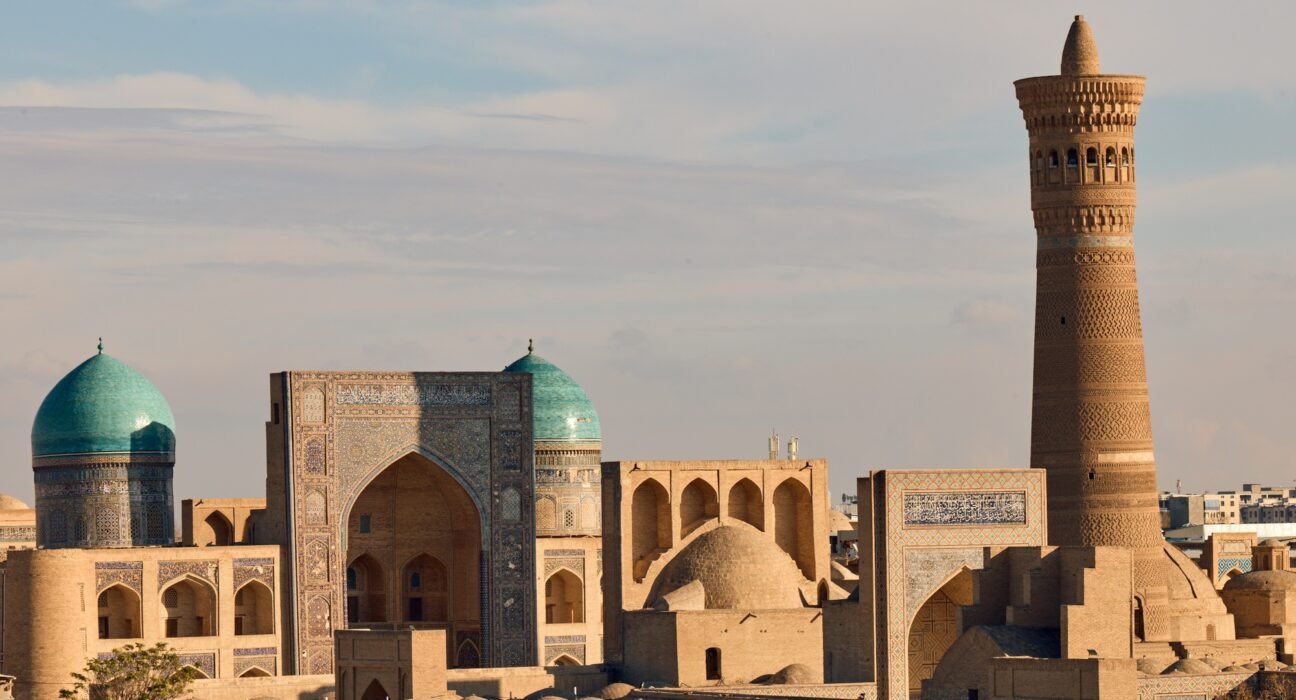
The second edition of the Bukhara Biennial will run from September 3 to November 21, 2027, in Bukhara, Uzbekistan. Announced by the Uzbekistan Art and Culture Development Foundation, the biennial introduces The Long Welcome as its central theme. Conceived as an exploration of hospitality, exchange, and cultural continuity, the program is being led by Artistic Director Kulapat Yantrasast, founder of WHY Architecture, under the commission of ACDF Chairperson Gayane Umerova.
Architecture News From Bukhara: Why This Biennial Matters
Among the most compelling developments in global architecture news, Bukhara Biennial 2027 stands out for its ambition to transform temporary cultural programming into lasting civic value. Rather than limiting itself to gallery-style installations, the biennial will commission works made exclusively in Uzbekistan that remain embedded in the city long after the closing dates.
That includes permanent public-facing interventions such as:
- Artist-designed gardens
- Fountains and water features
- Custom benches and street furniture
- Streetlights and urban elements
- Installations integrated into restored historic sites
For readers interested in luxury architecture and luxury design, this approach is particularly significant. It elevates public works through craftsmanship, cultural sensitivity, and material permanence, proving that design excellence does not belong only inside private homes or boutique hospitality spaces. In Bukhara, civic design itself becomes a luxury experience.
A Historic Silk Road City as the Backdrop
Bukhara has spent more than two millennia as a place of encounter. Positioned along the Silk Road, the city became a crossroads where merchants, pilgrims, artisans, and thinkers exchanged goods, beliefs, and techniques across continents. The biennial’s theme draws directly from that legacy.
The Long Welcome treats hospitality not as a gesture of passive reception, but as an active exchange. Visiting artists are invited to learn from local residents, collaborate with skilled makers, and contribute something meaningful in return. In design terms, this is a powerful shift away from spectacle and toward reciprocity.
For the luxury home and luxury decor sectors, the idea resonates on another level. The finest spaces are often those that tell stories of place, respect craft, and balance beauty with usefulness. Bukhara’s curatorial framework reflects those same values at an urban scale.
The Four Pillars Shaping Bukhara Biennial 2027
This major item in architecture news is structured around four interconnected pillars, each one broadening the conversation around architecture, public art, and heritage-led regeneration.
1. Local Hospitality
This pillar centers on Bukhara’s long tradition of welcoming guests. Artists will engage directly with residents and local knowledge, allowing everyday experience to shape the final works. Some commissions are expected to become practical parts of city life, blending cultural meaning with daily use.
2. Co-Creation
Building on the first biennial’s collaborative model, the 2027 edition expands partnerships between artists and Uzbek craftspeople. It will also involve international institutions, including the Chanakya School of Craft in India, alongside input from ecologists, historians, economists, teachers, musicians, and children.
This multidisciplinary approach mirrors a growing movement in architecture and interior design: the belief that truly luxurious environments emerge from layered expertise, not isolated authorship.
3. Resilience and Biodiversity
Environmental intelligence is a defining feature of contemporary luxury design, and Bukhara Biennial 2027 places it front and center. Landscape-based commissions will respond to regional concerns such as water scarcity and air quality, linking beauty to ecological performance.
In today’s architecture news cycle, sustainability is often discussed in technical terms. Bukhara offers a more poetic model, where gardens, fountains, and public spaces can become both environmental responses and cultural expressions.
4. Living Heritage
This pillar supports the transmission of traditional knowledge across generations, including craft, music, and cultural practices. It also includes the restoration and renewed public use of madrasas and mosques, ensuring that historic architecture remains active rather than frozen in time.
For luxury home decor and luxury design audiences, there is an important takeaway here: heritage is most powerful when it is lived with, not merely displayed.
First Artists Announced for the 2027 Edition
The biennial has already confirmed an impressive roster that balances Uzbek and international voices. Artists from Uzbekistan include Sevara Haydarova Donazzan, Nigina Mirzadzhanova, Maksim Vardanyan, and Daima Rakhmanbekova.
International participants include:
- Anish Kapoor
- Koo Jeong A
- Susan Philipsz
- Precious Okoyomon
- Ugo Rondinone
- Vivian Suter
- Joseph Arzoumanov
- Oscar Tuazon
- Huma Bhabha
- Bethan Laura Wood
This caliber of contributors makes the announcement especially notable in current architecture news, not only for its artistic prestige but for how those practices may intersect with urban space, restoration, and crafted environments.
What Luxury Architecture Can Learn From Bukhara
There is a clear lesson here for the luxury architecture world. Lasting value no longer comes from exclusivity alone; it increasingly comes from cultural depth, local craft, sustainability, and public relevance. Bukhara Biennial 2027 embodies all four.
Its model suggests that high-end design thinking can extend beyond private residences and curated interiors into streetscapes, historic compounds, and communal landscapes. The result is a richer understanding of luxury: one that is tactile, intelligent, rooted in place, and designed to endure.
Additional program details, including the Bukhara Biennial Curatorial School and wider public programming, will be announced closer to 2027. Entry will be free, and installations will be spread across restored buildings and public spaces throughout an expanded city footprint.
Conclusion
In a global cycle crowded with headlines, this chapter of architecture news feels unusually meaningful. Bukhara Biennial 2027 is not simply staging an event; it is rethinking how art, heritage, and public design can create a long-term civic legacy. For anyone following luxury architecture, luxury decor, and future-focused cultural design, Bukhara may become one of the most important destinations to watch in 2027.