In today’s Architecture news, Copenhagen is once again proving why it remains a global benchmark for livability. The Danish Architecture Center is celebrating urbanist Jan Gehl’s 90th birthday with a major exhibition and citywide program that spotlight the ideas that helped redefine modern urban life.
For readers across luxury architecture, luxury design, and luxury home categories, this tribute matters far beyond Denmark. Gehl’s legacy is not simply about planning cities more efficiently; it is about shaping environments with a heightened sense of comfort, beauty, wellness, and human experience. Those values increasingly influence everything from public squares and waterfront districts to high-end residential developments and luxury home decor choices centered on lifestyle quality.
Architecture News: Why Jan Gehl Still Shapes the World’s Best Cities
Jan Gehl is widely recognized as one of the most influential voices in people-centered urban design. Across decades of research, writing, and consulting, he advanced a simple but transformative idea: cities should be designed around human behavior, not just traffic flow, road width, or isolated buildings.
That philosophy helped shift international planning culture away from car-dominated urbanism and toward walkable, social, and healthier environments. Gehl’s work, including the landmark book Life Between Buildings, argued that the most successful cities are those that support the everyday rituals of life:
- Walking comfortably and safely
- Meeting others in inviting public spaces
- Experiencing shelter, scale, and sensory richness
- Encouraging play, rest, and community interaction
These principles may feel intuitive now, but they represented a major departure from the planning priorities of the 1960s. In that era, many cities prioritized roads, speed, and large-scale development over social life at street level.
Danish Architecture Center Launches “Cities for People”
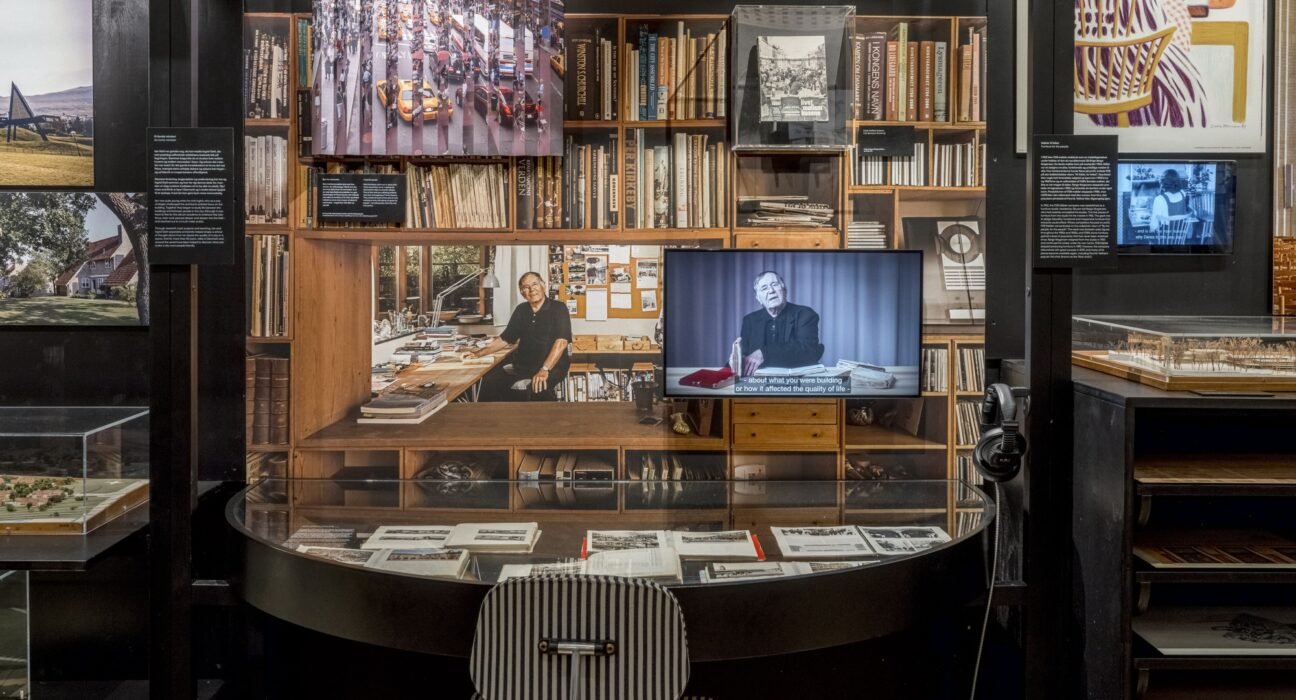
The centerpiece of this Architecture news story is the Danish Architecture Center’s new exhibition, Cities for People, opening on World Architecture Day. Developed with Gehl Studio and Jan Gehl himself, the exhibition explores his life’s work and the enduring relevance of human-scale design.
Rather than presenting urbanism as an abstract professional discipline, the exhibition aims to make visitors feel how design affects everyday life. It examines how public space can influence safety, comfort, belonging, and well-being, while also showing how different groups may experience the same place in very different ways.
That immersive approach reflects Gehl’s long-held belief that urban design should begin with lived experience. Before streets are drawn or buildings are erected, planners should ask how people move, gather, pause, and feel within a space.
What the exhibition will explore
According to the program, visitors can expect a participatory look at how cities function when they prioritize people first. Themes include:
- Safety and perception — how space can feel welcoming or intimidating
- Human scale — why dimensions, proportions, and sensory details matter
- Community and freedom — balancing social connection with personal space
- Health and livability — the role of public design in everyday wellness
- Inclusive urban experience — how age, gender, and life situation influence spatial comfort
For design enthusiasts, the exhibition also underscores a luxury principle increasingly visible in premium real estate: true sophistication lies in how a space makes people feel, not only in how it looks.
How Gehl’s Ideas Influenced Copenhagen’s Global Reputation
This piece of Architecture news arrives at a fitting moment. Copenhagen was named the world’s most livable city for the second consecutive year in the 2026 Economist Intelligence Unit Global Liveability Index. While many factors contribute to that recognition, the Danish Architecture Center points to Jan Gehl’s influence as a major force behind the city’s urban quality.
Copenhagen’s bike lanes, harbor baths, parks, squares, and pedestrian-friendly public spaces all reflect the practical application of Gehl’s thinking. The city demonstrates that high-quality urban design is not a decorative extra. It is infrastructure for daily life.
In luxury architecture and luxury home markets, that lesson is becoming increasingly important. Buyers and residents are no longer judging value only by interiors, materials, or square footage. They are also evaluating:
- Walkability and neighborhood experience
- Access to green and waterfront spaces
- Public realm quality
- Wellness-focused planning
- Social and cultural vitality
In other words, the city itself has become part of the luxury offering.
From Public Space to Luxury Living: Why This Architecture News Matters
At first glance, an exhibition on urban planning may seem distant from luxury decor or luxury home design. In reality, the connection is direct. The same people-first principles that Gehl championed are increasingly shaping high-end residential architecture and interiors.
Today’s most desirable developments often embrace:
- Soft transitions between private and shared spaces
- Natural light, shelter, and tactile comfort
- Courtyards, terraces, and communal amenities
- Pedestrian-oriented site planning
- Design that supports calm, connection, and wellness
These ideas mirror Gehl’s emphasis on the sensory and social realities of daily life. Whether at the scale of a city block or a luxury residence, great design begins with understanding how people actually live.
A broader urban conversation
This Architecture news story also sits within a wider global debate about the future of cities. Affordable housing, circular construction, adaptive reuse, and sustainable growth are all pressing concerns. As urban populations continue to rise, the challenge is no longer just building more, but building better.
Gehl’s career offers a framework for that future. His work suggests that successful cities are neither purely monumental nor purely technical. They are deeply attentive to the small moments between buildings: conversation, pause, movement, protection, and joy.
Conclusion: Architecture News With a Lasting Lesson
The Danish Architecture Center’s celebration of Jan Gehl’s 90th birthday is more than a tribute to one influential planner. It is a reminder that the best Architecture news often points to ideas that improve how we live every day.
As cities, designers, and developers look ahead, Gehl’s people-first vision remains profoundly relevant. From luxury architecture to neighborhood planning, the message is clear: enduring design excellence starts with human experience. If Copenhagen’s success is any indication, cities that put people first will continue to define the future of architecture.