Architecture news rarely stops at aesthetics anymore. Today, the most compelling projects in luxury architecture, luxury homes, and urban design are asking a deeper question: how can space create fairness, participation, and meaningful human connection?
Inspired by the themes raised on the International Day of Democracy, architects and designers are rethinking buildings not just as objects of beauty, but as frameworks for encounter. From elegant public plazas to high-end residential developments with shared amenities, the conversation around democracy in design is influencing everything from civic landmarks to luxury home decor and lifestyle spaces.
Architecture News and the Growing Link Between Design and Democracy
At its core, democracy is often discussed as a political system. But in the built environment, it can also be understood through access, visibility, safety, and the ability of different people to share space with dignity. This is where architecture news becomes especially relevant: it helps reveal how design shapes social behavior and public life.
Architecture can encourage openness or reinforce exclusion. A building may symbolize transparency, yet still remain inaccessible. A beautifully designed square may become a true platform for gathering, dialogue, and protest. In this sense, the language of design carries social power far beyond form and materials.
For readers interested in luxury design, this shift is significant. High-end architecture is no longer judged only by craftsmanship, premium finishes, or iconic silhouettes. Increasingly, value also comes from how a project contributes to collective life, environmental resilience, and equitable access.
Public Space as a Democratic Luxury
One of the clearest themes in current architecture news is the importance of public space. Parks, plazas, promenades, rooftops, and cultural centers can serve as places where strangers meet, communities gather, and civic life unfolds organically.
Why encounter matters in design
Democratic space is not merely open land between buildings. It is intentionally shaped to support comfort, safety, and participation. Well-designed public environments can:
- Encourage conversation across social groups
- Support peaceful assembly and civic expression
- Improve accessibility for women, children, and older adults
- Create safer navigation through lighting, color, and visibility
- Strengthen neighborhood identity and belonging
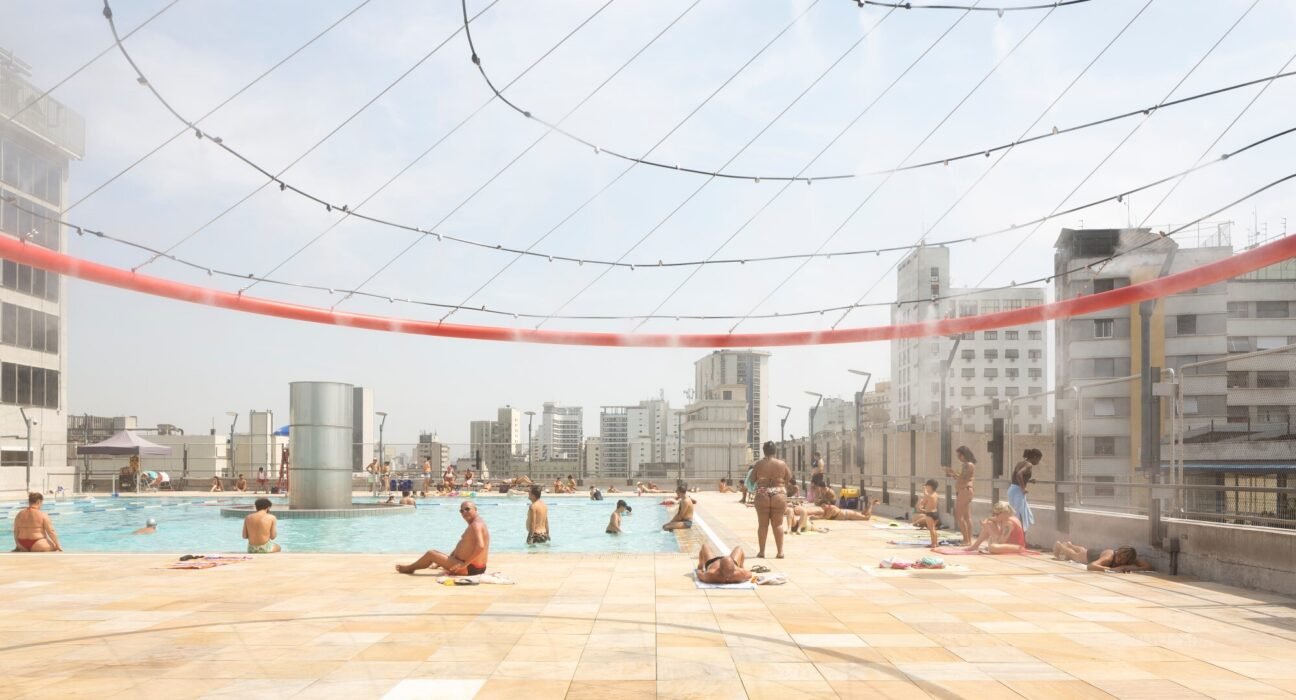
In luxury architecture, this principle appears in sophisticated mixed-use developments, wellness-driven residential towers, and hospitality-inspired community amenities. A rooftop pool, landscaped terrace, or shared courtyard may appear exclusive, but the strongest projects use these features to foster a sense of connection rather than isolation.
From protest sites to people-centered places
Recent urban design conversations have highlighted how streets and squares become stages for public voice. Across global cities, architecture and planning influence whether these places feel welcoming, legible, and secure. This makes public space one of the most powerful expressions of democratic design.
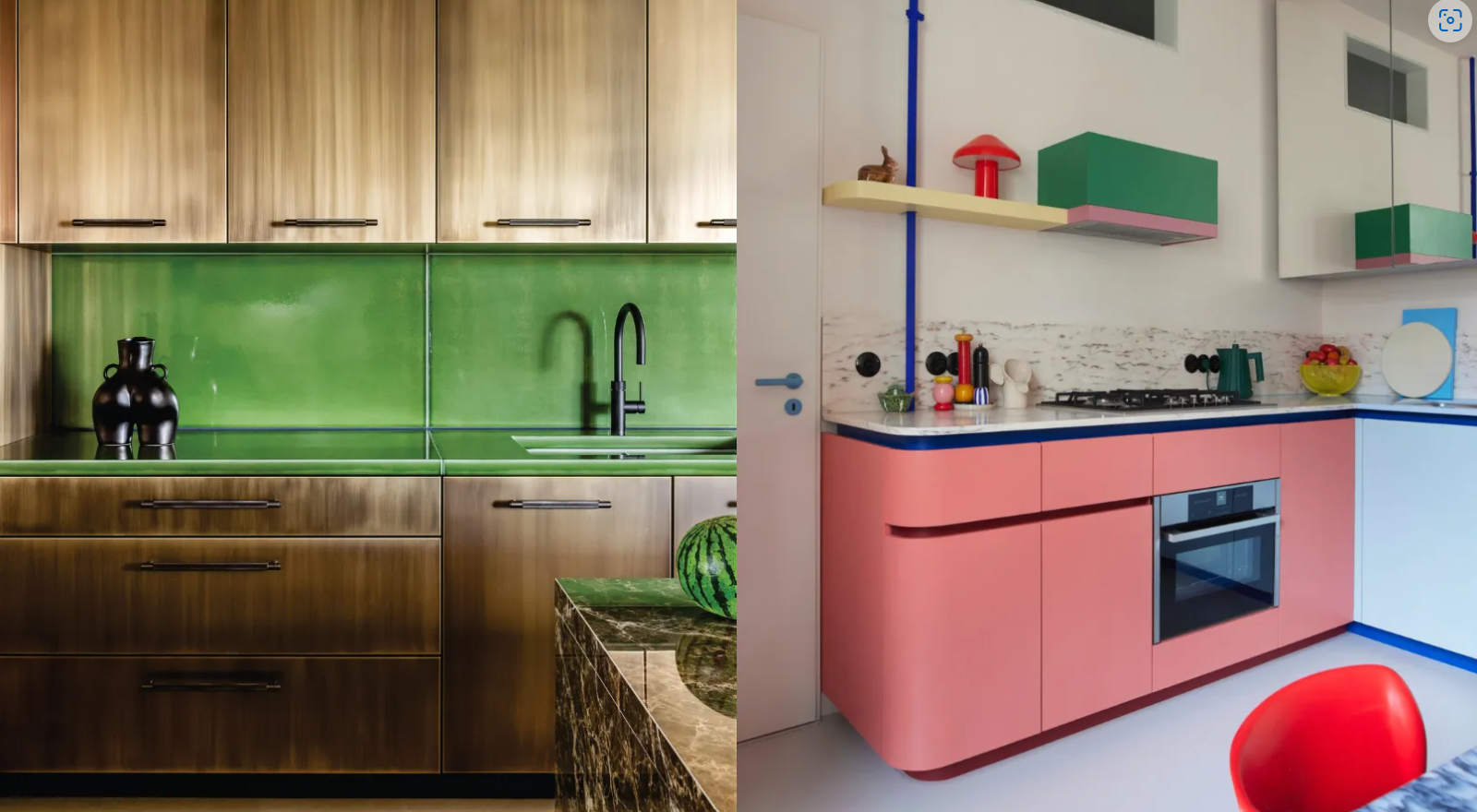
For luxury home and luxury decor audiences, there is also a smaller-scale lesson here: even private residences benefit from spatial layouts that prioritize gathering, openness, and flow. Generous kitchens, indoor-outdoor living zones, and shared lounge areas echo the same values of encounter seen in civic architecture.
Territorial Justice, Climate Resilience, and Long-Term Value
Another major theme in architecture news is territorial justice, especially as climate change intensifies. Architecture does not exist in a vacuum. Land use, property regulation, infrastructure, and environmental stewardship all shape who gets to live safely and sustainably.
This matters to luxury architecture because resilience has become a marker of quality. Today, premium design is increasingly associated with:
- Climate-responsive materials and envelopes
- Water-sensitive landscape design
- Heat mitigation through shade and vegetation
- Thoughtful siting that respects ecosystems and local conditions
- Long-term durability over short-term spectacle
In both urban and residential contexts, the most future-facing projects balance exclusivity with responsibility. Architects are being asked to consider not only how a building looks, but how it impacts land, resources, and neighboring communities.
This broader lens is helping redefine luxury design. True sophistication now includes ecological intelligence and social awareness, not just rarity and expense.
Housing Access and the Ethics of Design
Any serious discussion in architecture news must also address housing. Around the world, affordability crises are forcing policymakers, developers, and architects to rethink how homes are built, financed, and distributed.
While luxury home markets operate in a different segment, they are still connected to wider housing systems. Design decisions, zoning patterns, and public policy all influence urban supply, neighborhood diversity, and spatial equity.
What luxury sectors can learn from housing debates
Even in upscale development, there is growing interest in models that deliver broader social value. These include:
- Mixed-income communities with shared public amenities
- Adaptive reuse that preserves urban character
- Compact, efficient floor plans without sacrificing elegance
- Design strategies that improve accessibility and aging in place
- Partnerships between private development and public benefit goals
For luxury home decor and interior design professionals, this can translate into flexible spaces, multifunctional rooms, and timeless materials that support longevity instead of excess. Ethical design is becoming part of the premium experience.
Symbolism in Buildings: Openness, Power, and Identity
Some of the most thought-provoking architecture news focuses on symbolism. Buildings communicate values, whether through transparency, monumentality, horizontality, or preservation. A city hall with glass walls may suggest openness. A restored heritage site may reflect cultural memory. A collectively built housing complex may embody solidarity.
But symbolism can be complex. Transparency in architecture does not automatically create democratic practice. Heritage preservation can celebrate history, but it can also exclude competing narratives about what deserves recognition.
This is especially relevant in luxury architecture, where image plays a powerful role. Designers and clients increasingly want spaces that feel meaningful, not merely impressive. That may mean incorporating local craftsmanship, honoring regional materials, or creating interiors that reflect cultural continuity rather than trend-driven uniformity.
In this way, luxury decor and luxury design become part of a larger story about identity, memory, and belonging.
What This Means for the Future of Luxury Architecture
The biggest takeaway from today’s architecture news is that great design must do more than dazzle. Whether in a cultural center, a residential tower, or a private home, architecture has the ability to support encounter, dignity, resilience, and shared meaning.
For those following luxury architecture, luxury home trends, and refined interiors, the future is not about abandoning beauty. It is about deepening it. Spaces become more valuable when they are inclusive, environmentally intelligent, and symbolically rich.
As architecture news continues to spotlight democracy, public life, and social equity, one idea stands out: the most enduring architecture is not only beautiful to look at, but generous in what it allows people to experience together.