In the world of Architecture news, few projects resonate as deeply as those that combine restraint, climate intelligence, and quiet beauty. Friendship Centre in Gaibandha, Bangladesh, designed by Kashef Mahboob Chowdhury of URBANA, is one of those rare works—an architectural landmark that proves luxury can be expressed through atmosphere, craft, and human dignity rather than excess.
Completed in 2011 and spanning approximately 2,897 square meters, the project stands as a powerful example of design rooted in place. While often discussed as a civic and institutional work, Friendship Centre also speaks directly to readers interested in luxury architecture, luxury design, and elevated spatial experiences. Its enduring appeal lies in how it transforms brick, water, light, and shadow into a profoundly refined environment.
Architecture News Spotlight: Why Friendship Centre Still Matters
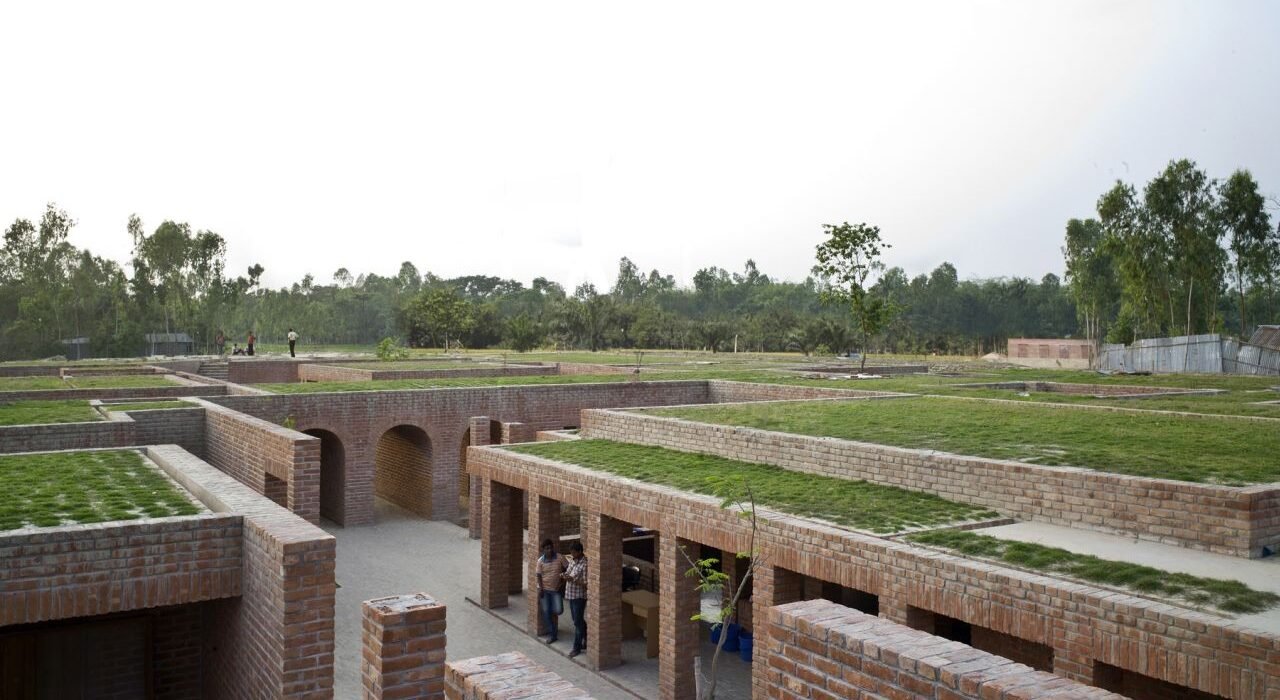
Among significant stories in Architecture news, Friendship Centre remains relevant because it demonstrates how timeless design emerges from context, not trends. Located in Gaibandha, a region shaped by flooding, heat, and seasonal extremes, the building responds through careful planning rather than spectacle. The result is an architecture of calm: low-slung forms, sheltered courts, and a sequence of contemplative spaces that feel both grounded and memorable.
Designed by Kashef Mahboob Chowdhury – URBANA, the centre avoids flashy gestures. Instead, it creates luxury through:
- Material honesty with richly textured brick surfaces
- Climate-responsive planning that supports comfort and durability
- Water features and courtyards that cool and soften the environment
- Measured light and shadow that add drama without ornament
- Human-scaled spaces that encourage reflection and community
This is precisely why the project continues to feature in Architecture news discussions: it offers a compelling model for meaningful contemporary architecture in a changing world.
A Masterclass in Luxury Architecture Through Restraint
For audiences drawn to luxury architecture, Friendship Centre offers a sophisticated reminder that true exclusivity is not always lavish. Here, refinement comes from proportion, silence, craftsmanship, and emotional depth. The architecture feels premium because every spatial decision appears deliberate.
Rather than chasing polished opulence, the project embraces a more enduring kind of luxury:
- Spatial luxury — generous courtyards and open circulation create a sense of breathing room.
- Sensory luxury — the tactile quality of brick, the reflection of water, and the coolness of shaded passages heighten the experience.
- Emotional luxury — the centre provides calm, retreat, and connection, qualities increasingly prized in high-end design.
This approach aligns closely with current conversations in luxury home and luxury decor circles, where homeowners and designers are seeking environments that feel restorative rather than overstated. In that sense, Friendship Centre is not only architecturally important; it is also highly relevant to contemporary residential inspiration.
How Climate and Context Shape the Design
One reason Friendship Centre continues to surface in Architecture news is its intelligent response to local conditions. Bangladesh presents significant environmental challenges, and the project addresses them with a strategy that feels both practical and poetic.
Low-rise planning and protective massing
The building stays close to the ground, using horizontal lines and enclosed courts to create a sense of protection. This reduces visual disruption while strengthening the relationship between architecture and landscape.
Courtyards as environmental devices
The courtyards are not decorative afterthoughts. They help organize movement, bring daylight deep into the plan, and support passive cooling. In luxury design terms, they also create moments of pause and privacy—an idea that easily translates to luxury home decor and outdoor living trends.
Water as atmosphere and performance
Water plays both a visual and climatic role. It introduces reflection, serenity, and a subtle cooling effect, contributing to the project’s meditative character. This integration of water and built form is a lesson many high-end residential designers continue to revisit.
Material Palette: Brick, Light, and Lasting Elegance
The visual identity of Friendship Centre is inseparable from its brick construction. In much of today’s Architecture news, materials are often discussed in terms of novelty. This project makes the opposite case: familiar materials, used with intelligence, can produce extraordinary results.
Brick gives the complex weight, texture, and permanence. Yet it never feels heavy-handed. Through rhythm, depth, and careful detailing, the walls capture changing daylight in a way that feels almost sculptural. Photographs by Eric Chenal, Anup Basak, and Kashef Chowdhury underscore this beautifully, revealing how the architecture shifts throughout the day.
For readers interested in luxury decor and luxury home aesthetics, the material lessons are clear:
- Natural materials age with grace
- Texture can be more powerful than ornament
- Muted palettes often create the most sophisticated spaces
- Light is one of the most important design materials of all
Design Lessons for Luxury Homes and Interiors
Although Friendship Centre is not a private residence, it offers rich inspiration for luxury home design. Its ideas can be translated into upscale interiors and landscapes in practical ways.
1. Prioritize sequence over decoration
The experience of moving through the building is carefully choreographed. Luxury homes can borrow this principle by using corridors, thresholds, courtyards, and framed views to create anticipation.
2. Use restraint to amplify quality
A limited material palette often makes craftsmanship more visible. Instead of layering expensive finishes, designers can focus on fewer elements executed exceptionally well.
3. Create quiet outdoor rooms
The project’s enclosed open spaces show how exterior areas can feel intimate and elevated. In a luxury home, this could mean a brick-walled garden court, a reflective pool, or a shaded lounge terrace.
4. Design for climate, not just style
Some of the best ideas in Architecture news today involve resilience and passive comfort. Friendship Centre proves that sustainability and elegance are not opposing goals—they can strengthen each other.
The Enduring Relevance of Friendship Centre
More than a decade after its completion, Friendship Centre still commands attention in Architecture news because it feels both humble and monumental. It avoids unnecessary extravagance, yet delivers an undeniably luxurious experience through space, materiality, and environmental intelligence.
For architects, designers, and luxury-minded readers, the takeaway is clear: exceptional design does not depend on visual excess. Friendship Centre shows that the highest form of luxury may be a place that is serene, purposeful, and deeply connected to its setting. In the fast-moving cycle of Architecture news, that kind of lasting value is what truly sets a project apart.