Architecture news rarely captures the emotional power of place as vividly as Parque Cultural Valparaíso. Set in the historic port city of Valparaíso, Chile, this 2011 project by HLPS transforms a charged urban site into a dynamic cultural destination, proving that exceptional design can reconcile memory, public life, and contemporary architecture. For readers drawn to luxury architecture and elevated spatial experiences, this project offers a compelling case study in how thoughtful renovation can create civic grandeur without excess.
Parque Cultural Valparaíso spans approximately 8,711 square meters and stands as a major example of cultural architecture shaped through renewal rather than replacement. Instead of imposing a disconnected new object on the city, the design embraces the layered identity of the site and reinterprets it for public use. The result is a sophisticated architectural statement that feels both monumental and deeply rooted in Valparaíso’s urban fabric.
Architecture News Spotlight: Why Parque Cultural Valparaíso Matters
In today’s architecture news cycle, projects that combine heritage, social impact, and strong formal design stand out for good reason. Parque Cultural Valparaíso does exactly that. Located in one of Latin America’s most visually distinctive cities, the project reimagines an existing civic site as a cultural complex devoted to gathering, performance, creativity, and public exchange.
What makes it remarkable is not only its program, but the way HLPS approached the intervention. The design balances restraint and boldness, preserving the spirit of the place while introducing contemporary volumes and open circulation. This is adaptive reuse at a high level: disciplined, contextual, and architecturally confident.
- Location: Valparaíso, Chile
- Architect: HLPS
- Project type: Cultural architecture, renovation
- Area: 8,711 m²
- Year: 2011
A Masterclass in Adaptive Reuse and Cultural Architecture
One reason this project deserves continued attention in architecture news is its intelligent handling of adaptive reuse. Rather than treating renovation as a compromise, HLPS uses it as a design strategy. The architecture acknowledges the site’s past while opening it to a new civic future, turning an enclosed and historically burdened place into one defined by access, light, and community.
This approach aligns closely with the values often celebrated in luxury design today: authenticity, craftsmanship, and spatial meaning. In the luxury architecture world, the most memorable projects are no longer just about expensive materials or dramatic silhouettes. They are about atmosphere, narrative, and the ability to create enduring experiences. Parque Cultural Valparaíso embodies that shift.
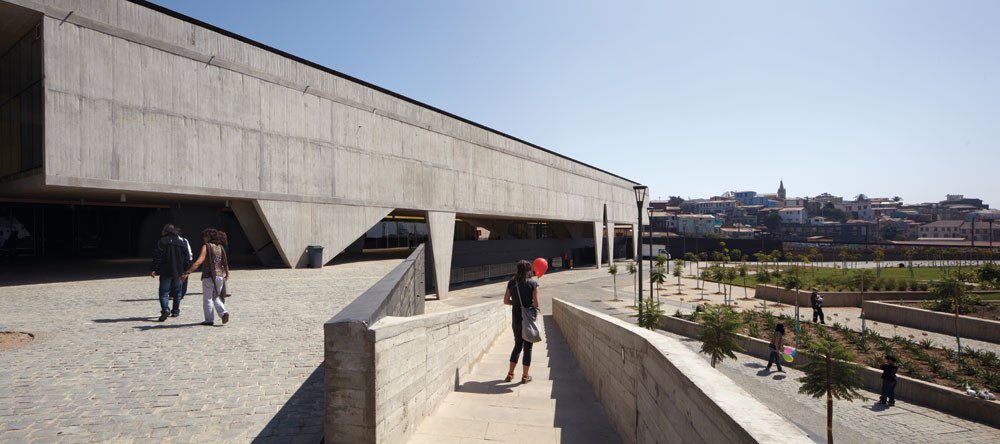
The project’s composition appears to rely on the tension between solid built forms and expansive public space. That contrast gives the complex a sense of dignity and openness, allowing visitors to experience the architecture as part building, part urban landscape. It is a reminder that luxury can also be found in generous scale, carefully framed views, and beautifully resolved circulation.
Design Qualities That Elevate the Experience
Although rooted in a public cultural mission, the project contains many qualities admired in high-end residential and interior environments. This is why it resonates beyond institutional architecture and into conversations around luxury home decor, luxury interiors, and refined spatial planning.
1. A Strong Sense of Material Presence
The architecture appears to favor a restrained palette, allowing form, structure, and texture to do the visual work. This kind of material clarity is a hallmark of sophisticated contemporary design. Instead of relying on ornament, the project achieves impact through proportion, massing, and tactile contrast.
2. Monumentality Without Excess
Parque Cultural Valparaíso demonstrates that a building can feel powerful without becoming overdesigned. Clean geometries and controlled interventions create a composed visual identity, one that feels timeless rather than trend-driven. In a design landscape often crowded with spectacle, that discipline is especially refreshing.
3. Public Space as a Luxury
One of the most compelling lessons from this architecture news feature is that openness itself can be luxurious. Large gathering areas, movement corridors, and cultural plazas create a sense of freedom rarely found in tightly programmed developments. The project elevates everyday experience by giving people room to engage with architecture on their own terms.
What Luxury Architecture Can Learn From This Project
For professionals and enthusiasts in luxury architecture, Parque Cultural Valparaíso offers several important takeaways. It shows how design excellence can emerge from limitations, history, and urban responsibility rather than from blank-slate construction alone.
- Context creates value: Architecture feels richer when it responds to place instead of ignoring it.
- Renovation can be aspirational: Reuse and transformation can produce spaces as striking as entirely new builds.
- Cultural depth matters: The best design tells a story and invites emotional connection.
- Spatial generosity is timeless: Grand, well-considered public space never goes out of style.
These principles translate naturally into luxury homes and interiors. Whether designing a private residence, a gallery-inspired living room, or a high-end retreat, the same ideas apply: preserve meaningful character, invest in proportion, and let materials and light shape the experience.
Parque Cultural Valparaíso in the Broader Design Conversation
As architecture news continues to spotlight sustainability, heritage preservation, and social relevance, Parque Cultural Valparaíso remains highly relevant. It is not simply a cultural building; it is an urban statement about reinvention. The project shows how architecture can transform perception, reclaim space for the public, and add long-term value to a city’s identity.
For design-focused readers in the luxury space, that relevance is especially important. Today’s most admired projects are often those that combine aesthetic refinement with purpose. Parque Cultural Valparaíso achieves both. It offers visual rigor, civic ambition, and a nuanced relationship between old and new—qualities that define truly lasting architecture.
In the end, the enduring appeal of this project lies in its balance. It is expressive but measured, contemporary but contextual, monumental yet inviting. That is precisely why it continues to deserve a place in architecture news and why it remains a powerful reference for anyone interested in luxury architecture, renovation, and design with cultural meaning.
Architecture news may move quickly, but projects like Parque Cultural Valparaíso remind us what lasts: architecture that honors its setting, elevates public life, and turns history into a platform for exceptional design.