

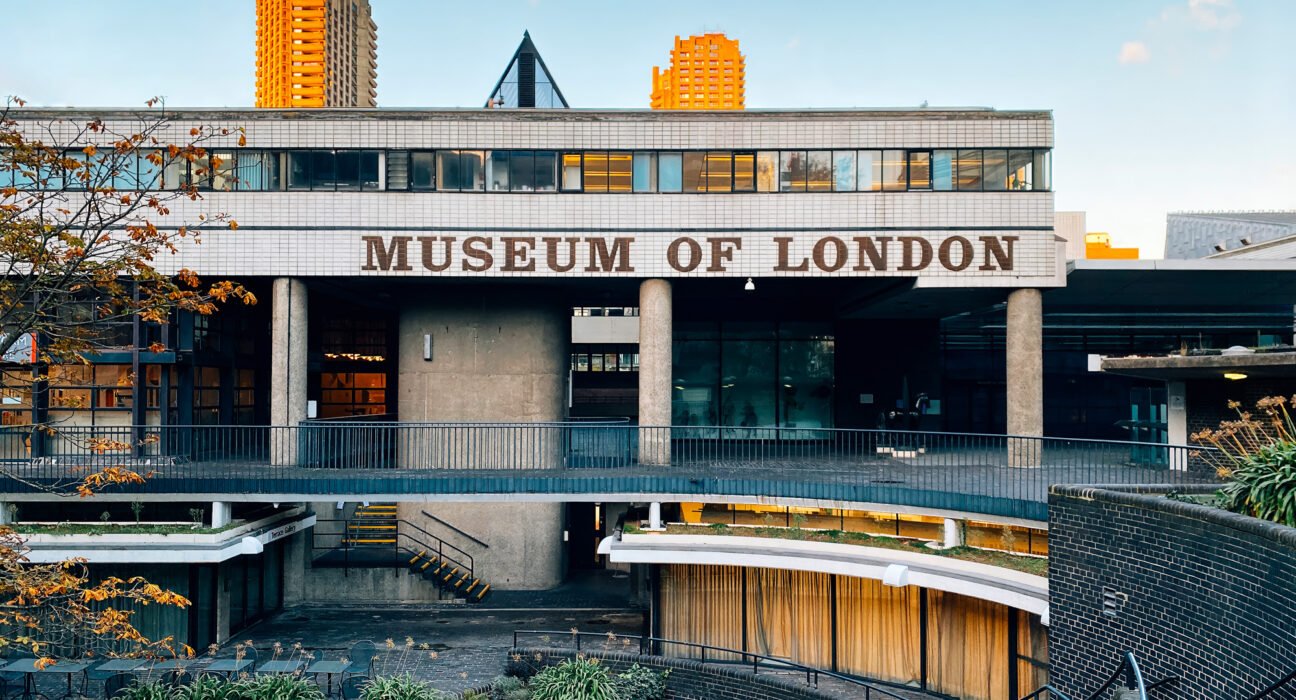
Architecture news rarely captures the emotional tension between heritage and redevelopment as sharply as the fate of the Museum of London. Long admired by architects, preservationists, and design lovers alike, this Brutalist landmark now stands at the center of a heated debate over demolition, adaptive reuse, and the future of the City of London.
Set at the junction of London Wall and Aldersgate Street in the Barbican district, the Museum of London opened in 1977 and became home to one of the world’s largest urban history collections. With more than six million objects documenting the capital’s social evolution, the institution itself was not just a container for history—it became part of London’s architectural story. Now, after closing for relocation, the building faces possible demolition as part of the London Wall West scheme, reigniting questions about how cities should treat ambitious late-modern structures.
Architecture News Spotlight: Why the Museum of London Matters
For anyone following architecture news, the Museum of London represents more than a former cultural venue. It is a defining piece of postwar British architecture, shaped by the powerful language of Brutalism and the urban planning ideals of its time. Its elevated walkways, strong geometric massing, and textured concrete surfaces connect it visually and conceptually to the broader Barbican landscape.
What makes the building especially significant is its dual identity:
- Architectural landmark: A compelling example of civic Brutalism in central London
- Cultural institution: A museum that documented the city from prehistoric times to the present
- Urban artifact: A structure deeply tied to the reconstruction of London after wartime destruction
In luxury architecture circles, buildings like this matter because they show that design value is not always defined by polished surfaces or new construction. Sometimes true sophistication lies in spatial drama, material honesty, and historical depth.
The Brutalist Design Language Behind the Building
The Museum of London may not fit conventional ideas of luxury home decor or refined interiors, yet its design holds undeniable appeal for those who appreciate bold form and crafted atmosphere. Brutalism, at its best, creates spaces that feel monumental, contemplative, and deeply connected to place. This building delivers that experience through a carefully composed sequence of terraces, voids, and layered circulation routes.
Key architectural features
- Heavy, sculptural concrete forms that create a powerful civic identity
- Elevated pedestrian connections reflecting modernist urban planning
- Deeply shadowed facades and recessed openings that add rhythm and texture
- A strong relationship with the surrounding Barbican estate and London Wall
Recent photographs by Arnolt Smead underscore the elegance hidden within the building’s severity. Light washing over raw surfaces, framed views through angular openings, and the interplay between infrastructure and public space reveal why many architects continue to champion Brutalist preservation. In today’s architecture news landscape, these visual qualities are helping shift public opinion toward renewed appreciation of concrete modernism.
Why Demolition Is So Controversial
The building’s planned removal to make way for the London Wall West development has triggered a strong response from campaigners, residents, and architecture critics. At the heart of the controversy is a familiar but increasingly urgent question: should cities demolish substantial 20th-century buildings, or should they retrofit them for contemporary needs?
Supporters of preservation argue that demolition would erase an important chapter of London’s architectural heritage. They also point to the environmental cost of replacing a massive existing structure with a new one. In an era when sustainability drives much of the most important architecture news, retrofit has become more than a conservation strategy—it is a design ethic.
The case for retrofit over demolition
- Embodied carbon savings: Reusing major structural elements can significantly reduce environmental impact.
- Cultural continuity: Historic modernist buildings contribute to the character and memory of a city.
- Design opportunity: Adaptive reuse can produce exceptional spaces that blend old and new.
- Urban authenticity: Retaining landmark structures avoids creating cityscapes that feel interchangeable.
For readers interested in luxury design and luxury architecture, this issue resonates beyond London. Across global capitals, premium real estate and high-end redevelopment projects increasingly face pressure to balance prestige with responsible stewardship.
What This Means for London’s Design Future
The debate surrounding the Museum of London reflects a broader shift in how design professionals evaluate beauty, value, and progress. Newness alone is no longer enough. Today’s most compelling projects often emerge from transformation rather than erasure, especially when they preserve the soul of a place.
That idea has growing influence across adjacent fields such as luxury home, luxury decor, and luxury home decor. Designers are embracing tactile materials, architectural character, and storied spaces over generic perfection. In that sense, the conversation around the museum aligns with larger design trends:
- A renewed appreciation for raw materials and expressive structure
- Interest in heritage-rich interiors with contemporary interventions
- A focus on sustainability as a marker of modern sophistication
- Demand for spaces with narrative, identity, and permanence
Whether or not the building survives, its story is already shaping public discourse. This is why the Museum of London remains essential architecture news: it asks not just what cities should build next, but what they should be brave enough to keep.
A Landmark at the Crossroads
The Museum of London is far more than an empty former museum awaiting redevelopment. It is a Brutalist landmark, a civic memory vessel, and a test case for the values guiding 21st-century urban change. As the London Wall West proposal moves forward, architects and the public alike will continue to weigh progress against preservation.
In the end, the most important takeaway from this chapter in architecture news is clear: great cities are not defined only by what they add, but also by what they choose not to destroy. The future of the Museum of London may remain uncertain, but its significance to architectural heritage is undeniable.