
Architecture news rarely captures a story as layered as this one: in Lima, citizens are rallying to protect ancient sites that have survived inside one of Latin America’s largest modern capitals. A new campaign is pushing for selected pre-colonial landmarks in the Peruvian capital to gain UNESCO World Heritage recognition, reframing how luxury architecture audiences, designers, and heritage advocates think about cultural value in the urban landscape.
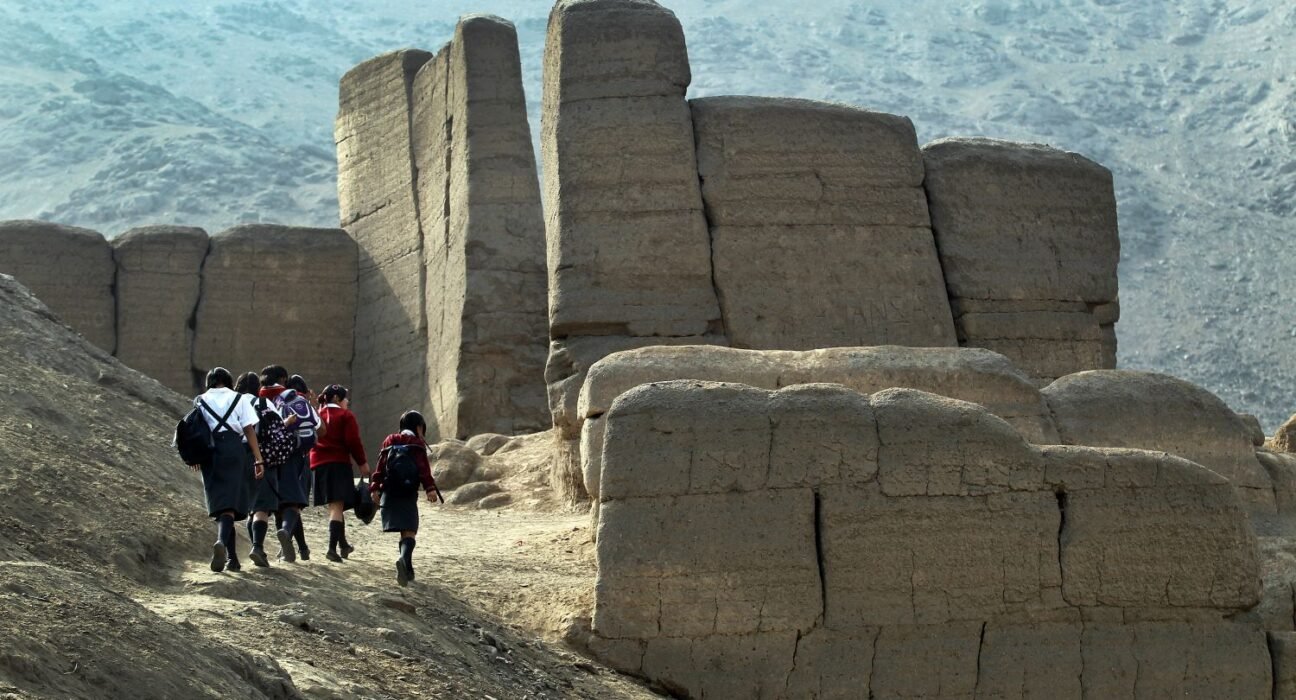
Led by Red Lima Milenaria, the initiative shines a spotlight on more than 600 archaeological sites scattered across Lima, a metropolis of roughly 11 million residents. These places are not isolated ruins beyond the city edge; they are woven into neighborhoods, roads, and expanding districts, where development pressure often collides with preservation needs. For anyone following architecture news, the campaign is a powerful example of how civic action can influence conservation, planning, and cultural identity.
Architecture News From Lima: Why the UNESCO Campaign Matters
The heart of the movement is simple but ambitious: build public support, create alliances with heritage organizations, and prepare the groundwork for a formal UNESCO nomination by the Peruvian state. If successful, the effort would give global visibility to some of Lima’s most important pre-colonial sites while strengthening arguments for their legal and physical protection.
In practical terms, UNESCO recognition could help:
- Increase international awareness of Lima’s ancient heritage
- Support stronger conservation policies and funding
- Encourage better urban integration of archaeological sites
- Expand heritage tourism in a more responsible, educational way
- Challenge colonial-era narratives that have long dominated the city’s historical identity
This makes the story especially relevant within architecture news because it is not only about monuments. It is about the future shape of the city, the politics of memory, and the idea that heritage can coexist with contemporary urban life.
What Are Huacas, and Why Are They So Important?
The sites at the center of the campaign are widely known as huacas, or wak’a, a term associated in Andean culture with sacred places linked to ancestors, deities, and spiritual power. These spaces are far more than archaeological remnants. They represent a continuity of belief, engineering, settlement patterns, and ceremonial life that predates colonial rule by centuries and, in some cases, millennia.
For architecture news readers, huacas offer a compelling study in material intelligence and place-making. Many were built with earthen construction techniques that responded directly to local climate and available resources. Others are connected to irrigation systems that still shape the territory today. Their significance reaches across architecture, landscape design, hydrology, and urban history.
What makes Lima extraordinary is the juxtaposition: ancient ceremonial platforms, fortifications, and canals survive amid apartment towers, highways, and dense residential districts. That coexistence is rare on a global scale and positions the city alongside capitals such as Amman, Yerevan, Jerusalem, Cairo, Abu Dhabi, Manama, and Beirut, all of which retain ancient architecture within their metropolitan fabric.
Key Sites That Could Define Lima’s Heritage Future
The proposed group of sites reflects the remarkable chronological depth and cultural diversity of Peru’s pre-colonial past. Among the most notable locations highlighted by the campaign are:
El Paraíso Huaca
Located in San Martín de Porres and dating to around 2000 B.C., El Paraíso is one of the oldest monumental complexes associated with the Lima region. Its age alone gives it major historical weight in global architecture news conversations.
Huaca Pucllana
Situated in Miraflores and dating to the 5th century A.D., Huaca Pucllana is perhaps one of Lima’s best-known archaeological landmarks. Its stepped adobe massing, urban visibility, and museum presence make it a vivid example of how ancient architecture can be integrated into contemporary city life.
Fortaleza de Campoy
This 12th-century fortress in San Juan de Lurigancho adds a defensive and territorial dimension to the proposed heritage narrative. It also illustrates the geographic spread of important pre-colonial sites beyond tourist-centered districts.
Sections of the Surco Canal
Roughly 2,000 years old, parts of the Surco Canal system remain in use today. For luxury design and landscape audiences, this is especially fascinating: it shows how infrastructure, ecology, and cultural memory can endure across centuries.
The Urban Pressure Threatening Ancient Architecture
One of the campaign’s strongest arguments is that these sites are under constant pressure from urban expansion and insufficient maintenance. In many parts of Lima, archaeological remains sit beside informal growth, major roads, and dense construction. Without stronger recognition and coordinated policy, their physical integrity and cultural meaning remain vulnerable.
This dimension of the story gives architecture news a broader social relevance. Heritage preservation is not just about restoring iconic landmarks; it is also about equitable city-making. Which histories get protected? Which communities are asked to care for them? And how can planners, architects, and local governments avoid treating ancient sites as obstacles to development rather than assets within it?
As municipal elections approach in Peru, the campaign is also inserting heritage into public debate. That timing matters. It asks candidates and institutions to address how Lima should grow while respecting the layers that define it.
What UNESCO Would Require
Securing World Heritage status is a long and rigorous process. To move forward, the nomination would need to show that the selected sites meet key UNESCO standards, including:
- Historical authenticity in materials, design, and setting
- Outstanding universal value under at least one official UNESCO criterion
- Adequate legal protection and management systems
- Clear conservation strategies for long-term stewardship
For followers of architecture news, this is where the story becomes especially instructive. Recognition is not symbolic alone; it requires governance, technical planning, documentation, and sustained public commitment.
A New Lens on Luxury Architecture and Cultural Value
Within the worlds of luxury architecture, luxury home design, and high-end decor, heritage conversations often center on craftsmanship, rarity, and timelessness. Lima’s huacas embody all three, but in a way that challenges conventional ideas of luxury. Their value lies not in exclusivity or surface finish, but in deep cultural continuity, environmental intelligence, and civic meaning.
That perspective can influence contemporary design in important ways:
- Prioritizing local materials and climate-responsive construction
- Designing homes and interiors with stronger ties to place
- Respecting archaeological and historical context in urban development
- Reframing luxury as permanence, memory, and stewardship
Seen this way, the latest architecture news from Lima is also a design lesson: true sophistication often comes from preserving what time has already proven valuable.
Conclusion: Why This Architecture News Story Deserves Global Attention
This architecture news story is ultimately about more than UNESCO status. It is about a city reconsidering its origins, citizens insisting on a broader historical narrative, and ancient sites demanding a place in the future of urban development. If the campaign succeeds, Lima could strengthen its standing as one of the world’s most compelling capitals for layered heritage, living archaeology, and culturally grounded design.
For architects, planners, and luxury design enthusiasts alike, the takeaway is clear: preserving pre-colonial landmarks is not an act of nostalgia. It is a forward-looking investment in identity, resilience, and civic beauty. That is why this architecture news from Peru matters far beyond Lima.