Lima is often introduced through its colonial plazas, Pacific coastline, and fast-growing skyline. But the most compelling Architecture news emerging from Peru today looks much further back: a citizen-led campaign is working to secure UNESCO World Heritage recognition for a selection of the capital’s pre-colonial archaeological sites, placing ancient earthen monuments and living infrastructure at the center of the city’s future.
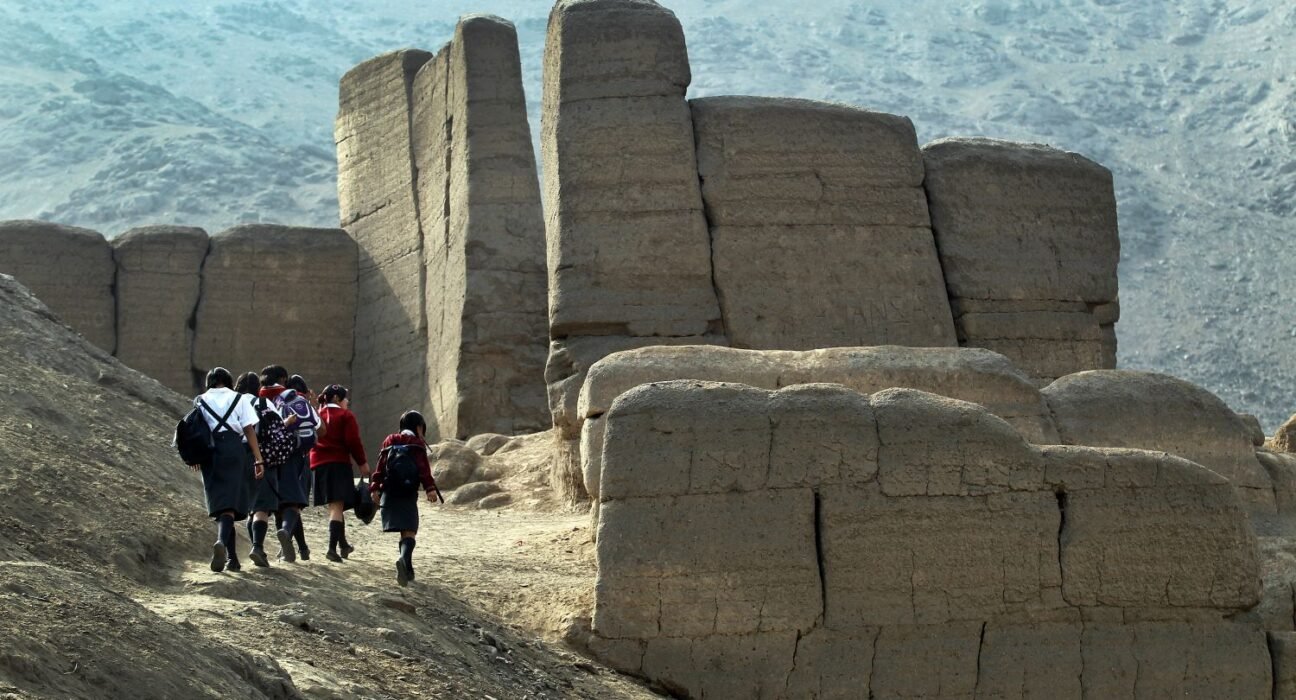
Led by Red Lima Milenaria, the initiative highlights a remarkable reality that many global design observers overlook: Lima, a metropolis of roughly 11 million residents, still contains more than 600 archaeological sites. These places, known as huacas, are woven into the fabric of contemporary neighborhoods, roads, and apartment districts. The campaign is not only about international prestige. It is also about conservation, cultural memory, and redefining what counts as urban heritage in one of Latin America’s largest capitals.
Architecture News From Lima: Why the UNESCO Campaign Matters
This story stands out in Architecture news because it connects preservation with urban development, public identity, and long-term planning. Rather than treating archaeology as a remote subject, the campaign argues that ancient sites should be understood as active components of the modern city.
The proposed effort seeks public support and institutional partnerships to prepare the groundwork for a formal nomination that would ultimately need to be submitted by the Peruvian state. If successful, UNESCO recognition could bring:
- Greater international visibility for Lima’s pre-colonial heritage
- Stronger incentives for site conservation and legal protection
- Broader public awareness of Indigenous and pre-Hispanic history
- A new framework for integrating archaeological landscapes into urban policy
At a time when many cities are debating inclusive histories and equitable development, Lima’s campaign reflects a broader Latin American movement to revisit narratives shaped by colonial legacies. In that sense, this is not just local heritage news; it is a meaningful shift in how architecture, identity, and public space are understood.
What Are Huacas and Why Are They Architecturally Important?
Huacas, or wak’a, are commonly described as sacred places in Andean culture, associated with spiritual power and ties to ancestors or deities. Over time, the term came to refer to sanctuaries, sacred objects, and revered places of cultural significance. In architectural terms, huacas represent far more than isolated ruins. They are evidence of sophisticated societies that shaped territory, ritual, construction, and water management long before European colonization.
For readers following Architecture news in the luxury and design sectors, huacas also offer a powerful reminder that material richness does not depend on opulence alone. Their significance lies in spatial intelligence, crafted earth construction, ceremonial planning, and an extraordinary relationship with landscape.
These sites include:
- Monumental earthen structures
- Fortified compounds and ceremonial platforms
- Ancient irrigation systems that still influence the territory today
- Urban archaeological remains embedded in living neighborhoods
Their survival within a dense modern capital makes Lima unusual on a global scale. According to the campaign’s preliminary research, the city joins a small group of capitals and metropolitan areas that retain architecture dating back around 4,000 years or more.
Key Pre-Colonial Sites in the Proposed UNESCO Effort
The campaign draws attention to several landmark sites that demonstrate the depth and diversity of Lima’s ancient built environment. This is one reason the initiative is attracting wider Architecture news coverage beyond Peru.
El Paraíso Huaca
Located in San Martín de Porres and dating to roughly 2000 B.C., El Paraíso is among the oldest sites in the proposed group. Its age alone positions it as an extraordinary reference point for early monumental architecture in the Americas.
Huaca Pucllana
Situated in Miraflores and dated to the 5th century A.D., Huaca Pucllana may be the most internationally recognizable of Lima’s huacas. Surrounded by one of the city’s most visible urban districts, it vividly illustrates the tension and potential harmony between ancient heritage and high-value contemporary development.
Fortaleza de Campoy
In San Juan de Lurigancho, this 12th-century fortress broadens the story beyond ceremonial architecture, underscoring the defensive and territorial complexity of pre-colonial societies in the region.
Sections of the Surco Canal
Approximately 2,000 years old, the Surco Canal is especially compelling because it represents heritage as infrastructure. It reminds planners and designers that ancient engineering systems can remain relevant within modern urban life.
The Preservation Challenge Inside a Growing Capital
One reason this issue belongs in major Architecture news coverage is the sheer pressure these sites face. Many huacas sit amid informal growth, road expansion, residential construction, and inconsistent maintenance. Their settings are not frozen museum landscapes; they are contested urban territories.
This creates several challenges:
- Conservation: Earthen architecture is highly vulnerable to neglect and environmental stress.
- Urban integration: Cities must decide whether heritage will be isolated, fenced off, or woven meaningfully into public life.
- Political will: Municipal agendas often prioritize short-term development over long-range cultural stewardship.
- Public understanding: Preservation is difficult when residents are not invited to see these places as part of their own identity.
With municipal elections approaching in Peru, the campaign is also pushing for these questions to become part of the broader debate about how Lima should grow.
What UNESCO Recognition Would Actually Require
In practical terms, a UNESCO nomination is a rigorous process. Sites must demonstrate authenticity in materials, design, and setting, while also meeting at least one of UNESCO’s official selection criteria. Just as importantly, authorities must prove that the properties have adequate legal protection and a viable management strategy.
That means this Architecture news story is not simply about symbolic recognition. It is about creating the administrative, legal, and cultural framework needed to protect these sites over time.
For architects, designers, and heritage professionals, the campaign offers an important model: preservation succeeds when it combines scholarship, public engagement, and policy advocacy rather than relying on nostalgia alone.
Why This Story Resonates Beyond Peru
The global relevance of this Architecture news story lies in its challenge to conventional heritage hierarchies. For centuries, dominant narratives in Lima often treated the colonial era as the city’s starting point. This campaign insists on a much longer timeline—one that foregrounds Indigenous knowledge, ancient building traditions, and infrastructural intelligence.
That shift matters not only for historians but also for contemporary design culture. In luxury architecture, luxury home decor, and luxury design conversations, there is growing interest in authenticity, place-based craftsmanship, natural materials, and resilient building traditions. Lima’s huacas embody all of those values in a deeply rooted and non-stylized form.
They ask a sophisticated design question: how should a modern city live alongside sacred, ancient, materially fragile architecture without erasing it or turning it into spectacle?
Conclusion
The most important takeaway from this Architecture news story is clear: Lima’s pre-colonial sites are not peripheral remnants of the past, but essential elements of the city’s identity and future. The citizen-led push for UNESCO status could transform how these huacas are protected, understood, and integrated into urban life. If the campaign succeeds, it will not only elevate Peru’s heritage on the world stage—it could also become a model for cities everywhere seeking a more inclusive, historically honest vision of preservation.