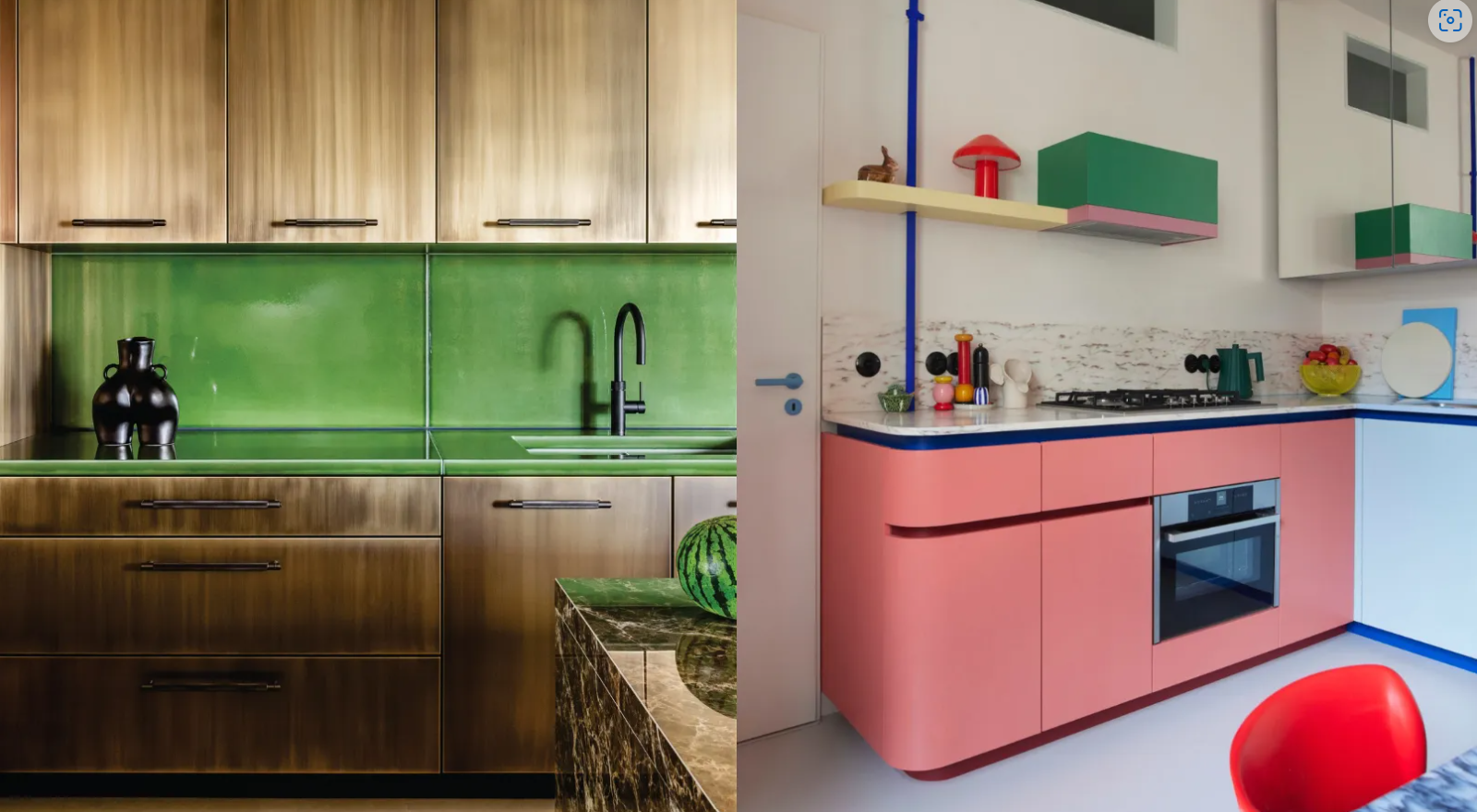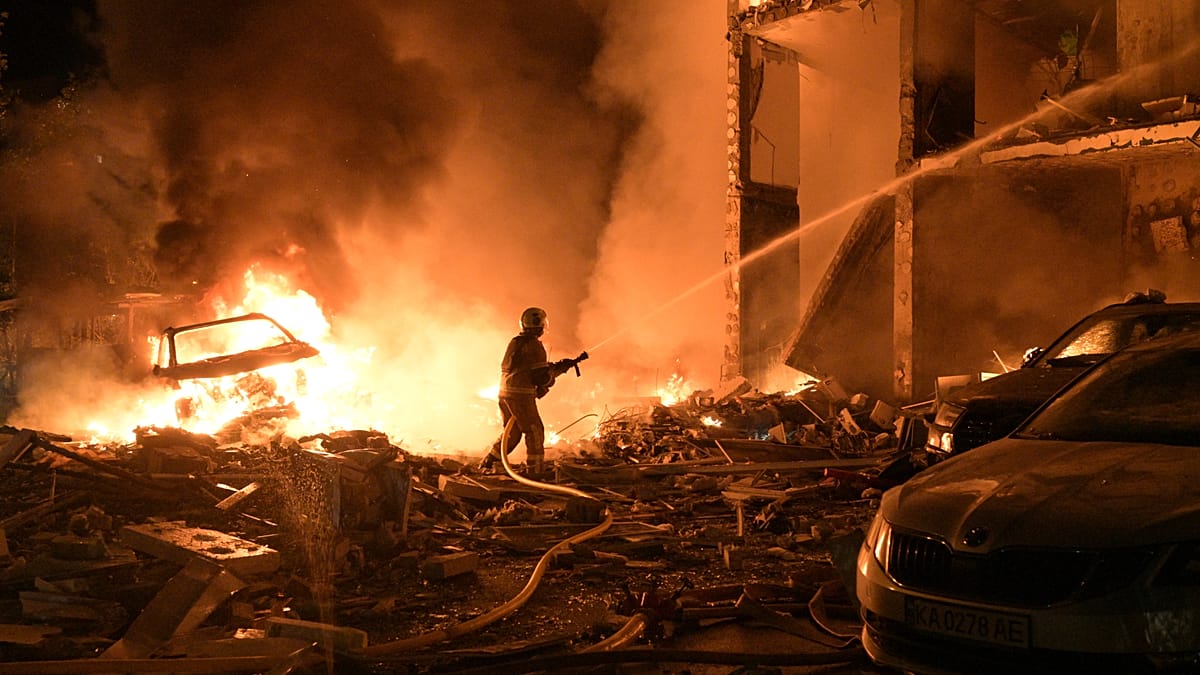
Luxury design is often associated with beauty, comfort and permanence, but the latest Kyiv overnight attack is a stark reminder that the spaces people treasure most are also the most vulnerable in war. As missiles, drones and explosions struck Ukraine’s capital, residential buildings were damaged, families rushed into shelters and ordinary homes became the front line of a humanitarian tragedy.
According to officials, the Kyiv overnight attack involved waves of ballistic missiles, cruise missiles and drones. Authorities said at least eight people were killed, including seven in Kyiv and one in the Bucha district northwest of the capital, while dozens were wounded across the city and surrounding areas. The attack reportedly hit residential areas, with partial collapse in one district and damage to several multistorey buildings in another.
Kyiv Overnight Attack Exposes the Fragility of Home
The scale of the Kyiv overnight attack underlines a painful truth: home is more than architecture. It is memory, identity, safety and emotional investment. In Kyiv, residents sought shelter in metro stations while air defences operated overhead, as explosions echoed across the city.
Officials said damage was reported in multiple districts, including:
- Part of a residential building collapsing in Podilskyi
- Damage to multistorey buildings in Darnytsia
- People believed to be trapped under rubble
- Casualties and injuries across Kyiv and nearby areas
For readers interested in luxury decor and high-end interiors, this is a sobering moment. The Kyiv overnight attack reminds us that the true value of a living space is not only found in premium materials, bespoke furniture or architectural prestige, but in the human lives unfolding inside it.
What Happened in Kyiv
The attack was still reportedly underway early Monday morning, making it one of the most serious strikes on the Ukrainian capital in recent days. Ukrainian officials warned of a large-scale assault beforehand, and the latest barrage came less than a week after another major attack on Kyiv and its surrounding region.
The key facts currently reported include:
- Russian forces launched missiles and drones overnight
- Kyiv’s air defences were activated during the assault
- At least eight people were killed
- At least 34 people were wounded in Kyiv and nearby areas
- Residential buildings sustained severe damage
The Kyiv overnight attack also highlights the broader escalation in long-range strikes by both sides, more than four years after Russia began its full-scale invasion of Ukraine. President Volodymyr Zelenskyy renewed calls for additional Western air-defence support, especially more Patriot missiles, arguing that stronger protection is essential to reduce civilian deaths and infrastructure destruction.
Why This Matters Beyond Breaking News
At first glance, a war report may seem distant from the worlds of luxury brands, luxury decor and luxury design. Yet the connection is real and increasingly unavoidable. Design is not only about aesthetics; it is also about resilience, liveability and the preservation of human dignity.
The Kyiv overnight attack raises urgent questions for architects, developers and premium home brands across Europe:
- How should urban housing be designed for resilience?
- Can high-end residential planning better integrate safety features?
- What responsibilities do design industries have during humanitarian crises?
- How can reconstruction balance heritage, elegance and security?
Luxury has evolved. It no longer means excess alone. In today’s context, true luxury increasingly includes peace of mind, structural safety, energy independence and the ability of a home to protect the people within it.
Luxury Design After Conflict: A Shift Toward Resilient Elegance
As Europe watches events in Ukraine unfold, the future of premium architecture and interiors may be shaped by lessons drawn from cities under threat. The Kyiv overnight attack is one more example of why resilience is becoming a defining design value.
1. Security is becoming part of premium living
In luxury real estate, discreet safe rooms, reinforced glazing, backup power systems and air-filtration technologies are increasingly discussed not as extreme measures, but as future-facing amenities.
2. Emotional durability matters as much as material durability
Homes are designed to comfort as well as impress. When war damages residential space, it reveals how much design contributes to emotional stability. Calm layouts, adaptable rooms and community-oriented buildings all matter in moments of crisis.
3. Reconstruction will demand craftsmanship and cultural sensitivity
Should damaged districts eventually be rebuilt, the process will likely require a combination of modern engineering, local identity and preservation-minded design. That creates an important role for architects, artisans and premium material specialists.
The Human Cost Behind the Headlines
It is essential not to lose sight of what the Kyiv overnight attack ultimately represents. This is not just a story about military escalation or damaged infrastructure. It is a story about civilians whose homes were struck while they slept, families waiting for news beneath shattered buildings and communities trying to endure repeated attacks.
Statements from city officials emphasised that these were residential places where ordinary life was unfolding. That detail matters. War’s destruction is often measured in numbers, but its deepest impact is personal: bedrooms destroyed, kitchens buried in rubble, hallways turned into emergency exits.
For sectors centred on luxury living and refined interiors, there is a profound lesson here. Beautiful spaces are never only objects of aspiration. They are containers for life itself.
What Comes Next
The latest strike is likely to intensify international attention on Ukraine’s air-defence needs and the vulnerability of civilian districts to missile and drone warfare. It may also sharpen debate around reconstruction, urban planning and the future of residential architecture in conflict-affected regions.
In that sense, the Kyiv overnight attack is both an immediate tragedy and a long-term warning. Safety, shelter and human-centred design can no longer be treated as secondary concerns, even in conversations traditionally focused on luxury, aesthetics and exclusivity.
As Europe reflects on the consequences, one takeaway is clear: the highest form of luxury is not opulence, but security, stability and the chance to live peacefully at home. The Kyiv overnight attack makes that truth impossible to ignore.