When 80 vials of fentanyl vanish from a Rome hospital without any sign of forced entry, the story is not only about crime or public health. The Rome fentanyl theft also exposes a deeper issue: how the design of secure medical spaces, storage systems and controlled-access environments can protect society when the stakes are at their highest.
Although this incident sits outside the traditional world of luxury brands, luxury decor and luxury design, it still highlights a principle familiar to premium architecture and high-end interiors: exceptional design is never only aesthetic. In the most sensitive settings, design must also deliver security, traceability, discretion and operational control.
What Happened in the Rome Fentanyl Theft
Italian authorities have launched an investigation after 80 vials of fentanyl disappeared from the pharmacy of Rome’s Israelitic Hospital. According to reports, the theft was discovered on 24 June, and one of the most striking details is that there were no visible signs of a break-in at the safe where the drug was stored.
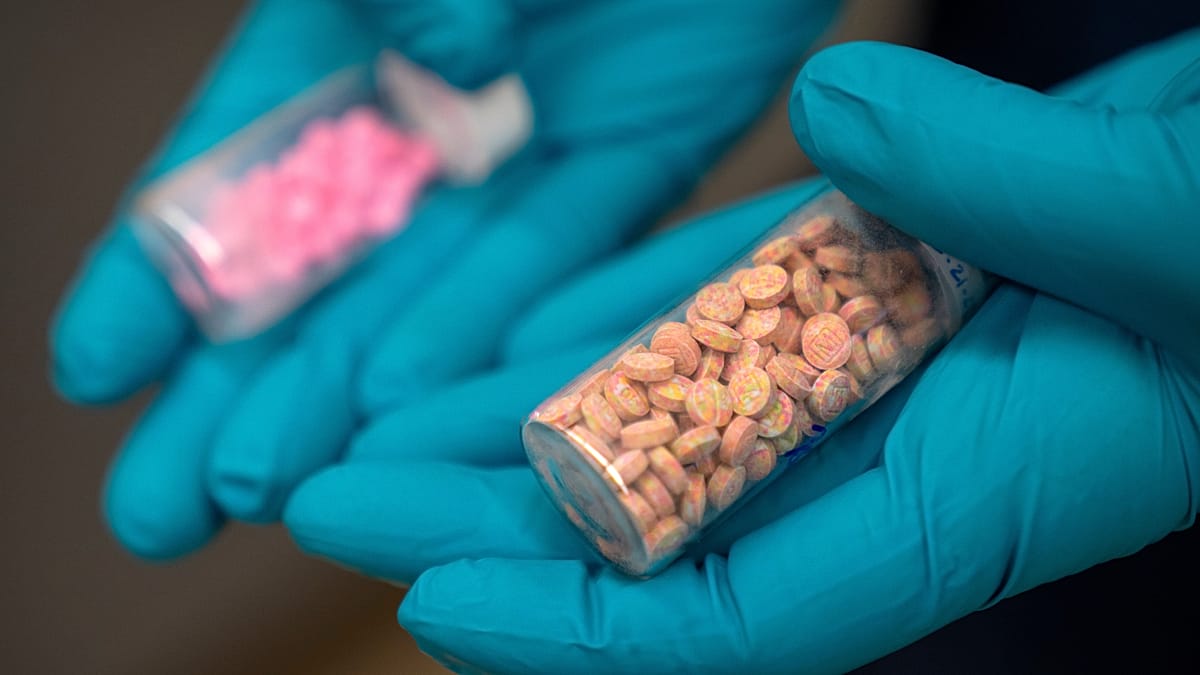
That detail has intensified concern around the Rome fentanyl theft. Fentanyl is a legal and essential medicine in clinical care, especially for anaesthesia and severe pain management, but it is also an extremely powerful synthetic opioid. Authorities say the stolen quantity could be enough to produce roughly 20,000 illicit doses, making the case a matter of national concern.
Prosecutors in Rome have opened an inquiry, while the Carabinieri NAS unit has been tasked with the investigation. Italy’s Ministry of Health has also moved to increase scrutiny, and the case prompted an emergency meeting at Palazzo Chigi focused on safeguarding public health and preventing similar breaches.
Why the Rome Fentanyl Theft Matters Beyond Healthcare
The Rome fentanyl theft is first and foremost a public safety story, but it also offers an important lesson in environmental control and security-focused design. In any premium or high-risk environment, from private vaults to museum-grade archives and executive residences, the value of a space depends on more than its visual polish. It depends on how intelligently it manages access, accountability and human behavior.
In healthcare, controlled substances require:
- Restricted physical access
- Clear chain-of-custody procedures
- Secure storage infrastructure
- Routine auditing and compliance checks
- Integrated monitoring technology
When one of those layers fails, even a well-appointed facility can become vulnerable. That is why the Rome fentanyl theft resonates far beyond hospitals. It is a reminder that sophisticated environments need systems thinking, not just surface-level refinement.
Secure Design Is Becoming a Luxury Standard
Across luxury design, there is a growing understanding that true exclusivity includes safety, privacy and resilience. High-end homes, boutique hospitality spaces and collector-grade interiors increasingly integrate hidden security features into the design language itself.
From visible safes to invisible systems
Traditional security used to announce itself through heavy doors, visible locks and overt barriers. Today, premium design often favors discreet protection embedded into architecture and interiors. That can include concealed storage, biometric access, compartmentalized layouts and materials selected for both elegance and resistance.
The Rome fentanyl theft underlines why such thinking matters. A secure environment cannot rely on one lock, one key or one assumption. It needs overlapping protections that reduce both external risk and insider vulnerability.
High-risk storage as a design discipline
Storage design is often overlooked, but in sensitive environments it becomes central. Whether protecting rare watches, fine jewelry, collectible art, archival wine or controlled pharmaceuticals, the best systems are designed around access hierarchy and tamper awareness.
Key features of strong storage design include:
- Limited and logged access points
- Time-stamped entry systems
- Separate authorization layers for sensitive inventory
- Real-time discrepancy alerts
- Regular physical and digital reconciliation
In that sense, the Rome fentanyl theft is also a case study in why storage spaces should be treated as strategic design zones, not back-of-house afterthoughts.
Lessons for Luxury Brands and Designers
For luxury brands and designers, the Rome fentanyl theft offers a broader takeaway about trust. Premium clients increasingly expect spaces and products that combine beauty with intelligence. Security, compliance and operational clarity are becoming part of the value proposition.
This applies across categories:
- Luxury residences: integrated safes, discreet surveillance and private wellness areas with controlled access
- Luxury retail: secure display systems, stockroom tracking and client privacy protection
- Luxury hospitality: pharmacy-grade controls for spa and medical wellness spaces
- Luxury decor: custom cabinetry and millwork that hide advanced locking and monitoring systems
- Luxury design studios: planning spaces where aesthetics support, rather than compromise, security
The best luxury design has always balanced emotion and precision. Today, that balance increasingly extends to risk management.
Italy’s Response and the Push for Tighter Controls
Following the Rome fentanyl theft, Italian institutions responded quickly. The Ministry of Health launched inspections and prepared additional measures to strengthen checks on fentanyl circulation and storage in medical facilities. The Lazio Region also ordered extraordinary inspections at the hospital and wider verification across regional healthcare structures.
The government has already been working under a national prevention framework targeting the improper use of fentanyl and other synthetic opioids. This latest incident is likely to intensify enforcement and sharpen focus on how high-risk medicines are managed at the facility level.
That response reflects a growing global reality: when a product is powerful, valuable and potentially dangerous, storage and oversight cannot be treated as routine administrative functions. They must be built into the environment from the start.
The Bigger Design Takeaway
The Rome fentanyl theft is a troubling criminal case, but it is also a design lesson. Whether in hospitals, luxury residences or elite commercial spaces, the environments people trust most are those that merge elegance with control. Beautiful spaces can no longer afford to be passive. They must be intelligent, accountable and secure.
For architects, interior designers and luxury brands, the message is clear: premium design is not only about what a space looks like, but how effectively it protects what matters. In that respect, the Rome fentanyl theft may become a powerful reminder that the future of luxury is as much about invisible safeguards as visible style.