
Architecture news rarely captures the balance of cultural ambition and architectural restraint as effectively as the newly unveiled design for the Clark Art Institute extension in Massachusetts. The proposal by Selldorf Architects signals a refined new chapter for one of New England’s most respected art destinations, blending contemporary design with the institution’s established legacy and pastoral setting.
For readers following luxury architecture, luxury design, and high-end cultural spaces, this project stands out as more than a museum expansion. It represents a thoughtful approach to how architecture can elevate the visitor experience, preserve the spirit of a place, and deliver understated sophistication without competing with the art itself.
Architecture News: A New Vision for the Clark Art Institute
The Clark Art Institute has long been admired for its combination of world-class collections, academic programming, and serene Massachusetts landscape. With Selldorf Architects now unveiling a fresh extension concept, the institution appears poised to strengthen its role as both a cultural landmark and an architectural destination.
Known for a design language rooted in clarity, proportion, and material sensitivity, Selldorf Architects brings a disciplined aesthetic to the project. Rather than relying on spectacle, the design seems to prioritize seamless integration, natural light, and a calm spatial sequence that supports the museum experience. In today’s architecture news cycle, where visual drama often dominates headlines, this kind of quiet confidence feels especially significant.
The extension is expected to complement the Clark’s existing campus while creating additional opportunities for exhibitions, circulation, and visitor engagement. For the museum sector, this reflects a wider trend in cultural architecture: expanding not simply for scale, but for flexibility, comfort, and long-term relevance.
Why Selldorf Architects Is a Defining Name in Luxury Design
Selldorf Architects has built an international reputation on elegant, deeply considered spaces that appeal to both cultural institutions and private residential clients. That crossover is one reason this project resonates strongly within luxury architecture and luxury home decor circles. The same design principles that make a museum feel timeless also influence the most desirable high-end homes and interiors.
Key characteristics often associated with the firm’s work include:
- Minimal yet warm architectural expression
- Careful use of natural materials
- Thoughtful transitions between indoors and outdoors
- Refined detailing that rewards close attention
- Spaces designed around experience rather than excess
These qualities are especially relevant to audiences interested in luxury decor and luxury home design, where the focus has increasingly shifted toward craftsmanship, serenity, and lasting value. The Clark Art Institute extension appears to align with that philosophy, proving that cultural architecture can also inspire residential aesthetics.
How the Extension Could Enhance the Visitor Experience
The best museum expansions do more than add square footage. They improve how people move, gather, pause, and connect with art. Based on the project’s presentation, Selldorf’s design likely aims to create a more fluid and intuitive experience, one that feels welcoming rather than monumental.
1. More Light-Filled Spaces
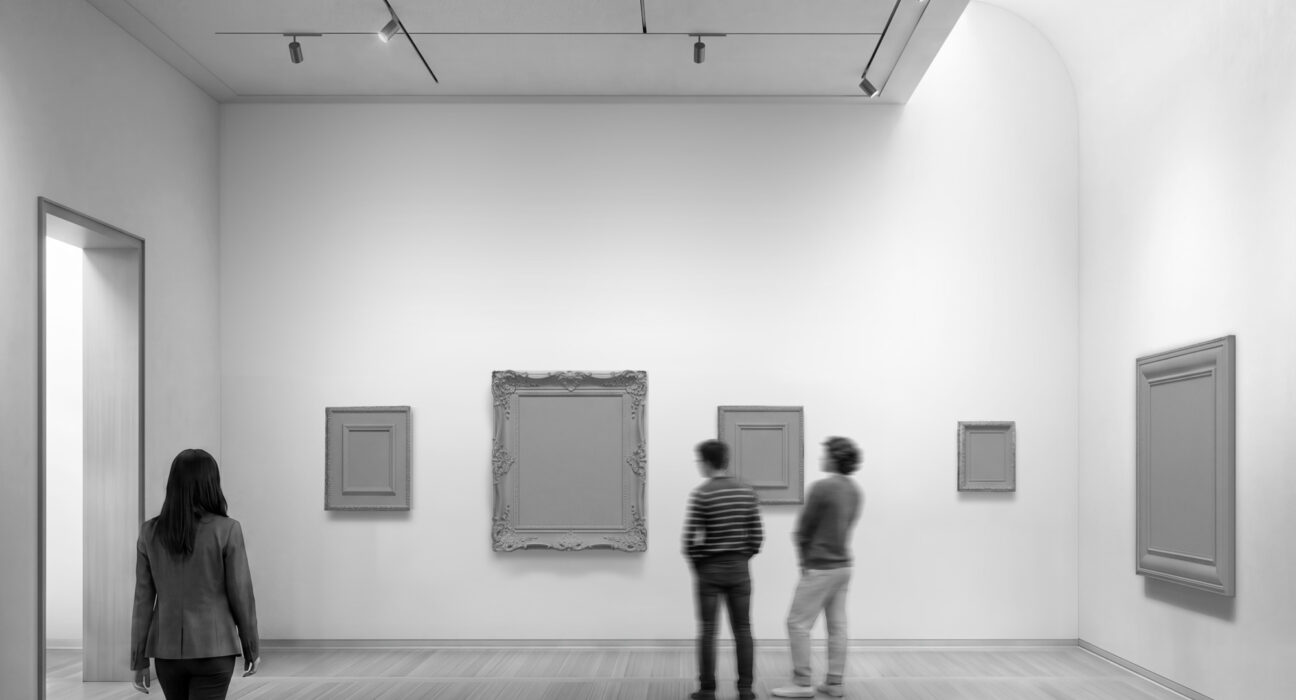
Natural light remains one of the most powerful tools in contemporary museum architecture. A carefully controlled luminous environment can make galleries feel more open while preserving suitable conditions for artworks. In current architecture news, daylight-focused design is a major marker of premium institutional projects, and the Clark extension seems positioned within that movement.
2. Better Campus Integration
One of the most important challenges for any extension is relating respectfully to what already exists. At the Clark, the landscape is integral to the identity of the institution. A successful addition must respond not only to the buildings on site, but also to views, topography, and the rhythm of arrival. This sensitivity is central to luxury architecture, where context is often the true measure of quality.
3. Flexible Programming Opportunities
Museums today must accommodate rotating exhibitions, educational events, and more dynamic visitor expectations. An extension can help institutions adapt by offering versatile spaces that support changing curatorial needs. In this sense, the Clark project reflects broader architecture news trends around resilience, multipurpose planning, and experience-led design.
What This Means for Luxury Architecture Trends
The Clark Art Institute extension also speaks to several wider movements shaping luxury design in 2026. Across cultural, residential, and hospitality sectors, architects are embracing a quieter form of prestige — one defined by atmosphere, precision, and material authenticity rather than visual overload.
Some of the most notable trend connections include:
- Understated luxury: clean lines and subtle detailing are replacing overt grandeur
- Context-driven design: buildings are responding more carefully to landscape and heritage
- Wellness through space: calm, light, and proportion are increasingly central to user experience
- Timeless materials: stone, wood, glass, and tactile finishes remain essential in premium design
- Cultural influence on residential interiors: museum-quality restraint is inspiring luxury home decor
This is why the story extends beyond institutional architecture. For homeowners, interior designers, and luxury developers, projects like this help define the visual language of contemporary refinement. The same values that shape a successful museum extension can influence a luxury home, from gallery-like walls and natural textures to serene circulation and curated lighting.
The Massachusetts Setting Adds Lasting Appeal
Location matters in every major piece of architecture news, and Massachusetts offers a compelling backdrop for this project. The region’s architectural identity is rooted in history, intellectual culture, and strong relationships to landscape. Any new intervention at the Clark Art Institute must therefore navigate both legacy and expectation.
Selldorf Architects appears particularly well suited to this challenge. A measured design response can preserve the dignity of the campus while introducing a contemporary layer that feels intentional rather than intrusive. That balance is often the hallmark of high-end design: knowing when to make a statement and when to let proportion, craftsmanship, and setting do the work.
Why This Project Matters Now
At a time when cultural institutions are rethinking their role, the Clark extension arrives with timely relevance. Museums are no longer just repositories for objects; they are destinations for reflection, education, community, and design inspiration. The architecture that houses them must support all of those functions with clarity and grace.
That is what makes this story worth following in architecture news. It is not simply about a new building, but about a broader design philosophy that values restraint, purpose, and enduring beauty. For audiences invested in luxury architecture, luxury decor, and sophisticated spatial design, the Clark Art Institute extension offers a compelling case study in how elegance can be quietly powerful.
In the end, this piece of architecture news points to a future where museum expansion is less about scale and more about sensitivity. If Selldorf Architects’ vision is realized as expected, the Clark Art Institute extension could become a benchmark for refined cultural design in Massachusetts and a lasting source of inspiration across the luxury design world.