
Luxury design rarely begins with a sketch alone—it begins with infrastructure. Uzbekistan’s energy expansion is becoming one of Central Asia’s most important economic stories, and for investors in luxury brands, luxury decor, and luxury design, it offers a revealing look at how power, technology, and high-end development increasingly move together.
As Uzbekistan works to lift electricity generation from 82 billion kilowatt-hours to more than 120 billion within five years, the country is not simply adding capacity. It is redesigning the foundations of modern growth through renewables, battery storage, grid upgrades, and nuclear energy. That matters because premium real estate, luxury hospitality, designer retail, and digitally enabled living all depend on stable, scalable, lower-carbon power.
Why Uzbekistan’s energy expansion matters to luxury design
At first glance, national power policy may seem far removed from the world of refined interiors, bespoke architecture, and premium consumer experiences. In reality, Uzbekistan’s energy expansion has direct implications for the environments where luxury value is created.
High-end residential districts, five-star hotels, private wellness retreats, designer showrooms, and mixed-use lifestyle destinations all require:
- Reliable electricity supply
- Advanced cooling, lighting, and climate systems
- Smart building technology and digital infrastructure
- Long-term sustainability credentials
- Modern urban networks that can support premium development
As electricity demand rises alongside industrial growth, population expansion, and data-driven sectors, Uzbekistan is positioning energy as a strategic asset. That creates a stronger backdrop for developers and luxury-facing businesses seeking confidence in future projects.
Renewables are reshaping the premium development landscape
A core feature of Uzbekistan’s energy expansion is the push toward renewable power. President Shavkat Mirziyoyev has said renewables are expected to account for 54% of electricity generation by 2030, backed by billions in foreign investment and further spending on transmission networks.
For the luxury sector, this is more than a climate headline. Renewable power is increasingly tied to brand perception and asset value. Upscale buyers and global hospitality operators now expect sustainability to be embedded in design, not added as an afterthought.
What that means for luxury projects
When a country scales solar, wind, storage, and grid modernization at the same time, it improves the conditions for premium development in several ways:
- Greener buildings: Luxury properties can market lower operational emissions and better energy performance.
- Stronger investor appeal: International capital increasingly favors projects aligned with environmental goals.
- Future-ready design: Smart homes, automated interiors, and energy-intensive amenities become easier to support.
- Brand differentiation: Luxury brands can enter markets with a stronger sustainability narrative.
In this sense, Uzbekistan’s energy expansion supports not just utilities policy, but also the design language of future upscale living.
How major financing is turning plans into physical projects
One reason Uzbekistan’s energy expansion stands out is that it is already attracting serious institutional backing. The European Bank for Reconstruction and Development invested heavily across Central Asia and Mongolia in 2025, with more than $1 billion directed to projects in Uzbekistan. Much of that support has gone into green and sustainable infrastructure.
Notable projects include large-scale solar generation paired with battery energy storage, including ACWA Power and Masdar-backed developments. These are significant because they show the market is moving beyond simple generation targets toward integrated systems that can manage renewable output more efficiently.
For luxury developers and design-led investors, this signals a market where infrastructure planning is becoming more sophisticated. Premium districts and hospitality assets thrive best where electricity systems are modern, resilient, and scalable.
The importance of grid upgrades
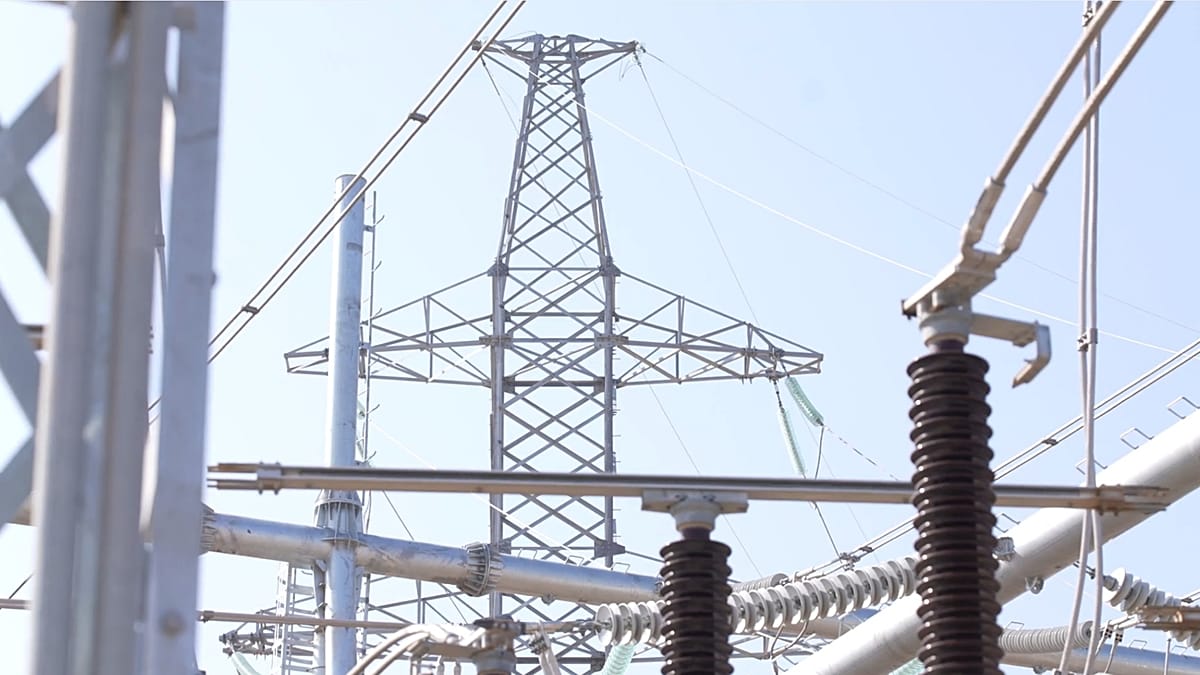
Uzbekistan also plans major spending on electricity transmission networks. That may sound technical, but for luxury design it is crucial. A visually stunning development loses value quickly if local infrastructure cannot support uninterrupted comfort, security, and digital performance.
Grid modernization can benefit high-end environments through:
- More dependable energy delivery
- Better support for smart buildings and connected devices
- Greater readiness for electric mobility and advanced amenities
- Improved long-term confidence for real estate and retail investors
Nuclear power adds another layer to Uzbekistan’s energy expansion
Renewables are central to Uzbekistan’s energy expansion, but they are not the full story. The country has also begun construction on its first nuclear power project in the Jizzakh region, adding a new low-carbon source of baseload electricity.
The planned project includes large reactors and small modular reactors, suggesting a diversified approach to future supply. For sectors linked to luxury design, that matters because premium assets often require uninterrupted, high-quality power around the clock. Hotels, curated retail spaces, data-enabled residences, and luxury wellness concepts all depend on consistency.
Uzbekistan currently relies heavily on natural gas for power generation. Expanding nuclear capacity could help free gas for other uses while broadening the country’s energy mix. From an investment perspective, diversification often translates into greater resilience—a quality luxury markets value highly.
A broader signal for luxury brands and luxury decor
Uzbekistan’s energy expansion is not only about megawatts. It reflects a broader modernization agenda that links power generation with industrial development, digital infrastructure, and private investment. That wider transformation can create fertile ground for luxury brands, luxury decor companies, and high-end design studios looking beyond saturated markets.
As infrastructure improves, so do the conditions for:
- Luxury residential and hospitality launches
- Designer interiors and bespoke furnishing demand
- Premium retail environments
- Art, architecture, and lifestyle collaborations
- Sustainable materials and energy-conscious decor solutions
In emerging luxury markets, energy security is often an invisible differentiator. Consumers may notice the elegance of a space first, but the comfort, technology, and continuity that define a premium experience are powered behind the scenes.
Conclusion: infrastructure is becoming the new luxury foundation
Uzbekistan’s energy expansion is a powerful reminder that the future of luxury design depends on more than aesthetics. It depends on the systems that make elevated living possible: clean power, resilient grids, advanced storage, and long-term energy planning.
For investors and brands watching Central Asia, Uzbekistan’s energy expansion offers a compelling signal. Where infrastructure becomes smarter and greener, opportunities for luxury design, luxury decor, and premium development tend to follow. In the years ahead, the most sophisticated luxury investments may be built not just on taste, but on power.