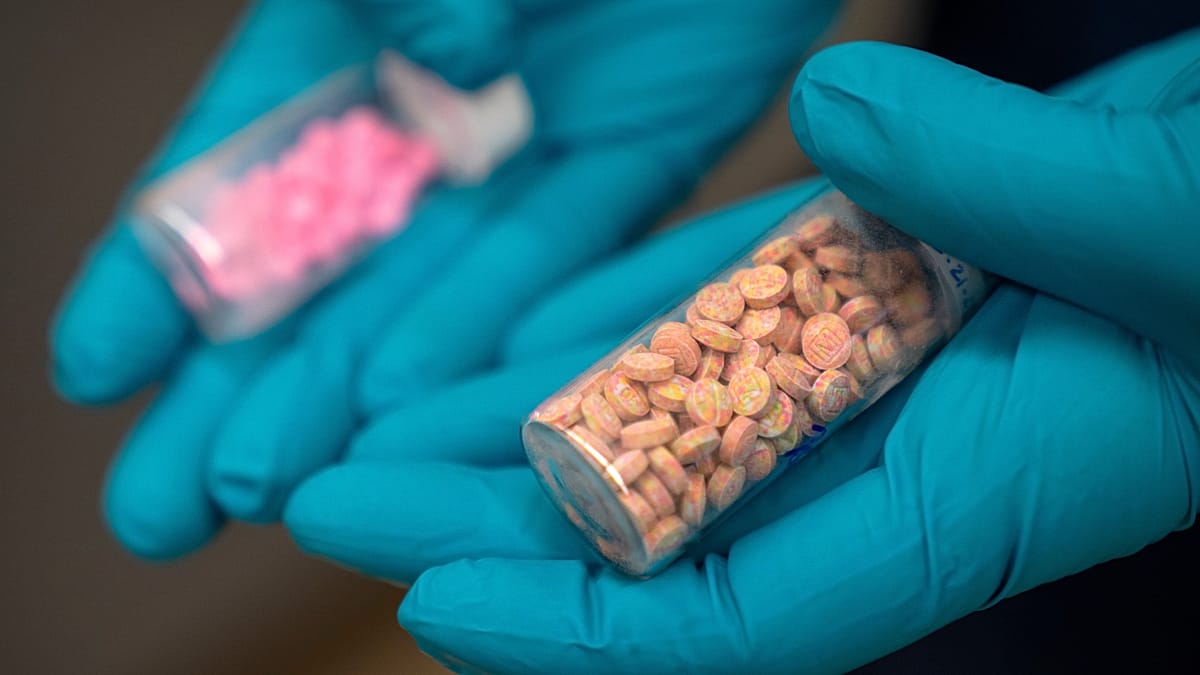
Luxury architecture is often associated with beauty, exclusivity and craftsmanship, but the latest emergency in Rome shows why high-end design must also deliver uncompromising security. After 80 vials of fentanyl were reported stolen from the pharmacy of Rome’s Israelitic Hospital, Italian authorities launched investigations and inspections, raising urgent questions about how healthcare environments are designed, monitored and protected.
At first glance, this may seem far removed from luxury interiors or premium architectural planning. Yet the incident highlights a critical truth for designers, developers and hospital operators alike: sophisticated spaces must balance elegance with rigorous control systems, especially where sensitive medicines, restricted access and high-risk storage are involved.
Why the Rome Hospital Fentanyl Theft Matters for Luxury Architecture
The reported disappearance of 80 fentanyl vials is alarming not only because fentanyl is an extremely potent synthetic opioid, but also because there were no visible signs of forced entry. Authorities say the quantity stolen could potentially be converted into roughly 20,000 illicit doses, making the case a major public health concern.
For professionals in luxury architecture, this story is a reminder that the most refined spaces are no longer judged by appearance alone. Hospitals, clinics, wellness retreats and private medical residences increasingly require a design language that integrates:
- Discreet but robust security infrastructure
- Controlled circulation between staff-only and public zones
- Secure pharmaceutical storage solutions
- Advanced surveillance without disrupting aesthetics
- Compliance with health and narcotics regulations
In premium healthcare design, form and function can no longer operate separately.
The Design Lesson: Security Must Be Built Into Luxury Interiors
The Rome hospital fentanyl theft underscores an issue that affects not only public institutions but also private medical facilities and luxury care environments. If restricted substances are stored in a safe accessible to multiple staff members, the design conversation must extend beyond cabinetry and finishes to include accountability, traceability and controlled access.
Beyond Beautiful Spaces
Luxury interiors in healthcare often focus on reducing stress through soft lighting, refined materials, acoustic comfort and hospitality-inspired layouts. These elements remain valuable, especially in high-end clinics and specialist treatment centres. But true luxury also means confidence in safety.
That requires interior planning that supports:
- Clear zoning of secure and non-secure areas
- Tamper-resistant storage integrated into pharmacy rooms
- Access logs tied to biometric or digital entry systems
- Optimised staff workflows that reduce security blind spots
- Lighting and sightlines that improve oversight
In other words, a serene, upscale medical interior should never compromise operational resilience.
When No Forced Entry Is Found
One of the most striking aspects of the case is the reported lack of forced entry. From a design and facilities perspective, that shifts attention toward procedural security and interior access control. A beautifully finished storage room means little if key management, user permissions and surveillance layers are outdated.
This is where luxury design can evolve intelligently. Hidden security measures, seamless digital systems and custom-built storage environments can preserve a calm visual identity while strengthening protection.
How Healthcare Design Is Changing After the Rome Hospital Fentanyl Theft
Italian authorities responded quickly. Prosecutors opened an investigation, the Ministry of Health initiated an inspection, and the government convened an emergency meeting at Palazzo Chigi. Regional health officials in Lazio also ordered broader checks on narcotic drug management across hospitals.
For architects, specifiers and interior designers, this type of response signals a wider shift in healthcare planning. Regulatory pressure is likely to increase around how high-risk medicines are stored and monitored. The Rome hospital fentanyl theft may therefore become a reference point for future healthcare design standards.
Key Priorities for Future Medical Spaces
Whether designing a flagship hospital wing, a private rehabilitation centre or a luxury wellness campus, project teams should prioritise:
- Layered access control: Separate permissions for pharmacy staff, clinicians and management.
- Integrated monitoring: Smart cameras, sensor alerts and audit trails built into the facility plan.
- Secure material selection: Locking systems, reinforced storage units and tamper-evident fittings.
- Operational transparency: Design layouts that support oversight without creating chaos.
- Regulatory adaptability: Spaces that can evolve with stricter compliance demands.
These are not merely technical upgrades. In premium environments, they are part of the broader user experience, reassuring patients, staff and stakeholders that excellence extends beyond appearances.
What Luxury Designers Can Learn From High-Risk Medical Environments
Although the Rome hospital fentanyl theft emerged from a healthcare setting, its lessons travel well beyond hospitals. Luxury residential architecture, private pharmacies, concierge medical suites and elite wellness retreats all deal increasingly with controlled products, private access and liability-sensitive operations.
That means luxury architecture must embrace a more intelligent definition of sophistication. The best projects now combine:
- Elegant concealment of security systems
- Custom millwork with compliance-grade locking mechanisms
- Spatial planning that reduces unauthorised movement
- Technology infrastructure hidden within refined finishes
- Interior design that supports both privacy and accountability
In this context, security is not an intrusion on design quality. It is a hallmark of mature, future-ready design.
A New Standard for Safe, Beautiful Spaces
The Rome hospital fentanyl theft is first and foremost a serious criminal and public health matter. But it also reveals a deeper issue for architecture and interiors: vulnerable systems often hide behind polished surfaces. As healthcare, hospitality and luxury living continue to converge, designers will be expected to create spaces that feel calm, exclusive and meticulously protected.
The clearest takeaway is simple. Luxury architecture must do more than impress the eye; it must anticipate risk, support compliance and protect what matters most. In the wake of the Rome hospital fentanyl theft, the future of premium design looks not just more beautiful, but smarter and safer too.