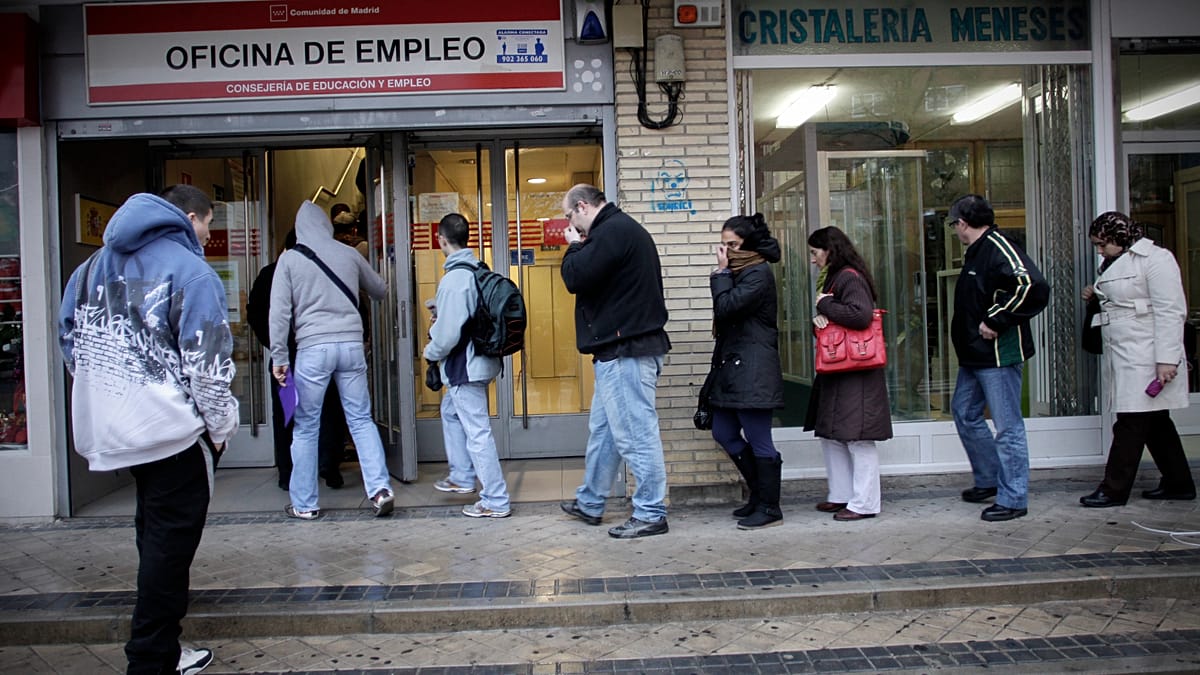
Spain unemployment drop headlines may seem far removed from the world of high-end homes, bespoke interiors, and landmark developments, but the connection is stronger than it appears. When employment rises, confidence follows—and in Spain, that renewed confidence is increasingly relevant for luxury architecture, luxury design, and luxury interiors.
New labour figures show Spain’s registered unemployment falling to 2,291,982 in June, the first time the country has dipped below 2.3 million jobless since January 2008. At the same time, Social Security membership climbed to a record 22.47 million. For property developers, premium brands, architects, and interior designers, this is more than a macroeconomic milestone; it is a signal that the market backdrop for upscale residential and hospitality investment is becoming more supportive.
Why the Spain unemployment drop matters to luxury architecture
The latest data points to a broader economic recovery that can directly influence design-led sectors. A falling unemployment rate often supports:
- Higher consumer confidence among affluent buyers
- Stronger demand for premium second homes and urban residences
- More investment in hospitality, retail, and mixed-use development
- Improved financing conditions for large-scale real estate projects
The Spain unemployment drop is especially notable because it brings the country back to levels last seen before the 2008 financial crisis. In practical terms, that kind of labour market strength can help unlock a new phase of development activity—particularly in design-conscious regions where luxury real estate, boutique hotels, and branded residences remain in demand.
For the luxury architecture sector, healthy employment data tends to create a more stable foundation for long-term planning. Developers are more willing to commission ambitious projects when the wider economy shows resilience, and investors are more likely to back schemes that blend aesthetics, lifestyle, and strong asset value.
Services, tourism, and the design economy
A key driver behind the Spain unemployment drop is the services sector, which accounted for nearly all of June’s improvement. That decline was closely tied to the start of the tourist season, underscoring how important travel and hospitality remain to Spain’s economic engine.
That matters enormously for luxury design. Spain’s high-end hospitality market depends on:
- Refined hotel interiors
- Architecturally distinctive resorts
- Premium retail environments
- Curated food-and-beverage spaces
- Wellness and lifestyle amenities
When hospitality and retail hiring accelerate, demand often rises for renovations, fit-outs, and new concepts. Luxury interiors firms benefit from this cycle as hotel groups and resort operators compete to offer immersive guest experiences rather than simple accommodation. In top-tier markets such as Madrid, Barcelona, Marbella, Ibiza, and Mallorca, strong tourism-linked employment can support further investment in high-spec spaces designed to attract international visitors.
Retail and hospitality are especially important
Wholesale and retail trade led monthly Social Security gains, followed by hospitality and administrative support services. For luxury-focused businesses, this suggests momentum in customer-facing sectors where design has a measurable commercial impact. Elegant storefronts, experiential showrooms, and elevated restaurant interiors are often among the first spaces to be reimagined when confidence returns.
Record employment and what it means for high-end residential demand
Beyond the headline Spain unemployment drop, Social Security registrations reached an all-time high. That record level of contributors matters because employment growth does not just shape spending—it influences household formation, relocation patterns, and property aspirations.
High-end residential demand is rarely driven by one factor alone, but a stronger labour market can contribute to:
- Greater domestic appetite for luxury upgrades
- Stronger executive and entrepreneur demand in prime cities
- More confidence among international buyers assessing Spain’s stability
- Increased renovation activity in heritage and coastal properties
Spain has long attracted global buyers seeking design-rich homes that combine architecture, climate, culture, and lifestyle. The Spain unemployment drop adds an additional layer of economic reassurance, particularly for those evaluating long-term investments in premium residences or mixed-use developments.
Women and youth employment may have wider lifestyle effects
The data also shows falling youth unemployment and a notable decline in female unemployment, with women’s joblessness dropping below 1.4 million for the first time since 2008. While these figures are social and economic indicators first, they also point to changing patterns of earning power, household decision-making, and aspirational spending. Those shifts can eventually shape how homes are designed—especially around flexibility, wellness, work-from-home functionality, and family-oriented luxury interiors.
Construction, self-employment, and opportunities for luxury design
Construction posted another monthly improvement in unemployment, while self-employment continued to rise, reaching 3.47 million. Both trends are relevant for the design and building industries.
A healthier construction environment can encourage:
- New luxury villa developments
- Adaptive reuse of historic properties
- High-performance sustainable building upgrades
- Greater collaboration across architecture, interiors, and specialist craftsmanship
Meanwhile, rising self-employment often aligns with growth in entrepreneurial activity. That can translate into new boutique concepts, independent hospitality brands, private clinics, galleries, and premium workspace projects—all sectors where luxury design is a strategic differentiator.
Foreign worker registrations also reached new highs, highlighting Spain’s role as a magnet for international talent. For luxury architecture and interiors, that can mean a richer labour pool, broader design influences, and stronger demand for cosmopolitan spaces that blend Mediterranean character with global sophistication.
What the Spain unemployment drop does not solve
Despite the positive momentum, the picture is not flawless. The number of people without previous employment rose in June, indicating that first-time job seekers and those re-entering the workforce still face challenges. That is a reminder that headline gains do not automatically translate into evenly distributed prosperity.
For luxury sectors, this means optimism should remain measured. Premium real estate and design thrive best not only on strong top-line data, but on durable, broad-based economic health. Labour market gains tied heavily to seasonal tourism can support short-term activity, yet the most sustainable outlook for luxury architecture comes from a balanced mix of services, construction, health, retail, and innovation-led employment.
Conclusion: a stronger economic backdrop for premium spaces
The latest Spain unemployment drop is more than a labour-market statistic—it is a meaningful signal for sectors shaped by confidence, capital, and lifestyle ambition. With unemployment at its lowest level since early 2008 and employment at a record high, Spain is presenting a more stable backdrop for luxury architecture, luxury design, and luxury interiors.
For developers, designers, and investors, the takeaway is clear: when jobs growth strengthens and confidence expands, demand for elevated spaces often follows. The Spain unemployment drop may not design a penthouse, resort, or villa on its own, but it creates the economic conditions that make visionary projects easier to imagine—and more viable to build.