Luxury architecture rarely exists in isolation from world events. As fresh diplomatic movement between the US and Iran places the Strait of Hormuz back at the center of global attention, developers, designers, and high-end homeowners have new reasons to rethink how projects are sourced, scheduled, and future-proofed. The latest Strait of Hormuz talks matter far beyond geopolitics: they touch the materials pipelines, energy costs, and procurement strategies that define luxury architecture, luxury design, and luxury interiors.
Qatar confirmed that US and Iranian negotiators held separate meetings with mediators and agreed to continue discussions after the funeral period for Iran’s late supreme leader. While officials described the exchanges as constructive, major sticking points remain, especially around maritime control, shipping routes, and the future status of the strategically vital waterway. For the luxury property world, those issues are not abstract. They can directly influence lead times for imported stone, bespoke metals, premium woods, designer lighting, and climate-control systems used in elite residential and hospitality projects.
Why the Strait of Hormuz talks matter to luxury architecture
The Strait of Hormuz is one of the world’s most important shipping corridors, handling a significant share of global oil and gas flows during peacetime. When negotiations around this route become tense, the ripple effects quickly reach construction and interiors markets. Energy-intensive materials such as glass, steel, aluminum, ceramics, and engineered stone are especially vulnerable to transport disruption and fuel-price volatility.
For luxury architecture firms, this means costs can shift unexpectedly even when a project’s design vision remains unchanged. A waterfront villa, branded residence, or ultra-prime penthouse may depend on globally sourced finishes arriving on precise timelines. If maritime access becomes contested or fees are imposed, procurement budgets can tighten fast.
- Imported marble and travertine may face shipping delays
- Custom metalwork can become more expensive due to energy costs
- European and Gulf furniture supply chains may see longer delivery windows
- MEP systems and smart-home technology can be affected by freight uncertainty
Luxury design under pressure from global supply chain uncertainty
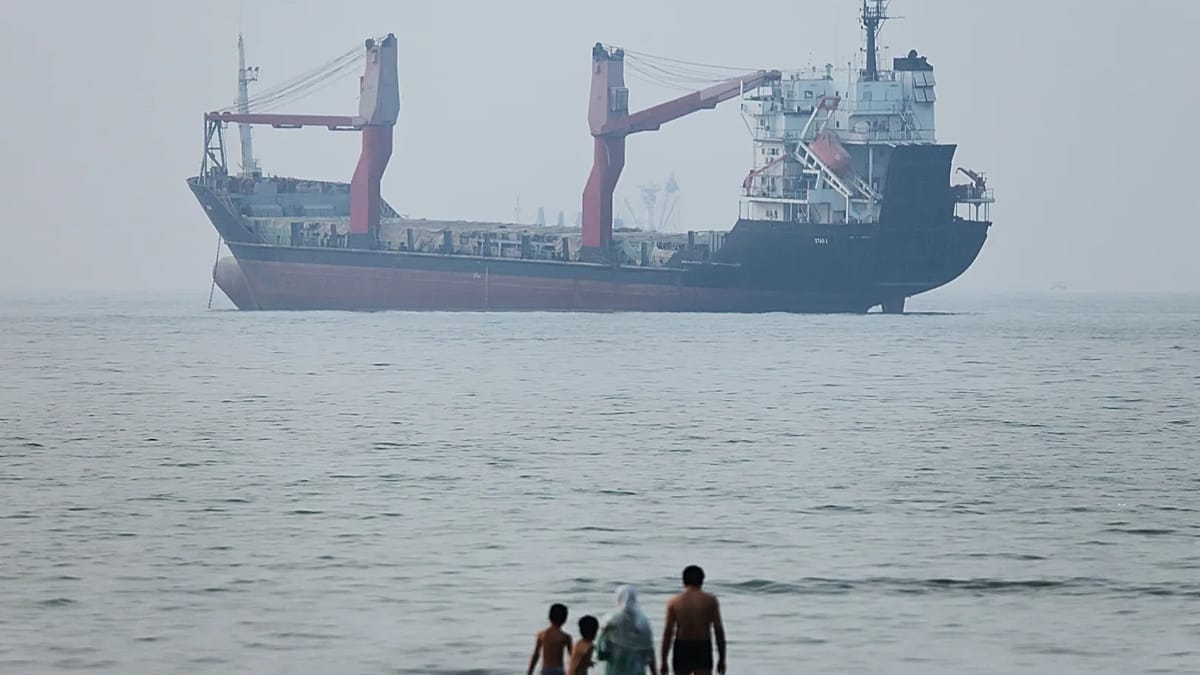
The current Strait of Hormuz talks include disputes over vessel routes, transit control, and possible future passage charges. Even the report of a ship running aground in the strait underscores how fragile logistics can become in a high-tension environment. For luxury design professionals, uncertainty itself is often the biggest cost driver.
Premium projects typically operate on a layered sourcing model. A single interior scheme may combine Italian stone, French hardware, Turkish textiles, Gulf-crafted joinery, and German automation systems. If one corridor becomes unreliable, the whole delivery sequence can shift, affecting installation crews, handover dates, and client expectations.
What designers are likely to do next
In response, luxury design studios and procurement teams are increasingly adopting more resilient planning methods:
- Dual sourcing: specifying backup suppliers for signature materials
- Earlier approvals: locking in samples and production runs sooner
- Regional diversification: balancing European imports with Middle East and Asia-based fabrication
- Inventory buffering: warehousing critical finishes before site installation
These strategies help preserve design intent while reducing the risk that geopolitical events derail a tightly choreographed interiors program.
How luxury interiors can adapt without sacrificing exclusivity
Luxury interiors depend on rarity, craftsmanship, and precision. Yet resilience is becoming just as valuable as originality. The latest Strait of Hormuz talks are a reminder that the most sophisticated spaces are now designed not only for beauty, but also for adaptability.
That does not mean compromising on quality. Instead, it means curating material palettes with both elegance and flexibility in mind. Designers can specify alternatives that maintain a refined aesthetic while shortening dependency on any one trade route. For example, regionally sourced natural stone, artisanal plaster finishes, and custom timber joinery can deliver depth and distinction with fewer logistics vulnerabilities.
Smart shifts in specification
- Use locally or regionally available luxury materials where possible
- Prioritize handcrafted finishes with shorter freight chains
- Select modular high-end lighting systems that can be phased in
- Choose bespoke upholstery and textiles from multiple approved mills
This approach is especially relevant in the hospitality and super-prime residential sectors, where project teams must protect both timelines and brand standards.
What developers and private clients should watch
The ongoing Strait of Hormuz talks are focused on preventing further escalation and moving toward a broader agreement, but unresolved disagreements remain over control of maritime passage and regional conflict. That means luxury developers, family offices, and private clients should keep a close eye on three practical indicators.
Key market signals
- Energy prices: rising fuel costs can increase manufacturing and transport expenses
- Freight insurance: higher risk premiums can inflate imported material budgets
- Shipping lead times: route changes may disrupt installation schedules
For projects in Dubai, Doha, Riyadh, London, Paris, New York, and the Mediterranean, these variables can shape everything from tender pricing to completion dates. The influence may be indirect, but it is real—particularly in developments that rely on global craftsmanship and layered international sourcing.
The new design brief: resilience as a luxury standard
One of the clearest lessons from the latest Strait of Hormuz talks is that resilience is now part of premium design value. In luxury architecture, true sophistication is no longer measured only by scale, rarity, or visual drama. It is also reflected in how intelligently a project handles risk.
The best firms are already responding by integrating procurement strategy into the design process from day one. Architects are collaborating earlier with quantity surveyors, logistics specialists, and fabricators. Interior designers are building contingency pathways into FF&E schedules. Developers are evaluating whether a project’s material story can remain compelling under changing trade conditions.
In other words, the next era of luxury may be defined by spaces that are not just beautiful, but exceptionally well-prepared.
As the Strait of Hormuz talks continue, the luxury sector should view diplomacy and shipping stability as more than background noise. They are core inputs into the cost, timing, and execution of high-end projects. For anyone working in luxury architecture, luxury design, or luxury interiors, the takeaway is clear: global resilience is now a design principle in its own right.