

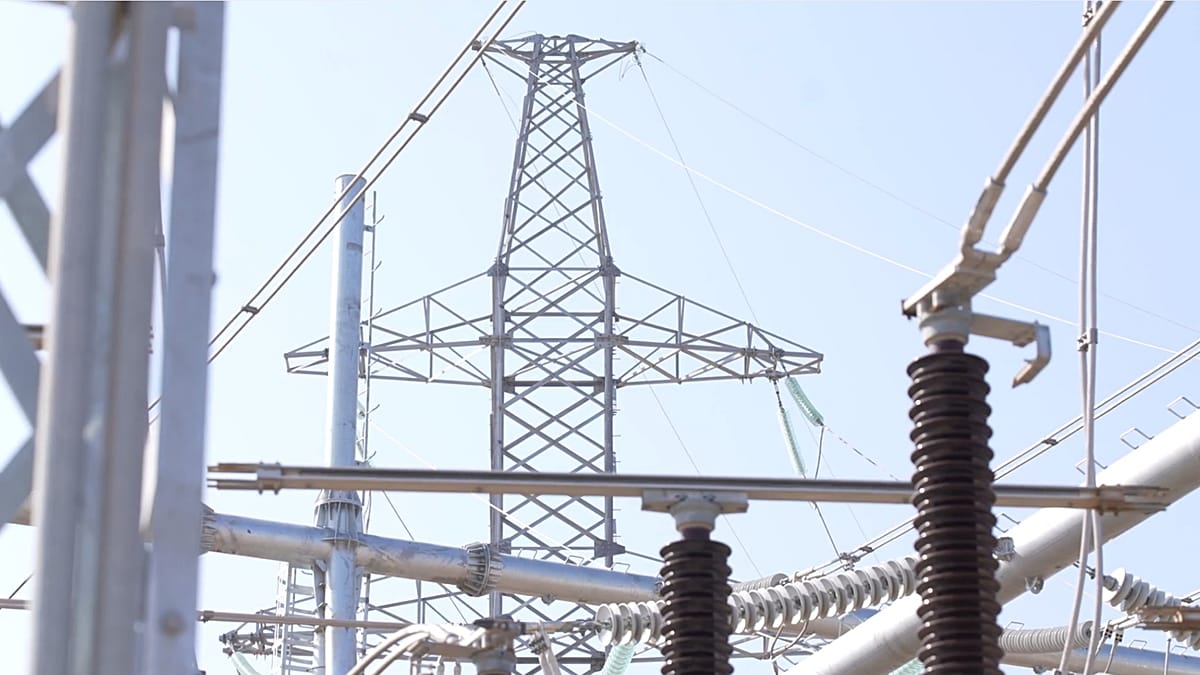
Luxury architecture is entering a new era, and energy is quickly becoming one of its defining materials. In Uzbekistan, a sweeping national power buildout is doing more than meeting demand—it is laying the groundwork for smarter estates, high-performance interiors, and design-led developments that depend on resilient, low-carbon infrastructure.
As the country aims to raise electricity generation from 82 billion kilowatt-hours to more than 120 billion within five years, Uzbekistan’s energy expansion is emerging as a major test of investment, planning, and long-term design ambition. For the worlds of luxury architecture, luxury design, and luxury interiors, this shift matters because premium spaces increasingly rely on stable power for climate control, wellness systems, lighting, automation, and digital living.
Why Uzbekistan’s Energy Expansion Matters for Luxury Architecture
High-end design no longer exists in isolation from infrastructure. Today’s most desirable residences, hotels, branded developments, and mixed-use destinations are built around energy-intensive features that must operate seamlessly.
That is why Uzbekistan’s energy expansion deserves attention beyond the utility sector. The country is scaling renewable generation, battery storage, transmission upgrades, and even nuclear capacity to support industrial growth, population demand, and digital infrastructure. For developers and designers, that signals a future where ambitious projects can be conceived with greater confidence in power reliability.
Luxury architecture depends on systems that are both invisible and essential, including:
- Whole-home automation and smart building controls
- Advanced HVAC for comfort and air quality
- Architectural lighting schemes and façade illumination
- Private wellness amenities such as spas, saunas, and pools
- Data-heavy security, communications, and entertainment networks
Without dependable electricity, these premium experiences lose value. Uzbekistan’s energy expansion therefore becomes part of the design conversation, not just an economic headline.
Renewables, Storage, and the New Design Economy
One of the most significant aspects of Uzbekistan’s energy expansion is its strong push toward renewable energy. The government expects renewables to account for 54% of electricity generation by 2030, while foreign capital continues to flow into solar, wind, and related infrastructure.
Major financing from institutions such as the European Bank for Reconstruction and Development has already supported large-scale solar photovoltaic projects paired with battery energy storage. That combination is especially important because it moves the country beyond simply adding generation capacity. It helps create a more flexible and resilient energy ecosystem capable of integrating intermittent clean power.
For luxury design, that matters in practical ways. Buildings with intelligent energy systems perform better when connected to a grid that can support cleaner and more adaptive electricity supply. The result is a stronger foundation for:
- Electrified heating and cooling systems
- Net-zero or low-carbon development strategies
- Green-certified hospitality and residential projects
- Wellness-focused interiors with continuous environmental control
- Future-ready smart homes and luxury compounds
In other words, Uzbekistan’s energy expansion is not just about megawatts. It is about enabling a more sophisticated built environment.
From Sustainable Infrastructure to Premium Living
Across global luxury markets, sustainability has shifted from marketing language to design requirement. Buyers and investors increasingly expect properties to combine beauty, comfort, and environmental intelligence. That includes energy-efficient materials, passive design, battery-backed systems, and a lower operational carbon footprint.
As Uzbekistan strengthens its green energy portfolio and modernises its grid, the country becomes more attractive for premium development that aligns with these expectations. Architectural excellence is easier to deliver when the broader infrastructure supports clean power and long-term resilience.
Grid Modernisation and the Rise of Intelligent Interiors
Another critical piece of Uzbekistan’s energy expansion is investment in transmission networks. The government plans billions in grid upgrades, recognising that generation alone is not enough. Power must be delivered efficiently, reliably, and at scale.
This is especially relevant for luxury interiors, where the user experience depends on uninterrupted performance. High-end interior environments increasingly integrate:
- Circadian lighting systems
- Invisible speakers and media walls
- Motorised shading and glass technologies
- Precision temperature zoning
- Wine storage, art preservation, and humidity control
These systems require a dependable electrical backbone. A modernised grid supports the kind of refined, technology-rich interiors now associated with elite living and hospitality.
It also supports the rise of green-powered data centres and digital infrastructure, both highlighted in the country’s broader investment agenda. That digital layer is increasingly important for luxury real estate, where connected services and remote management have become standard expectations.
Nuclear Power Adds Long-Term Stability
While renewables remain central, Uzbekistan’s energy expansion also includes a major nuclear milestone: the construction of the country’s first nuclear power project in the Jizzakh region. The planned development is expected to include two large reactors of about 1,000MW each, alongside two small modular reactors of roughly 55MW each.
From a design and development perspective, nuclear power introduces another dimension: stable, low-carbon baseload electricity. That reliability can be valuable in a fast-growing economy seeking to reduce dependence on natural gas while supporting new industries, residential communities, and commercial destinations.
For luxury architecture, long-term energy stability can influence everything from project viability to location strategy. Master-planned communities, landmark towers, and ultra-premium resorts all benefit from confidence in future infrastructure capacity.
A Broader Signal for Investors and Developers
Uzbekistan’s energy expansion also reflects a wider truth about emerging luxury markets: design growth follows infrastructure confidence. Investors may be drawn by architecture, lifestyle positioning, and urban transformation, but they stay focused on fundamentals such as power, transport, regulation, and delivery capability.
The country’s current trajectory suggests a market preparing for more sophisticated development. Renewable energy, storage, grid reform, and nuclear investment together point to an ecosystem being built for scale. That creates a stronger platform for luxury real estate, hospitality, and design-driven placemaking.
Conclusion: Uzbekistan’s Energy Expansion Could Power a New Design Chapter
Uzbekistan’s energy expansion is more than a utility story—it is a signal of how infrastructure can shape the future of luxury architecture. As the country invests in solar, battery storage, transmission upgrades, and nuclear power, it is creating the conditions for smarter buildings, more advanced interiors, and premium developments aligned with sustainability.
For architects, interior designers, developers, and investors, the takeaway is clear: the next wave of luxury will be defined not only by aesthetics, but by the strength and intelligence of the systems behind them. In that sense, Uzbekistan’s energy expansion may become one of the most important foundations for the region’s future design landscape.