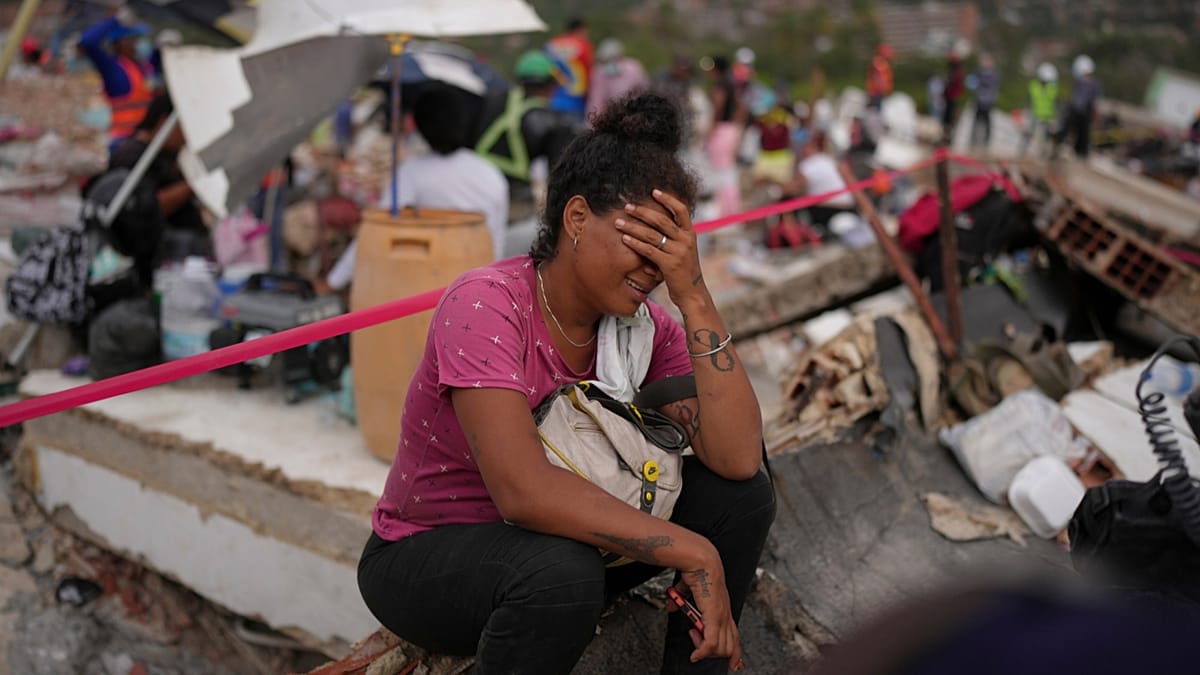
When disaster strikes, buildings become more than structures—they become lifelines. The unfolding Venezuela earthquake aftermath, with thousands dead, injured, and displaced, is a stark reminder that architecture, interiors, and infrastructure design can directly shape survival, recovery, and dignity.
Following the 24 June earthquakes, officials say at least 2,295 people have died and more than 11,000 have been injured. With survivors crowded into shelters and many communities lacking clean water, sanitation, and medical access, the crisis has expanded beyond seismic destruction into a public health emergency. For professionals and readers in luxury architecture, luxury design, and luxury interiors, this tragedy raises a difficult but essential question: what does truly future-ready design look like in a world facing escalating risk?
What the Venezuela Earthquake Aftermath Reveals About Built Environments
The Venezuela earthquake aftermath is not only a humanitarian crisis—it is also a case study in how vulnerable built environments can intensify suffering after a natural disaster. Damaged transport links, overwhelmed hospitals, debris-filled neighborhoods, and overcrowded emergency shelters all point to systemic weaknesses in planning and construction.
Medical workers and aid agencies have warned that infections, unsafe sanitation, heat, and vector-borne disease may claim more lives in the coming days and weeks. These post-disaster conditions often worsen when cities lack:
- Seismic-resistant buildings and retrofitted public facilities
- Reliable water, drainage, and waste systems
- Hospitals designed for surge capacity
- Emergency shelter spaces with ventilation and privacy
- Redundant transport and logistics infrastructure
In the Venezuela earthquake aftermath, chronic underinvestment and shortages in healthcare have added pressure to an already fragile system. That reality underscores a broader lesson for the design world: resilience is not a luxury add-on. It is foundational.
Why Resilient Luxury Architecture Matters More Than Ever
Luxury architecture is often associated with exclusivity, craftsmanship, and visual distinction. But at its best, it also leads innovation. In a time of climate volatility, seismic risk, and urban stress, high-end residential and hospitality design has an opportunity to set new standards for durability and preparedness.
Beyond aesthetics: performance as prestige
Today, sophisticated clients increasingly value homes and properties that combine elegance with advanced safety features. That can include:
- Base isolation and seismic dampening systems
- High-performance structural materials
- Backup power and water storage integration
- Fire-resistant and impact-resistant envelopes
- Smart monitoring systems for structural health
The Venezuela earthquake aftermath demonstrates that structural beauty alone is not enough. Design value must include the ability to protect life, maintain function, and support recovery under extreme conditions.
Designing estates, towers, and retreats for continuity
In luxury real estate, resilience can be embedded discreetly. A coastal villa can incorporate reinforced cores, concealed solar-plus-battery systems, and independent water filtration. A high-rise residence can feature refuge zones, emergency ventilation, and protected service circulation. A boutique resort can be master-planned with evacuation logic, modular medical rooms, and durable landscape strategies that reduce debris and flood risk.
These features do not compromise design integrity. In many cases, they enhance long-term asset value and occupant confidence.
Luxury Interiors and the Human Experience of Shelter
One of the clearest lessons from the Venezuela earthquake aftermath is that interior environments matter deeply during emergencies. Thousands of displaced people are reportedly living in crowded shelters or outdoors without adequate sanitary conditions. While emergency settings differ vastly from luxury spaces, the fundamentals of humane interiors remain universal: comfort, airflow, cleanliness, privacy, and safety.
Interior design lessons that scale across sectors
Luxury interiors often pioneer solutions later adopted more widely. Several principles are especially relevant in disaster-conscious design:
- Flexible layouts: Rooms that can adapt to caregiving, rest, or temporary medical use
- Antimicrobial and easy-clean materials: Surfaces that support hygiene during high-stress occupancy
- Natural ventilation: Cross-breezes and passive cooling in hot climates
- Layered lighting: Backup illumination for outages and nighttime safety
- Storage planning: Space for emergency supplies, water, and first-aid essentials
In premium residences, these details can be integrated elegantly through concealed millwork, refined material palettes, and discreet technology. The design goal is not fear-driven living, but calm preparedness.
Infrastructure, Healthcare Design, and Recovery Planning
The Venezuela earthquake aftermath also highlights the critical relationship between architecture and public health. Doctors have warned that infections may increase as patients remain exposed to debris, heat, and unsanitary conditions. Aid officials have also raised concerns around waste management, damaged infrastructure, and disease outbreaks.
This is where design thinking expands beyond private buildings to district-scale resilience. Key priorities include:
- Hospitals and clinics engineered to remain operational after seismic events
- Airports, ports, and roads planned for emergency logistics
- Temporary housing systems with sanitation and water access
- Urban debris management plans built into recovery frameworks
- Public buildings that can convert into organized shelter hubs
Reports indicate that the United States has deployed military personnel to support rescue and relief operations and help restore access for humanitarian aid. International teams have also joined search-and-rescue efforts. Yet even with outside assistance, the scale of damage shows how costly it is when resilience is not embedded before a disaster.
A New Design Standard Emerging From Crisis
The most important takeaway from the Venezuela earthquake aftermath is that design excellence must now include crisis readiness. For architects, interior designers, developers, and luxury property owners, the future belongs to spaces that are not only beautiful, but adaptive, durable, and health-conscious.
That means rethinking prestige through a broader lens—one that values engineering, material intelligence, self-sufficiency, and occupant wellbeing as highly as form and finish. Whether designing a penthouse, a private retreat, or a landmark mixed-use development, resilience should be treated as part of the brief from day one.
In the end, the Venezuela earthquake aftermath is a sobering reminder that the built environment can either deepen vulnerability or help save lives. The clearest path forward is simple: build beautifully, but also build to endure.