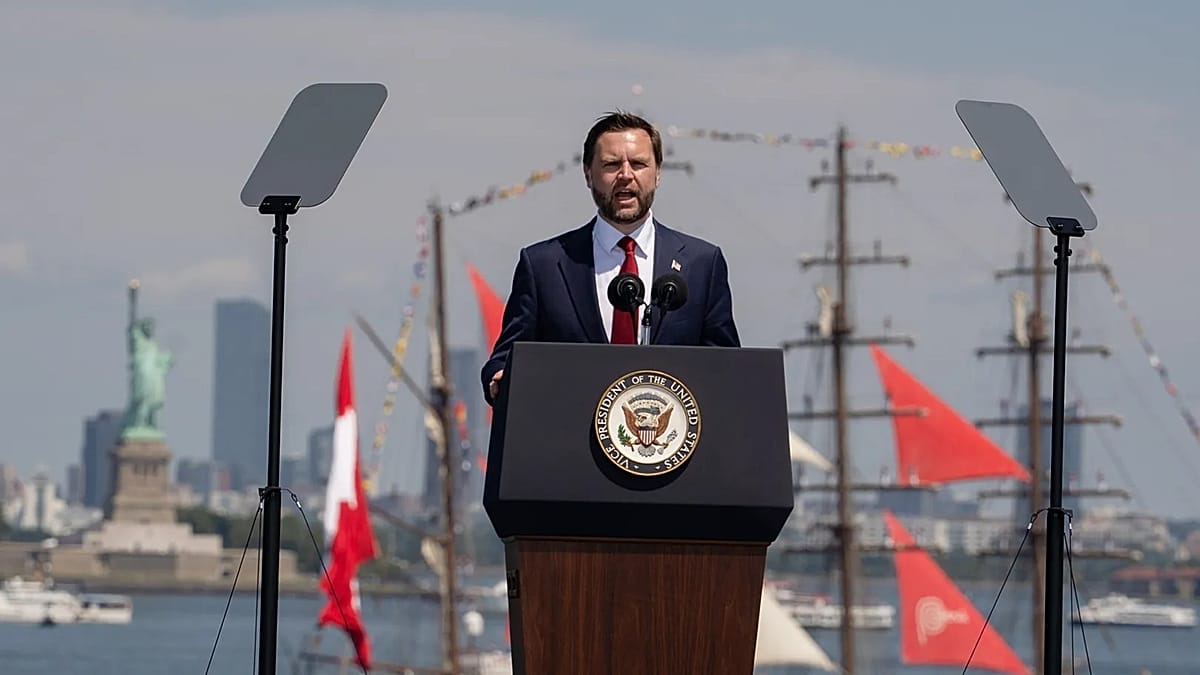
When a senior US politician describes Britain as a “beautiful country” that has been let down by leadership, the remark lands far beyond Westminster. The phrase beautiful Britain speaks to something deeper: a national identity rooted in extraordinary architecture, layered interiors, and a design heritage that remains globally influential even amid political instability.
Recent comments from US Vice President JD Vance about Britain’s political dysfunction have sparked debate about leadership, policy, and the country’s future direction. But for readers focused on luxury architecture, luxury design, and luxury interiors, the conversation opens another question: how does political uncertainty shape the built environment of beautiful Britain, from stately townhouses and country estates to ambitious urban regeneration projects?
Beautiful Britain and the Power of Design Identity
The idea of beautiful Britain is inseparable from its architecture. Britain’s visual identity has long been defined by a mix of heritage and reinvention, where Georgian symmetry, Victorian craftsmanship, Edwardian grandeur, and contemporary minimalism coexist in a remarkably dense design landscape.
That design richness is visible across the country:
- Historic manor houses restored with museum-grade attention to detail
- London residences blending period bones with ultra-modern interiors
- Boutique hotels that transform listed buildings into immersive luxury spaces
- Adaptive reuse projects turning industrial landmarks into high-end residences
- Coastal and countryside retreats that celebrate local materials and quiet elegance
In this context, beautiful Britain is not just a patriotic phrase. It is a built reality shaped by centuries of design evolution, planning decisions, and cultural investment.
What Political Instability Means for Luxury Architecture
Vance’s criticism centered on British politics, leadership churn, and the public demand for structural change following Prime Minister Keir Starmer’s resignation. While political rhetoric often feels distant from design, the luxury property and architecture sectors are highly sensitive to government direction.
Frequent leadership changes can affect:
- Planning policy: Delays or reversals can stall high-end residential and mixed-use developments
- Energy strategy: Sustainability rules and retrofit incentives shape luxury construction standards
- Foreign investment confidence: Political volatility may influence demand at the top end of the property market
- Heritage funding: Conservation projects often depend on stable public-private frameworks
- Regional regeneration: Infrastructure commitments can transform overlooked luxury destinations
For developers, architects, and interior designers, leadership matters because long-term projects require predictable conditions. In beautiful Britain, where premium design often intersects with listed buildings, local authorities, and environmental regulations, uncertainty can quickly ripple through the market.
The Enduring Allure of Beautiful Britain in Luxury Interiors
Even when politics feels fractured, British interiors continue to command admiration for their depth, restraint, and craftsmanship. The appeal of beautiful Britain inside the home lies in its ability to layer history with comfort rather than erase the past in pursuit of trend-driven novelty.
Signature traits of the British luxury interior
- Rich natural materials such as oak, walnut, limestone, and brass
- Tailored upholstery and bespoke joinery
- Heritage color palettes mixed with contemporary lighting
- Collected rooms that feel evolved rather than staged
- Artisanal details, from hand-finished plaster to custom cabinetry
This is why British luxury interiors remain so influential globally. They convey permanence, individuality, and intellectual taste, qualities that become even more valuable in uncertain times.
Leadership, Regeneration, and the Future of Beautiful Britain
JD Vance said Britain appears politically broken and in need of significant structural change, while also expressing hope that new leadership could get the country “back on track.” If that change materializes, the effects could extend into architecture and design in meaningful ways.
A more coherent national strategy could strengthen beautiful Britain through:
- Smarter urban renewal that preserves character while encouraging high-quality new construction
- Better housing policy that supports design excellence, not just volume
- Investment in craft and skills to sustain Britain’s specialist makers and restorers
- Clear sustainability standards for luxury retrofits and energy-efficient estates
- Regional growth that elevates design destinations beyond London
These issues matter because luxury is increasingly tied to authenticity, longevity, and a strong sense of place. In beautiful Britain, design value is often created by context: a historic neighborhood, a carefully restored façade, or an interior that speaks to local tradition.
Why Britain’s Design Heritage Still Outshines the Political Noise
The current headlines are dominated by clashes over immigration, energy, and Britain’s political direction, alongside wider tensions between the US and Europe. Yet those news cycles are unlikely to diminish the underlying appeal of British design culture.
In fact, periods of national reflection often renew appreciation for the spaces that define a country’s identity. Across beautiful Britain, architecture remains one of the clearest expressions of continuity. A Regency terrace, a converted warehouse penthouse, or a carefully composed Cotswolds interior can communicate stability even when public life feels unsettled.
That is especially relevant for luxury audiences. Buyers and design-conscious investors are not only acquiring square footage; they are investing in story, provenance, and emotional connection. Britain still offers all three at an exceptional level.
Conclusion: Beautiful Britain Needs Vision as Much as Beauty
JD Vance’s remarks may have been aimed at British leadership, but they also inadvertently highlighted a truth designers have long understood: beautiful Britain remains one of the world’s richest visual and architectural landscapes. Its country houses, city residences, and layered interiors continue to symbolize refinement, resilience, and cultural depth.
The real challenge is ensuring that political leadership matches the quality of the nation’s built environment. If Britain can pair design heritage with stable, forward-looking policy, beautiful Britain will not only preserve its legacy but redefine modern luxury for the next generation.