

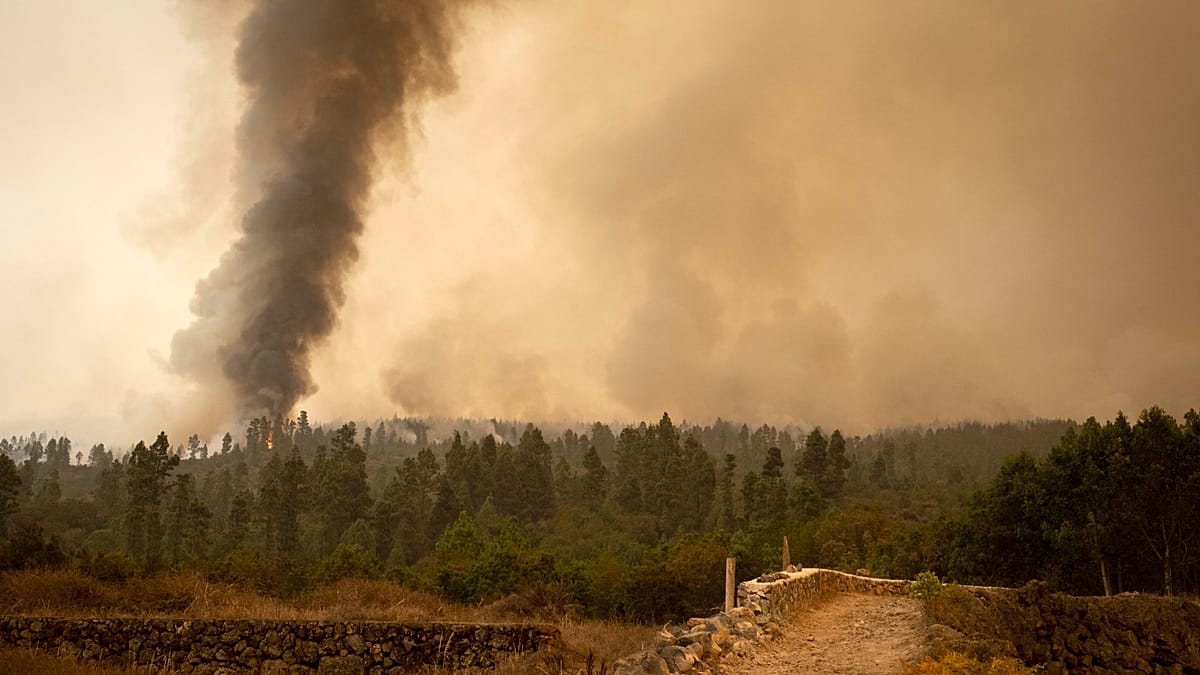
Spain’s escalating wildfire season is no longer just an environmental headline—it is a design and development warning for the luxury property world. As wildfire-resilient luxury design becomes a critical priority, architects, interior designers, and homeowners in premium markets must rethink how beautiful homes can also withstand a hotter, more volatile landscape.
New 2026 fire data from Spain shows the scale of the threat. Satellite-based estimates from the European Forest Fire Information System place burned land near 50,000 hectares, while Spain’s Ministry for Ecological Transition reported roughly 39,700 hectares by late June based on regional submissions. The gap reflects different methodologies, but both figures point in the same direction: fire risk is rising, and luxury architecture can no longer treat resilience as an optional add-on.
Why wildfire-resilient luxury design matters now
June was the most destructive month in Spain so far this year, with nearly 15,900 hectares burned. Cantabria has emerged as the hardest-hit area, with around 15,500 hectares affected—an unexpected hotspot compared with provinces that have historically carried the highest fire burden. Spain has also recorded 14 major forest fires in 2026, each exceeding 500 hectares.
For the luxury sector, these numbers matter because premium homes are often located in exactly the landscapes buyers prize most:
- Forest-edge estates with privacy and views
- Hillside villas exposed to wind-driven fire spread
- Coastal retreats surrounded by dry vegetation
- Rural compounds built with timber-rich architectural palettes
In other words, the same natural settings that define exclusivity can also amplify vulnerability. That is why wildfire-resilient luxury design is moving to the center of conversations around planning, materials, landscaping, insurance, and long-term asset value.
How Spain’s wildfire data is influencing luxury architecture
When fire seasons intensify, architecture changes. The lesson from Spain’s 2026 wildfire trend is not that luxury projects should retreat from nature, but that they should engage with it more intelligently.
Smarter site planning
Site selection now demands more than panoramic views and privacy analysis. High-end residential planning increasingly includes:
- Topographic fire-risk assessment
- Prevailing wind analysis
- Access routes for emergency services
- Buffer zones between structures and vegetation
- Water storage and suppression infrastructure
Properties in elevated or heavily vegetated zones may require wider defensible space and more robust perimeter strategies. In luxury architecture, that can be integrated elegantly through terraced stone gardens, sculptural retaining walls, and low-fuel planting design.
Exterior materials that balance beauty and performance
Traditional luxury finishes are being reassessed through a fire-resilience lens. Timber cladding, untreated decking, and highly combustible roof assemblies may still appear in selective applications, but they now compete with better-performing alternatives such as:
- Natural stone facades
- Lime or mineral renders
- Metal roofing systems
- Fire-rated glazing
- Ceramic, concrete, or composite exterior surfaces
The appeal of wildfire-resilient luxury design lies in proving that resilience does not require a compromise in aesthetics. In fact, many non-combustible materials align beautifully with contemporary Mediterranean and minimalist luxury design language.
Luxury interiors in a fire-conscious era
Wildfire planning is not limited to the shell of a home. Luxury interiors are also adapting to support safety, durability, and rapid post-event recovery.
Designing for smoke, heat, and continuity
Even when flames do not directly impact a property, smoke infiltration, ash, and heat stress can cause serious interior damage. Designers are increasingly specifying:
- Advanced air filtration and purification systems
- Sealed window and door assemblies
- Low-porosity luxury surfaces that are easier to clean
- Dedicated safe rooms or protected core spaces
- Backup energy systems for ventilation and communications
In premium residences, resilience is often expressed through invisible infrastructure. The best projects maintain a calm, refined visual identity while embedding sophisticated life-safety and environmental systems behind the scenes.
Material choices for high-end interiors
Fire-conscious luxury interiors increasingly favor materials with lower flammability and stronger long-term performance. That can include stone flooring, plaster walls, wool textiles, treated wood elements, and bespoke metal detailing. The result is a palette that feels tactile and elevated while also supporting wildfire-resilient luxury design.
Landscape design is now part of the architecture
One of the clearest lessons from Spain’s 2026 fire season is that fire behavior does not respect property lines. Landscape design, especially in luxury estates, must now function as both an aesthetic frame and a risk-management tool.
Effective fire-conscious landscape strategies include:
- Creating defensible space around the home
- Reducing dense, highly flammable vegetation near structures
- Using gravel, stone, and irrigated planting zones strategically
- Separating tree canopies to limit fire spread
- Positioning outdoor furnishings and kitchens with material safety in mind
For luxury properties, these strategies can be transformed into beautifully composed outdoor rooms. Reflecting pools, olive groves with controlled spacing, stone courtyards, and moisture-retentive planting schemes can all support wildfire-resilient luxury design without diminishing visual impact.
Europe’s wider fire pressure and what it means for luxury property
Spain is not an isolated case. Across the European Union, more than 130,000 hectares have already burned this year, above the seasonal norm. Countries including France, Portugal, Estonia, and Slovakia are also under pressure. For developers, private clients, and hospitality brands operating in elite destinations, this broadens the conversation from local risk to continental strategy.
The implications are significant:
- Insurers may demand stricter design and maintenance standards
- Planning authorities may tighten approvals in fire-prone zones
- Buyers may increasingly value resilience as a luxury feature
- Architects may need multidisciplinary fire consultants earlier in the process
In this context, wildfire-resilient luxury design is becoming a marker of future-ready prestige. A truly exceptional home is no longer defined only by craftsmanship and setting, but by its ability to endure environmental stress with intelligence and grace.
What homeowners, architects, and designers should do next
Spain’s fire season is still unfolding, with July and August traditionally the most dangerous months. That makes this the right moment for the luxury design sector to act rather than react.
Priority steps include:
- Commission a wildfire risk assessment for existing and planned properties
- Review exterior materials, vents, glazing, and roofing systems
- Upgrade landscape plans for defensible space and irrigation resilience
- Incorporate smoke protection and air-quality systems indoors
- Work with architects and fire specialists from the earliest design stage
The central takeaway is clear: wildfire-resilient luxury design is no longer a niche concern for remote estates. It is rapidly becoming a defining principle of high-end architecture, luxury interiors, and premium landscape planning in Southern Europe and beyond. In a world of intensifying fire seasons, the most desirable homes will be the ones that pair elegance with resilience.