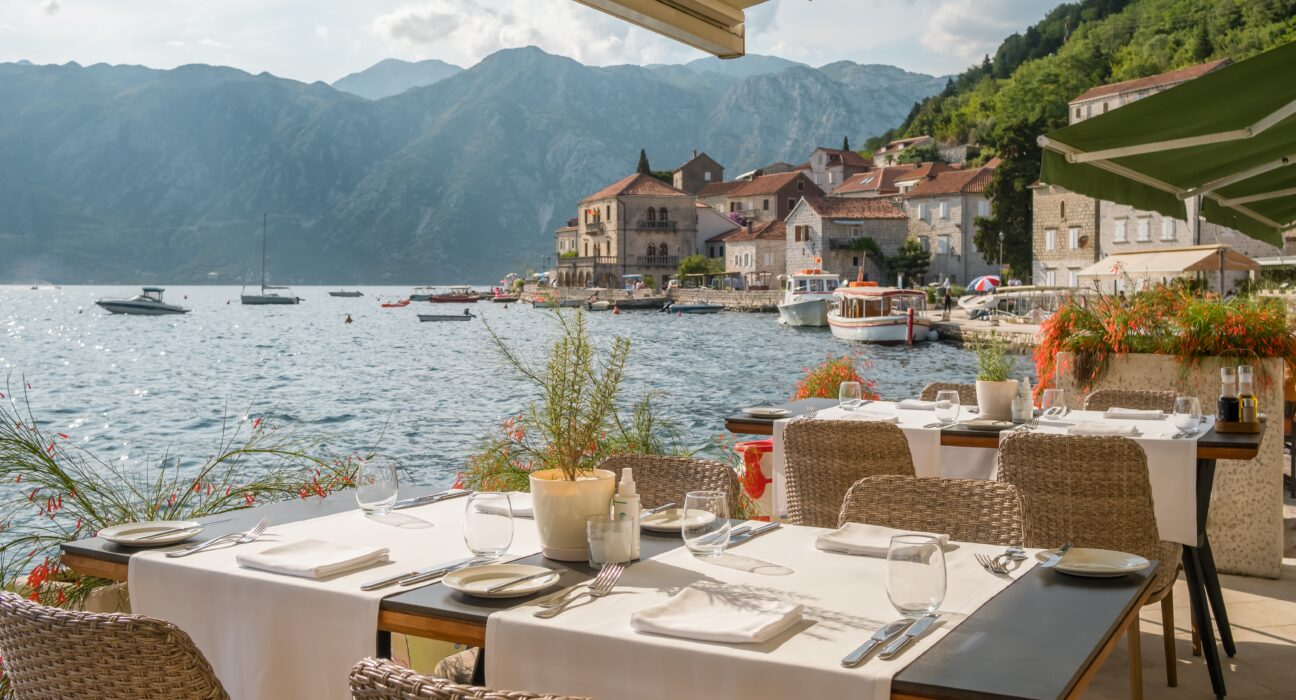
The fastest way to understand a destination is through its table. For travellers planning europe travel with a luxury lens, the most memorable meals are rarely just about fine dining—they are about place, provenance, and the stories behind every ingredient.
This guide explores the best local dining experiences across Europe for travellers who want more than a reservation at a famous restaurant. From agritourism stays in the Netherlands to slow food in Slovenia and seafood-led escapes in Malta, these destinations prove that luxury travel can also be rooted in authenticity, sustainability and regional character. If you are using europe travel guides to shape a food-focused itinerary, start here.
Why local dining matters in europe travel
Food is one of the most practical ways to travel better. Choosing locally sourced, traditionally prepared or thoughtfully reinvented regional dishes gives visitors a stronger connection to local life than any standard sightseeing stop. In many parts of Europe, culinary traditions are tied to farming landscapes, coastal communities, mountain villages and protected food heritage.
For luxury travellers, that means access to experiences such as:
- Farm-to-table tasting menus built around seasonal produce
- Slow food experiences in rural guesthouses and boutique retreats
- Wine, olive oil, cheese or seafood tastings led by local producers
- Agritourism stays with beautifully restored accommodation
- Regional dishes linked to EU Geographical Indication protections
A good travel guide should not only tell you what to eat, but also why that dish matters and where to find the most meaningful version of it.
Best destinations for authentic culinary luxury
Slovenia: slow food with alpine polish
Slovenia is one of the smartest choices for travellers who want refined but grounded dining. Its food scene blends Alpine, Mediterranean and Central European influences, and many of its standout experiences happen outside the capital. Boutique countryside stays, organic farms and chef-led tasting menus make it especially appealing for couples seeking quiet luxury.
Why visit?
- Strong slow food philosophy
- High-quality local produce and wines
- Excellent rural hospitality with design-forward accommodation
Worth knowing: Slovenia is compact, so you can combine Ljubljana with vineyard regions or mountain escapes without long transfer times.
Cyprus: traditional flavours with a warm-climate edge
Cyprus delivers a mix of village cooking, seafood, grilled meats, cheeses and sun-ripened produce that feels generous and memorable. Luxury travellers can pair beach resorts or boutique inland stays with tavernas serving time-honoured recipes.
Look for multi-dish local feasts, family-run wineries and seasonal ingredients rather than only hotel dining rooms. For europe travel centred on food and sunshine, Cyprus offers strong value compared with more expensive Mediterranean hotspots.
Croatia: regional dining from coast to inland
Croatia is not one single food destination—it is several. The Adriatic coast leans into seafood, olive oil and Italian-influenced dishes, while inland regions offer heartier meat-based cooking and traditional recipes shaped by Central European heritage.
Luxury highlights include:
- Fresh seafood restaurants on the Dalmatian coast
- Wine-paired dining in Istria
- Truffle-focused experiences in interior regions
- Heritage hotels with regional tasting menus
If you are comparing europe travel guides, Croatia stands out for combining coastal beauty with a serious regional food identity.
Portugal: simple ingredients, exceptional results
Portugal remains one of Europe’s most rewarding culinary destinations. What makes it special is not only the quality of seafood, pastries, wines and olive oil, but the consistency of good eating across cities, small towns and coastal villages.
For luxury travellers, the best experiences often include elegant but understated restaurants, wine estates in the Douro Valley and market-driven meals in Lisbon or Porto. Portugal is especially suitable for long weekends from Ireland and the UK thanks to extensive flight options.
Irish traveller tip: Direct flights from Dublin often make Lisbon, Porto and Faro among the easiest food-led European breaks. Portugal uses the euro, and Irish travellers do not need a visa for short stays.
Spain: culinary getaways built around region and ritual
Spain is ideal for travellers who plan trips around meals. From Basque tasting culture to Andalusian produce and Galician seafood, each region offers a different food identity. Luxury here can mean a Michelin-starred dinner, but it can also mean a perfectly executed lunch in a market, a vineyard stay or a long meal in a village known for one speciality.
Common mistake to avoid: trying to cover too many regions in one trip. Spain rewards slower, region-based itineraries.
Switzerland and the Czech Republic: heritage with refinement
Switzerland turns regional produce into polished culinary experiences, especially in lake, alpine and vineyard regions. Expect cheese, charcuterie, seasonal mountain ingredients and excellent hospitality. The Czech Republic, meanwhile, is increasingly attractive for travellers seeking both family-run traditions and high-end gastronomy.
Both destinations suit travellers who want heritage cuisine interpreted with sophistication.
How to plan a luxury food-focused travel guide to Europe
The best food trips are built around timing, geography and reservations. Use this travel guide approach when planning:
- Choose one region, not an entire country: Culinary traditions are often hyper-local.
- Travel in shoulder season: Spring and early autumn offer strong produce and fewer crowds.
- Book signature meals early: Particularly for farm stays, chef’s tables and harvest experiences.
- Mix cities and countryside: Pair museums and markets with vineyards, farms or coastal villages.
- Ask about origin: The best places are transparent about producers, seasonality and cooking methods.
Budget and practical advice
Luxury dining in Europe varies widely. A food-focused trip in Portugal, Croatia or Cyprus can feel indulgent without Swiss-level prices, while Switzerland and certain Spanish or Dutch experiences may require a larger budget.
Typical planning points:
- Fine dining: Budget more in Switzerland and top Spanish cities; better value often appears in Portugal, Slovenia and inland Croatia.
- Agritourism: These stays can offer excellent value when meals are included.
- Transport: Many top culinary experiences are outside major cities, so consider car hire or private transfers.
- Insurance: Irish and UK travellers should still carry comprehensive travel insurance even for short European breaks.
- Health cover: Irish travellers should bring an EHIC; UK travellers should carry a GHIC where applicable.
Driving note: If you rent a car on continental Europe trips, check local road rules, toll systems and parking restrictions in advance.
What mistakes should travellers avoid?
- Booking only famous restaurants and missing local specialists
- Assuming luxury means formal dining every night
- Skipping lunch markets, food halls and producer visits
- Overpacking the itinerary and leaving no room for long meals
- Ignoring regional seasonality
The most successful europe travel itineraries balance high-end dining with everyday local food culture.
Frequently asked questions
Is Europe worth visiting for food-focused luxury travel?
Yes. Europe offers exceptional variety, deep culinary heritage and a wide range of luxury experiences, from vineyard estates to chef-led rural retreats.
Can I plan a food trip without a car?
Yes, especially in Portugal, Spain and parts of Switzerland, but some of the best agritourism and slow food stays in Slovenia, Croatia or the Netherlands are easier with a car or arranged transfer.
What is the best time for culinary travel in Europe?
Late spring and early autumn are often ideal. You get seasonal produce, comfortable temperatures and fewer crowds than peak summer.
Conclusion
The best meals in Europe are not only eaten—they are understood. Whether you are tasting slow food in Slovenia, enjoying seafood in Malta, exploring Portuguese markets or booking an agritourism stay in the Netherlands, thoughtful europe travel is about choosing experiences rooted in local life. Use this guide as a starting point, then build an itinerary that leaves room for producers, regional traditions and the kind of meal you remember long after the trip ends.
Explore More: For more destination ideas, readers planning their next culinary escape may also enjoy luxury and seasonal travel inspiration across the DailyDigest network.