

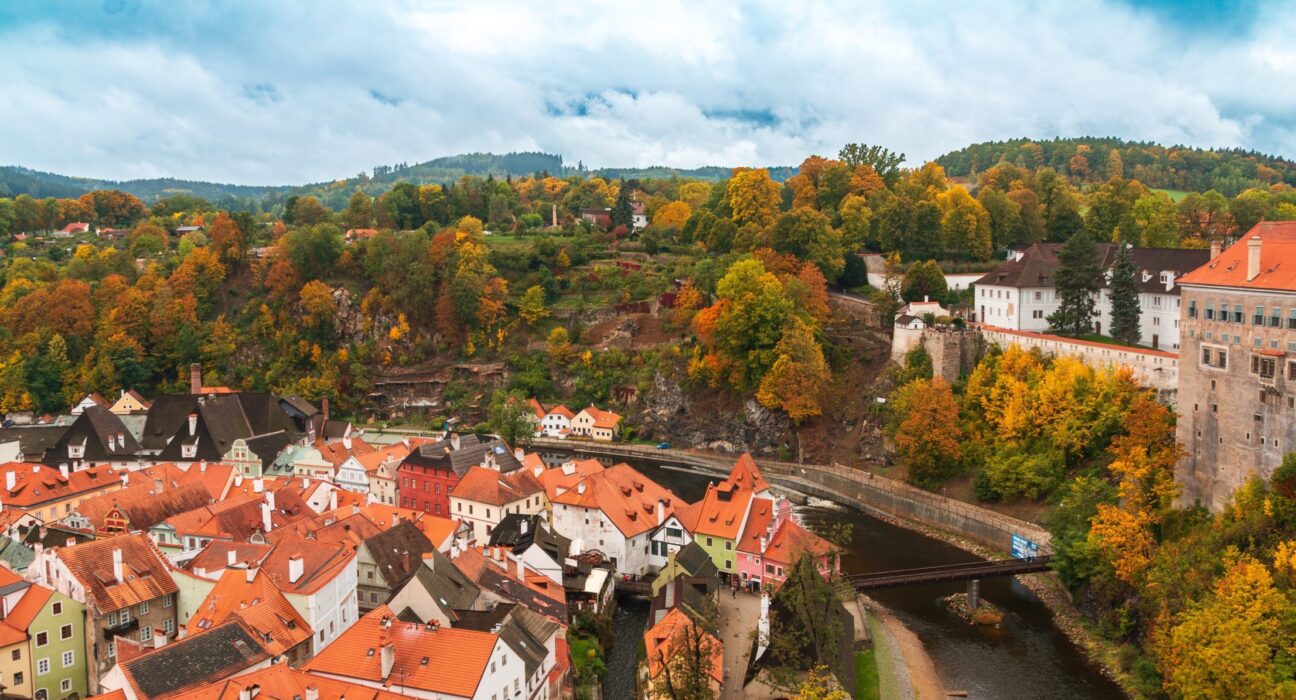
There is a different side to europe travel that many travellers miss completely. Step beyond the summer rush and Europe’s historic towns, battlefields, castles and UNESCO-listed cities become calmer, more atmospheric and, in many cases, far more rewarding to explore.
For travellers planning a luxury-style cultural break, the low season, especially autumn, is one of the smartest times to go. You get easier access to major landmarks, more thoughtful museum visits, better-value accommodation in some destinations, and a stronger sense of place in cities and villages shaped by centuries of history. This travel guide highlights why Europe’s quieter months are ideal for heritage-led trips, where to focus your itinerary, and what Irish and UK travellers should know before booking.
Why Quiet-Season Europe Travel Is Worth It
The best heritage trips are rarely the ones spent queueing in the heat. Low-season europe travel gives visitors the chance to experience historic destinations at a slower pace, which suits museums, old quarters, sacred sites and memorial landscapes particularly well.
- Fewer crowds: You can explore major sites without the peak-season congestion common in July and August.
- Better atmosphere: Autumn light, harvest markets and cooler weather often make old towns feel more authentic and photogenic.
- More meaningful visits: Places tied to war remembrance, religious traditions or ancient heritage tend to feel more reflective outside the busy season.
- Improved service: Guides, hotel staff and local hosts often have more time for personalised recommendations.
For luxury travellers, this also means easier restaurant reservations, quieter boutique hotels and a stronger chance of securing premium rooms in sought-after heritage destinations.
Best Historical Destinations for Europe Travel
If you are building a heritage-focused itinerary, some destinations stand out for their mix of historical depth, accessibility and cultural value. The following picks reflect the kind of places that turn a standard city break into a richer europe travel guides experience.
Austria: Imperial Culture and Reinvented Historic Sites
Austria excels at presenting history in polished, visitor-friendly ways. Vienna offers grand palaces, concert halls and museum collections, while smaller cities and abbeys deliver a more intimate cultural atmosphere. It is ideal for travellers who want history with refined hotels, classical music and excellent rail links.
Poland: Powerful History Without the Crowds
Poland is one of the most rewarding countries for travellers interested in layered European history. Cities such as Kraków, Gdańsk and Wrocław combine medieval cores, wartime memory and vibrant modern culture. In quieter months, museums and memorial sites are easier to navigate respectfully and without peak-season pressure.
The Netherlands: Compact, Easy and UNESCO-Rich
The Netherlands is perfect for a shorter historical break. Beyond Amsterdam, travellers can explore fortified towns, maritime heritage and UNESCO World Heritage Sites within relatively short train journeys. It suits Irish and UK travellers looking for a manageable, high-quality cultural itinerary.
Malta: An Open-Air Museum in the Mediterranean
Malta offers extraordinary historical range for such a small destination: prehistoric temples, baroque cities, Knights of St John heritage and fortified harbours. Outside peak summer, it becomes far more comfortable for walking tours, making it one of the strongest options for off-season europe travel.
Belgium’s Flanders Fields: Reflective and Unforgettable
For travellers interested in remembrance tourism, the Flanders region in Belgium remains one of Europe’s most moving destinations. Memorials, cemeteries and museums connected to the First World War are best approached with time and quiet. Autumn visits are especially fitting, particularly around remembrance events.
Portugal, Spain and Croatia: History with Warm-Weather Appeal
Southern Europe can be particularly attractive in autumn because temperatures remain mild while crowds fall sharply. Historic fortresses in Portugal, lesser-known paths in Spain and old coastal towns in Croatia all become more enjoyable when the summer intensity has passed.
How to Plan a Smarter Europe Travel Guide for Autumn
A good travel guide should help you avoid common mistakes, and off-season planning requires a slightly different approach than summer travel.
What to Check Before You Book
- Opening days: Some smaller attractions reduce hours outside peak season.
- Festival and remembrance dates: Events can enrich a trip, but they may also affect hotel availability.
- Weather patterns: Autumn is generally mild, but rain and shorter daylight hours matter for rural routes and scenic walks.
- Transport frequency: Rail is usually reliable, but regional services may run less often in quieter areas.
Best Trip Styles for Historical Travel
- Long weekend city break: Ideal for Vienna, Valletta, Kraków or Amsterdam.
- Multi-stop rail itinerary: Good for Austria, Germany, the Netherlands and Switzerland.
- Slow regional journey: Best for Alentejo in Portugal, Flanders, Estonia or rural Slovakia.
Practical Advice for Irish and UK Travellers
For many readers, practical planning matters as much as inspiration. One reason europe travel remains so appealing is that short-haul access is relatively easy from Ireland and the UK.
- Flights: Direct routes from Dublin, Cork, Shannon, London, Manchester and Edinburgh serve many major European cities, especially Vienna, Amsterdam, Kraków, Malta and Lisbon.
- Travel times: Most flights to central Europe are around 2 to 3 hours from Ireland or Britain.
- Visa requirements: Irish and UK passport holders can generally take short tourist trips across most of Europe without a visa, though travellers should always check current government advice before departure.
- Currency: Not all destinations use the euro. Poland uses the złoty, for example, while Croatia, Austria, Malta and Portugal use the euro.
- Roaming and health cover: Irish travellers should check mobile roaming terms and carry a valid EHIC. UK travellers should carry a GHIC where applicable and ensure travel insurance includes medical cover and disruption protection.
Hidden Gems to Add to Your Europe Travel List
The most memorable historical trips often include one place that your friends have not already posted about. Among the standout options in current europe travel guides are Haapsalu in Estonia, Elvas in Portugal, Šoštanj in Slovenia, Gothic route towns in Slovakia, and ironwork villages in Finland. These places reward travellers who want atmosphere, architecture and storytelling rather than checklist tourism.
They also work well for luxury travel readers seeking distinctive boutique stays, quieter dining scenes and a more exclusive sense of discovery.
Common Mistakes to Avoid
- Trying to cover too many countries in one week
- Assuming all attractions stay open late in low season
- Overlooking remembrance dates or local public holidays
- Skipping advance hotel bookings in smaller heritage towns
- Packing for summer rather than layered autumn weather
Frequently Asked Questions
Is autumn a good time for europe travel?
Yes. Autumn is one of the best times for cultural and historical trips thanks to lighter crowds, milder temperatures and a calmer atmosphere at major sites.
How many days do I need?
For a city-based history break, 3 to 4 days is usually enough. For a deeper regional itinerary, aim for 7 to 10 days.
Is it expensive?
Costs vary widely, but low season can offer better value on flights and hotels than peak summer, especially for luxury travellers targeting premium stays.
Can I do this trip without a car?
Yes, in many destinations. Austria, the Netherlands, Belgium, Germany and Switzerland are especially strong for rail-based travel.
Conclusion
If you want a more thoughtful, stylish and memorable way to experience the continent, europe travel in the quiet season is hard to beat. From Malta’s ancient cities to Poland’s reflective heritage sites and Belgium’s peace memorials, Europe’s historical gems reveal more when the crowds fade. Use this travel guide as a starting point, focus on fewer places, and you will come away with a richer understanding of what makes Europe unique.
Explore More: For related inspiration, readers interested in seasonal escapes and cultural itineraries may also enjoy destination features and travel planning content across the DailyDigest network.