Ireland Travel plans can shift in an instant, and this week’s Aer Lingus diversion is a sharp reminder of how quickly aviation security incidents can ripple across Europe. An Aer Lingus flight from Dublin to Rome was forced to divert to Normandy after a hoax bomb threat, joining several Ryanair and other European flights caught up in a wider security scare.
For travelers watching from Ireland and beyond, the incident highlights two parallel realities: commercial aviation security systems are designed to respond aggressively to threats, and even false alarms can cause major disruption to routes, schedules, and passenger confidence. Here’s what happened, why it matters, and what it means for future Ireland Travel across Europe.
Aer Lingus diversion puts Ireland Travel in the spotlight
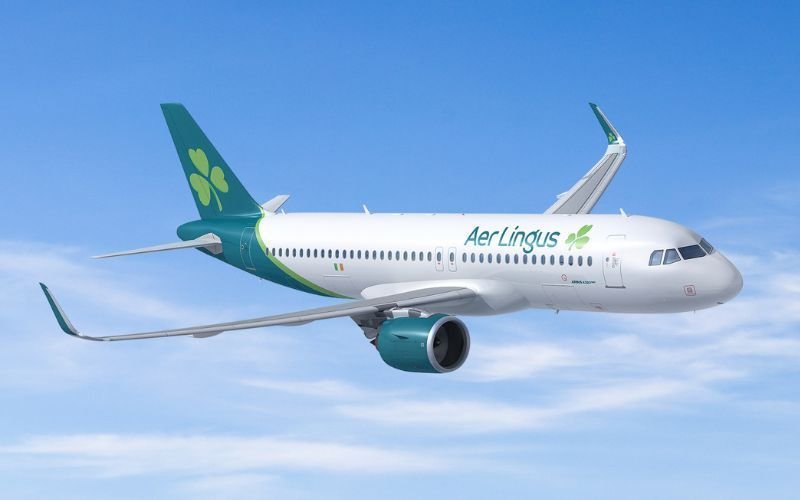
Aer Lingus flight EI402 departed Dublin Airport early Thursday morning bound for Rome Fiumicino. Instead of landing in Italy, the aircraft diverted to Évreux-Fauville Air Base in Normandy, France, after authorities were alerted to a bomb threat connected to the flight.
According to official statements, the aircraft landed safely and passengers were cared for upon arrival while standard bomb disposal and security procedures were carried out. Aer Lingus said it would work to reaccommodate customers to their final destination as quickly as possible.
For the Ireland Travel sector, incidents like this quickly become major operational events. Even when a threat proves to be a hoax, airlines, airports, military authorities, and law enforcement must treat it as credible until proven otherwise.
Key details from the incident
- Aer Lingus flight EI402 was traveling from Dublin to Rome.
- The aircraft diverted to Normandy as a precaution.
- French authorities said the diversion followed a reported bomb threat.
- The flight was carrying 151 passengers and six crew members.
- All passengers reportedly disembarked safely and were assisted after landing.
Why multiple European flights were affected
The Aer Lingus incident was not isolated. Several Ryanair flights were also targeted on the same day, with flights involving Bulgaria and Italy among those requiring checks, diversions, or military escort. Other airlines reportedly affected included Finnair, Wizz Air, LOT Polish Airlines, and Aegean Airlines.
That wider pattern matters for Ireland Travel because it points to a coordinated hoax campaign rather than a single flight-specific issue. Reports indicate threatening emails were sent to airport and aviation-related recipients, claiming explosive devices had been placed on selected aircraft.
Authorities in Italy and Bulgaria responded rapidly, and fighter jets were deployed in some cases to escort flights safely to the ground. These responses may sound dramatic, but they are standard in high-risk aviation security situations where time is limited and uncertainty is high.
What the threat messages reportedly claimed
Media reports say the emails referenced specific flights and used extremist language. Investigators are examining whether the messages are linked to a radical online movement previously mentioned in similar threats earlier in the week.
At this stage, officials across Europe have emphasized that investigations are still ongoing. That caution is important. In aviation security, early reports often evolve as authorities verify timelines, digital evidence, and chain-of-command decisions.
What this means for Ireland Travel passengers heading to Europe
For anyone booking city breaks, business trips, or luxury itineraries from Dublin, the immediate takeaway is not panic but preparedness. Ireland Travel remains well connected to Europe, but events like this show how quickly flights can be delayed, diverted, or re-routed due to security protocols outside an airline’s control.
Luxury travelers, in particular, often rely on tightly timed connections, premium hotel check-ins, chauffeured transfers, and fixed dining or event reservations. A diversion of even a few hours can affect an entire itinerary.
How airlines typically respond after a diversion
- Passengers are disembarked and screened according to local security procedures.
- Aircraft may be searched by specialist teams.
- Airlines begin reaccommodation on later flights or alternate routes.
- Customer service teams coordinate baggage, meals, and overnight support if needed.
- Authorities determine when the aircraft can return to service.
For Ireland Travel consumers, travel insurance with disruption coverage and flexible booking terms are increasingly essential, especially for high-value trips.
Security response shows how European aviation protects travelers
While the headlines are unsettling, there is another side to this story: the system worked as designed. Airlines reported the issue, state authorities acted, aircraft were escorted where necessary, and passengers were safely handled on the ground.
EU officials also confirmed that information-sharing mechanisms related to aviation security had been activated. That kind of coordination is critical when threats cross borders and involve multiple airports, airlines, and national agencies.
For frequent flyers and those planning premium escapes, this should reinforce confidence in the safeguards surrounding modern Ireland Travel. Security responses can be disruptive, but they are intended to prevent worst-case outcomes.
Practical advice for travelers right now
- Monitor airline apps for real-time notifications before leaving for the airport.
- Allow extra time for check-in and security on European routes.
- Keep essentials, chargers, medication, and one change of clothes in hand luggage.
- Book refundable transfers or hotels where possible.
- Consider comprehensive travel insurance for Europe travel disruptions.
The bigger picture for Ireland Travel and luxury travel planning
The Aer Lingus diversion comes at a time when demand for European getaways remains strong, especially from Irish travelers seeking short-haul luxury experiences in Rome, Milan, Sofia, and other major cities. But with that demand comes greater sensitivity to operational disruptions, whether caused by weather, strikes, air traffic control issues, or security alerts.
For travel advisors, concierge planners, and independent travelers, the lesson is clear: build flexibility into every itinerary. That means realistic layovers, adaptable reservation policies, and backup transport or accommodation options where feasible.
In the days ahead, investigators will continue examining the source and coordination of these hoax threats. Until then, the strongest message for the market is that Ireland Travel remains open and active, but smart trip planning matters more than ever.
Ultimately, this incident is a reminder that Ireland Travel in today’s connected aviation network depends not just on convenience, but on resilient security systems and informed passengers. For travelers heading from Dublin to Europe, staying flexible, insured, and alert is now as important as choosing the right seat or hotel suite.