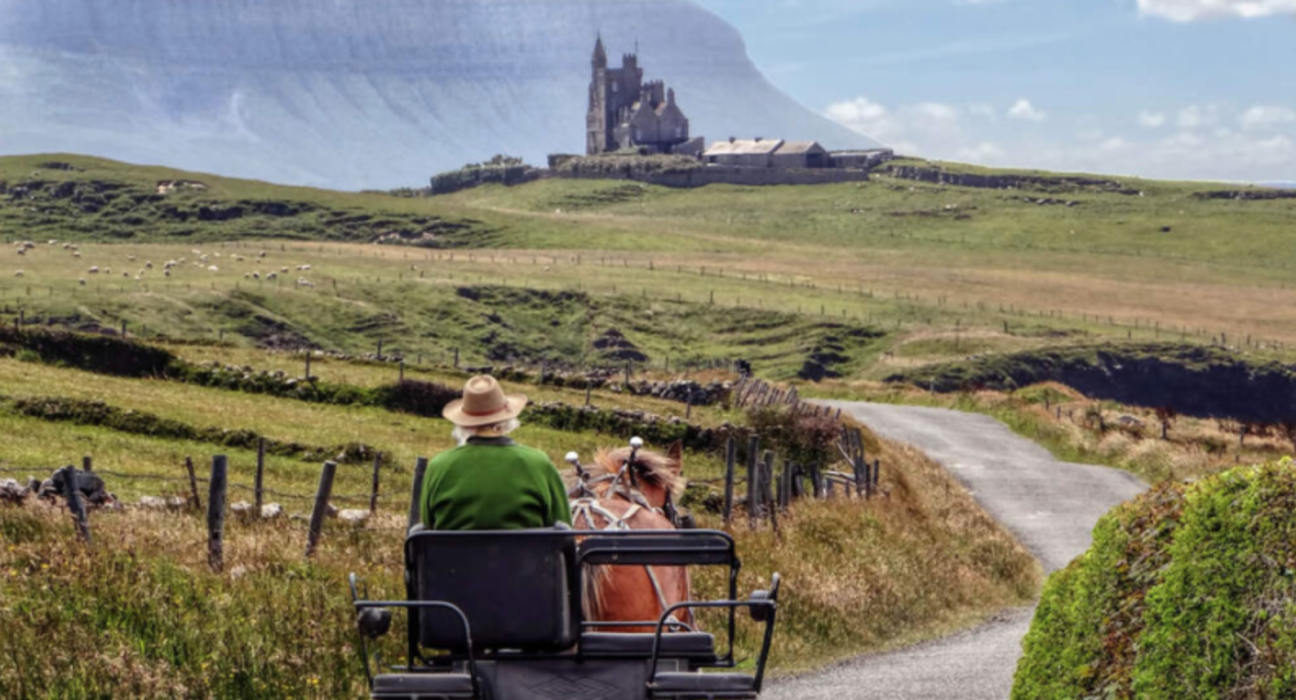
Ireland Travel is impossible to separate from castles. Drive almost anywhere across the island and you will eventually spot a ruined tower, a fortified manor, or a grand estate rising above green fields, lakes, and dramatic coastline.
That abundance is not an illusion: Ireland is said to have around 30,000 castles and castle sites, a remarkable figure that helps explain why the country feels so steeped in legend, power, and old-world romance. For travelers drawn to luxury stays, historic architecture, and unforgettable scenery, Ireland’s castles offer far more than postcard views. They tell the story of invasion, clan rivalries, survival, and reinvention.
Ireland Travel and the surprising number of castles
Few destinations compress history and beauty as effectively as Ireland. The island’s estimated 30,000 castles range from roofless medieval ruins to beautifully restored estates now operating as five-star retreats. In practical terms, that means an Ireland Travel itinerary can include:
- Clifftop ruins with cinematic Atlantic views
- Medieval strongholds with banquet halls and exhibitions
- Luxury castle hotels with fine dining and spa experiences
- Neo-Gothic mansions surrounded by landscaped grounds
The sheer number of surviving sites reflects centuries of conflict and settlement. Rather than being built mainly as decorative royal palaces, many Irish castles were defensive homes for Gaelic chieftains and Anglo-Norman families. Thick walls, towers, and ramparts were designed for protection first, prestige second.
The history behind Ireland’s castle landscape
One reason Ireland Travel feels so immersive is that the built environment still preserves so many layers of the past. Most Irish castles date from the medieval period, especially between the 11th and 15th centuries, when fortified structures spread across the island. Later centuries added new architectural styles, including Georgian elegance and the Victorian-era neo-Gothic revival.
Why so many castles were built
Castles in Ireland served several purposes at once:
- Defense: Families needed fortified bases in unstable times.
- Control: Castles helped lords and settlers assert authority over land and trade routes.
- Residence: They functioned as homes, often expanded and adapted over generations.
- Status: Over time, some evolved into symbols of power and refinement.
For modern visitors, that evolution is part of the appeal. A single castle may reveal traces of medieval warfare, aristocratic leisure, and contemporary hospitality.
Five iconic castles to add to an Ireland Travel itinerary
If you want to combine heritage with comfort, these famous properties and ruins are among the most rewarding stops in Ireland.
Bunratty Castle, County Clare
Bunratty Castle is one of the best-preserved medieval castles in Ireland and a standout for visitors who want history brought vividly to life. Dating to the 14th century and associated with the O’Brien clan, it remains famous for its medieval banquets, making it a memorable stop near Shannon Airport.
The adjoining folk park adds depth, recreating aspects of 19th-century Irish life. For travelers seeking context rather than just photographs, Bunratty offers one of the richest historical experiences in the country.
Blarney Castle, County Cork
No roundup of castles is complete without Blarney Castle. Built around 600 years ago, this legendary stronghold is known worldwide for the Blarney Stone, said to grant the gift of eloquence to those who kiss it.
Beyond the ritual itself, the site rewards visitors with gardens, ancient walls, and a strong sense of myth. For many people planning Ireland Travel, Blarney is a classic first-choice stop because it blends folklore, architecture, and national identity in one place.
Dunluce Castle, County Antrim
Set dramatically near the edge of the sea, Dunluce Castle is among the most photogenic ruins on the island. Much of what stands today dates to the 16th and 17th centuries, though settlement in the area stretches much further back.
The site’s windswept beauty, archaeological interest, and pop-culture fame from its association with Game of Thrones make it especially appealing for visitors seeking atmosphere. If your idea of luxury includes extraordinary landscapes and unforgettable views, Dunluce belongs high on the list.
Ashford Castle, County Mayo
Ashford Castle represents the grandest side of Ireland Travel. Although its origins go back to 1228, the property today is celebrated as one of the world’s great luxury castle hotels. Over the years it has welcomed royals, statesmen, and discerning guests looking for exceptional service in a historic setting.
On the shores of Lough Corrib, Ashford combines neo-Gothic drama with refined interiors, manicured grounds, and a deep sense of heritage. It is ideal for travelers who want to experience a castle not as a ruin, but as a living, elevated destination.
Dromoland Castle, County Clare
Dromoland Castle is another benchmark for luxury travel in Ireland. Once the ancestral home of the O’Brien family, its roots reach back to the 16th century, while the guest experience today is polished, elegant, and internationally renowned.
Set amid beautiful parkland, Dromoland is known for hosting high-profile guests, but its broader appeal lies in the feeling of stepping into a stately chapter of Irish history without sacrificing comfort.
How to plan a luxury castle experience in Ireland
An Ireland Travel itinerary focused on castles can be tailored to different styles of trip, from self-drive scenic routes to indulgent countryside escapes.
Best ways to experience Irish castles
- Mix ruins and hotel stays: Pair dramatic sightseeing stops with one or two nights in a castle hotel.
- Focus on a region: Counties Clare, Cork, Mayo, Sligo, and Antrim all offer strong castle experiences.
- Book signature activities: Medieval banquets, falconry, afternoon tea, and private grounds tours elevate the trip.
- Travel shoulder season: Spring and autumn can offer fewer crowds and a more atmospheric experience.
Luxury travelers should also remember that not every memorable castle comes with a concierge desk. Sometimes the greatest indulgence is time: time to walk the grounds, absorb the history, and take in the landscape that made these structures necessary in the first place.
Why castles define Ireland Travel
Castles are not just attractions in Ireland; they are part of the country’s visual identity and emotional pull. They stand in villages, on lake shores, near mountain backdrops, and above Atlantic cliffs, linking modern journeys to centuries of struggle and storytelling.
For anyone planning Ireland Travel, the headline number of 30,000 castles is more than trivia. It is a promise that history is never far away. Whether you choose the folklore of Blarney, the rugged beauty of Dunluce, or the five-star grandeur of Ashford and Dromoland, the real takeaway is simple: Ireland’s castles make luxury travel feel timeless.