

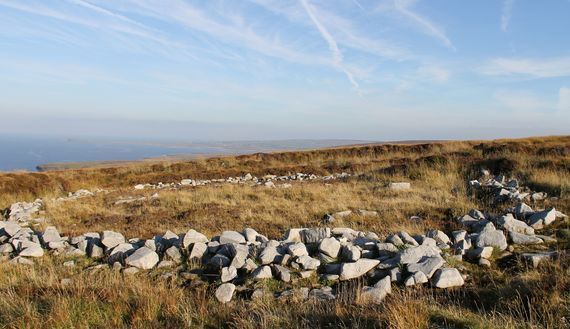
Ireland Travel is often defined by castles, coastal drives, and postcard villages, but one of the country’s most extraordinary experiences lies hidden beneath the bogs of County Mayo. The Céide Fields is not just a scenic stop on the Wild Atlantic Way—it is the world’s most extensive Stone Age monument, a place where archaeology, landscape, and understated luxury come together in unforgettable fashion.
For travelers seeking elevated, meaningful journeys, the Céide Fields offers a rare mix of intellectual depth and natural drama. Perched above soaring Atlantic cliffs near Ballycastle, this remarkable site rewards visitors with sweeping views, a striking visitor center, and a story that stretches back nearly 5,000 years.
Why Céide Fields Deserves a Place on Your Ireland Travel Itinerary
Many iconic prehistoric sites dominate global attention, yet the Céide Fields remains one of Ireland’s most compelling hidden gems. For anyone planning Ireland Travel with a taste for culture and exclusivity, that relative obscurity is part of the appeal.
Unlike crowded heritage attractions, Céide Fields feels spacious, contemplative, and deeply atmospheric. Beneath a thick blanket bog lies an immense Neolithic farming landscape: long stone walls, enclosed fields, and traces of domestic life created by an organized agrarian community around 3000 B.C.
What makes the site so significant is its scale. Archaeologists have mapped up to 10 square kilometers, with evidence suggesting the monument extends even farther. Several stone walls run for as much as two kilometers, revealing a society capable of large-scale planning, land clearance, and coordinated labor.
- It is the largest known Stone Age field system in the world
- The site has been preserved naturally beneath blanket bog
- Its cliffside setting adds spectacular coastal scenery to the historical experience
- It offers a quieter, more refined alternative to Ireland’s busier heritage sites
The Story Beneath the Bog
How the site was discovered
The modern story of Céide Fields begins in the 1930s, when local schoolteacher Patrick Caulfield encountered stone formations while cutting peat. He believed the dry-stone stacks were man-made and ancient. Decades later, his son Seamus Caulfield, who became an archaeologist, led the first major excavations in 1970 and transformed understanding of the site.
What archaeologists found
One of the most important discoveries was an oval enclosure believed to have been a dwelling. Postholes suggested roof supports, while an outdoor hearth and a likely animal pen pointed to settled domestic life. Pottery fragments and a primitive plow head offered further evidence of farming and animal husbandry, probably centered on cattle.
These finds helped establish the age of the settlement through comparison with other Neolithic sites in Western Europe and through radiocarbon dating. For enthusiasts of archaeology in Ireland, Céide Fields provides a vivid window into early farming communities and the sophistication of prehistoric life.
Why so much remains hidden
The same bog that preserved the site also conceals it. Traditional excavation is difficult because the monument sits under meters of compact peat. Instead, archaeologists have relied heavily on probing techniques—using iron rods to locate buried stone walls and map their direction. This method has gradually revealed the broader plan of the ancient landscape without extensive disturbance.
For luxury-minded travelers who value access to rare knowledge and authentic interpretation, this ongoing sense of discovery is part of what makes the destination so fascinating.
Ireland Travel for Culture Lovers: What You’ll See at Céide Fields
A visit here is about far more than buried walls. The experience is layered, immersive, and beautifully curated.
The award-winning visitor center
Opened in 1993, the Céide Fields Visitor Centre is an architectural highlight in its own right. Designed to sit harmoniously within the bog landscape, the building rises in a pyramid-like form and uses natural materials such as oak, sandstone, and glass. It feels elegant without being showy—an ideal match for travelers who appreciate design-led destinations.
Inside, exhibits explore human history, geology, ecology, and the formation of the surrounding blanket bog. One standout feature is an ancient Scots pine trunk preserved for more than 4,000 years, a haunting reminder of the forest that once covered this region.
The cliffs and coastal views
The site sits above the Céide Cliffs, which rise dramatically over the Atlantic and reach around 370 feet above sea level. While often compared to the Cliffs of Moher, they offer a more serene and intimate experience. For travelers interested in County Mayo attractions, this combination of ancient history and untamed seascape is hard to match.
Expect:
- Panoramic ocean views
- Wild Atlantic weather and shifting light
- A strong sense of solitude
- Seasonal wildflowers in summer
Planning a Luxury-Style Visit to Céide Fields
Ireland Travel at the luxury end is increasingly about exclusivity, slow discovery, and experiences with substance. Céide Fields fits perfectly into that trend.
To make the most of your visit:
- Go early or outside peak hours for a quieter, more personal feel.
- Pair the site with a premium Mayo stay, such as a boutique coastal hotel or country house.
- Allow time for the visitor center and cliff walk rather than treating it as a quick stop.
- Bring layers, as Atlantic weather changes quickly.
- Combine with other West of Ireland highlights, including Killala Bay, Downpatrick Head, or a curated Wild Atlantic Way route.
If your version of Ireland Travel prioritizes meaningful experiences over checkbox tourism, Céide Fields delivers a memorable blend of heritage and atmosphere.
Why Céide Fields Still Feels So Special
Part of the site’s power lies in what remains unknown. Archaeologists believe there is still much to uncover, including possible additional dwellings and other features hidden beneath the bog. The absence of obvious fortifications has sparked debate about whether this early society was unusually peaceful, though the evidence remains incomplete.
There is also ongoing discussion about how the bog formed and why the community eventually left. Climate shifts, heavy rainfall, environmental change, and human impact may all have played a role. Over time, declining soil fertility likely made farming unsustainable, prompting people to move elsewhere in the region.
That blend of certainty and mystery gives the place emotional depth. This is not a static museum piece, but a living archaeological landscape still asking questions of the present.
Conclusion: Add Céide Fields to Your Ireland Travel Wish List
Ireland Travel is richest when it goes beyond the expected, and Céide Fields is a perfect example. In one destination, you get ancient history, cutting-edge interpretation, dramatic cliffs, thoughtful architecture, and the rare pleasure of experiencing a world-class site without overwhelming crowds.
For discerning visitors exploring County Mayo, the Céide Fields is more than a day trip—it is a reminder that some of Ireland’s greatest treasures are also its quietest. Add it to your Ireland Travel plans, and you’ll discover a place where the past still feels vividly alive.